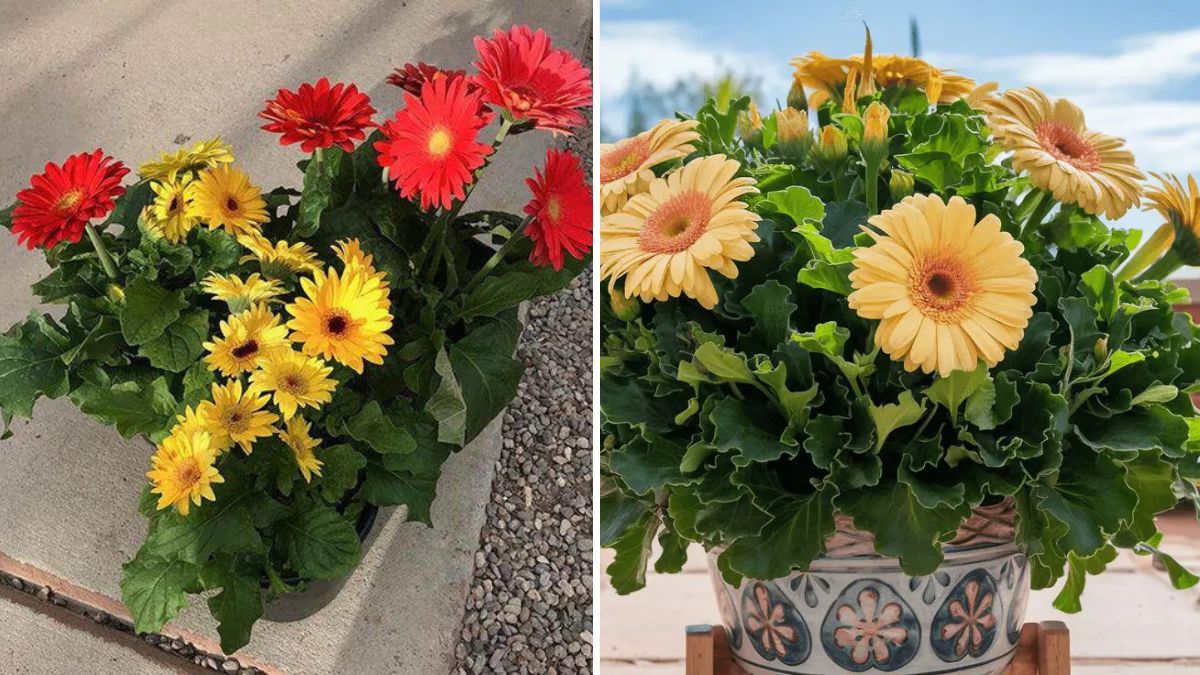
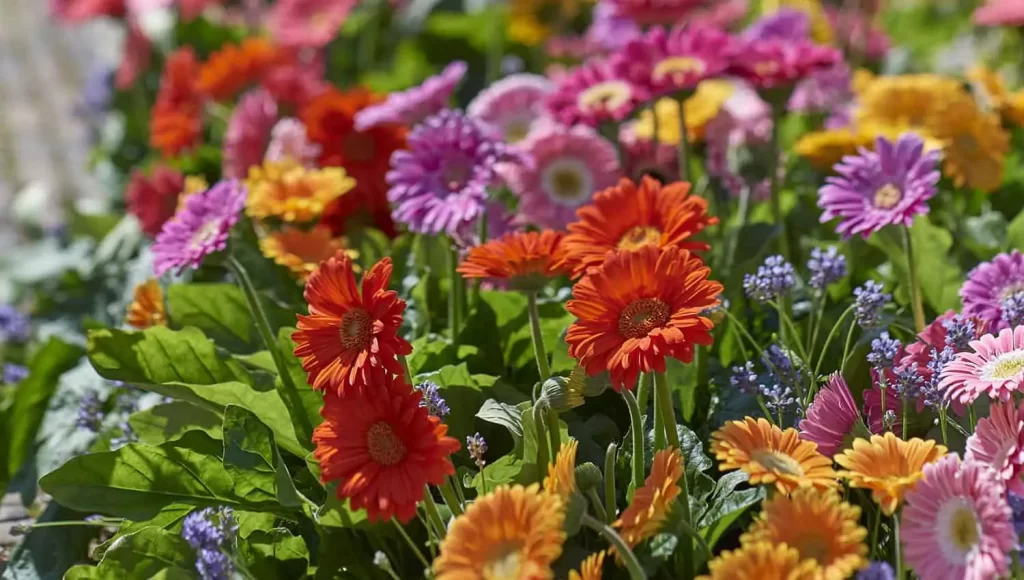
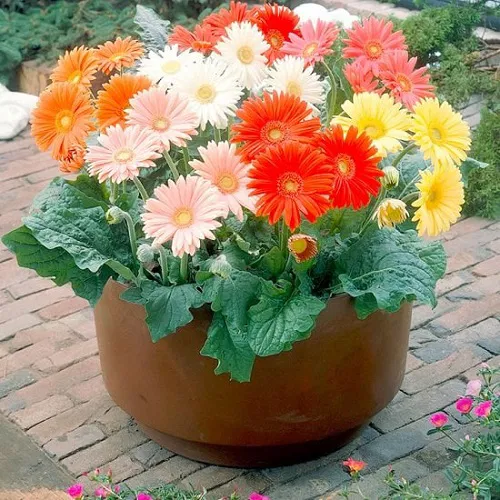
Gerbera daisies are one of the most vibrant and popular flowers, known for their bright, cheerful blooms that come in a wide range of colors like red, pink, orange, yellow, and white. Growing gerbera from seeds is an affordable way to cultivate these stunning flowers at home without spending a fortune on seedlings or plants. In this guide, you will learn everything you need to know to grow gerbera from seeds for free, from sowing to full bloom.
Why Grow Gerbera from Seeds?
Growing gerbera from seeds has several advantages:
- Cost-Free: Using seeds instead of buying seedlings or mature plants saves money.
- Variety Selection: You can grow different colors and types that may not be available in local nurseries.
- Satisfaction: Watching gerbera grow from tiny seeds to beautiful blooms is highly rewarding.
- Educational: Perfect for beginners and gardening enthusiasts to learn plant growth cycles.
Step 1: Materials Needed
To grow gerbera from seeds, you will need a few basic materials, most of which can be sourced for free or easily found at home:
- Gerbera Seeds: Save seeds from previous flowers or ask local gardeners for extras.
- Seed Tray or Small Pots: Reuse containers like yogurt cups, egg cartons, or any small pots with drainage holes.
- Seed-Starting Medium: Use a mix of sand, garden soil, and compost. Avoid heavy soil.
- Watering Can or Spray Bottle: For gentle watering.
- Clear Plastic Cover or Plastic Bag: To maintain humidity for germination.
- Sunlight or Grow Light: Gerbera seeds need bright, indirect light for growth.
Pro Tip: Using recycled materials not only reduces costs but also promotes eco-friendly gardening.
Step 2: Preparing the Seed-Starting Medium
The right medium is crucial for germination:
- Mix Ingredients: Combine equal parts sand, garden soil, and compost to create a light, airy mixture.
- Moisture: Moisten the soil slightly; it should be damp but not soggy.
- Fill Containers: Fill trays or pots with the seed-starting mix. Level the surface gently.
Pro Tip: Good drainage is key. Excess water can cause seeds to rot before germination.
Step 3: Sowing Gerbera Seeds
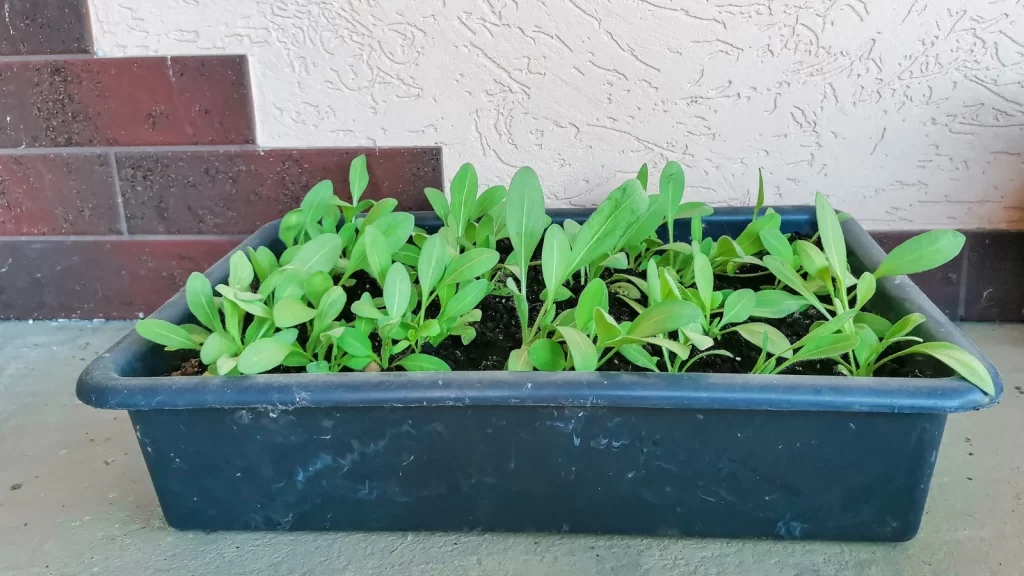
- Sow Seeds on the Surface: Gerbera seeds are very small and need light to germinate. Do not bury them.
- Spacing: Space seeds at least 1–2 inches apart to prevent crowding.
- Mist Gently: Use a spray bottle to moisten seeds without washing them away.
- Cover: Use a clear plastic lid or bag to maintain humidity.
Pro Tip: Label the containers with the date and variety to keep track of germination progress.
Step 4: Germination and Early Care
Gerbera seeds can take 2–3 weeks to germinate if conditions are optimal:
- Temperature: Keep seeds at 70–75°F (21–24°C) for best results.
- Light: Place containers in bright, indirect sunlight or under grow lights for 12–14 hours daily.
- Watering: Mist daily to maintain consistent moisture. Avoid overwatering.
Pro Tip: Avoid direct sunlight on young seedlings, as it can dry out the soil and damage tender sprouts.
Step 5: Transplanting Seedlings

Once seedlings develop 2–3 true leaves, they are ready for transplanting:
- Choose Pots or Garden Bed: Reuse larger containers or select a garden spot with well-drained soil.
- Harden Off Seedlings: Gradually introduce them to outdoor conditions for 5–7 days.
- Transplant Carefully: Lift seedlings gently and plant them at the same depth as in the seed tray.
- Spacing: Space plants 12–15 inches apart to allow healthy growth.
Pro Tip: Avoid disturbing the roots too much during transplanting to prevent transplant shock.
Step 6: Caring for Gerbera Plants
Gerbera daisies require proper care to thrive and bloom beautifully:
- Sunlight: They prefer full sun to partial shade. Around 4–6 hours of sunlight is ideal.
- Watering: Water the soil at the base, avoiding wetting the leaves. Water deeply once the top inch of soil is dry.
- Soil: Use well-drained, sandy soil enriched with compost or organic matter.
- Fertilization: Use balanced, water-soluble fertilizer every 2–3 weeks during active growth.
- Mulching: Apply mulch around the base to retain moisture and suppress weeds.
Pro Tip: Remove dead leaves and spent flowers regularly to encourage continuous blooming.
Step 7: Pests and Diseases
Gerbera daisies are generally hardy but can face some common problems:
- Aphids and Mealybugs: Spray with neem oil or mild soapy water to control infestations.
- Powdery Mildew: Avoid wetting leaves; ensure proper spacing for airflow.
- Root Rot: Caused by waterlogged soil. Ensure good drainage and avoid overwatering.
- Slugs and Snails: Use natural repellents or barriers to protect seedlings.
Pro Tip: Early detection and regular inspection prevent most pest or disease problems.
Step 8: Flowering and Harvesting
- Gerbera daisies typically bloom 3–4 months after sowing if grown from seeds.
- Flowers last 7–10 days, making them ideal for vases or garden display.
- Cut flowers in the morning when the blooms are fresh, using clean scissors.
Pro Tip: Rotate flowers regularly to encourage more blooms. Deadhead spent flowers to promote new growth.
Step 9: Propagation for Free
Once your gerbera plants are established, you can propagate them for free:
- Division: Mature plants can be divided every 2–3 years to produce new plants.
- Seed Saving: Allow some flowers to go to seed. Collect seeds for the next planting season.
- Offsets: Gerbera plants sometimes produce offsets, which can be separated and replanted.
Pro Tip: Propagating from seeds or offsets ensures a continuous supply of gerbera daisies at no extra cost.
Benefits of Growing Gerbera at Home
- Cost-Free Gardening: Growing from saved seeds eliminates the need to buy seedlings.
- Beautiful Blooms: Bright, colorful flowers enhance any garden or indoor space.
- Air Purifying: Gerbera daisies help improve indoor air quality by removing toxins.
- Therapeutic Hobby: Gardening reduces stress and provides a sense of achievement.
Common Mistakes to Avoid
- Overwatering Seeds: Can cause rot and fungal growth.
- Poor Soil Drainage: Leads to root diseases.
- Crowding Seedlings: Can stunt growth and reduce airflow.
- Neglecting Sunlight: Insufficient light delays germination and growth.
- Ignoring Pests: Early control prevents major infestations.
Conclusion
Growing gerbera daisies from seeds is a rewarding and cost-effective way to add vibrant color to your home or garden. By following the steps of preparing soil, sowing seeds, caring for seedlings, transplanting, and maintaining healthy plants, you can enjoy stunning blooms for free.
With patience, care, and a bit of creativity using recycled materials, you can cultivate healthy gerbera plants from seeds without spending a single penny. Start today and experience the joy of nurturing these beautiful flowers from seed to full bloom, brightening your home and garden naturally.