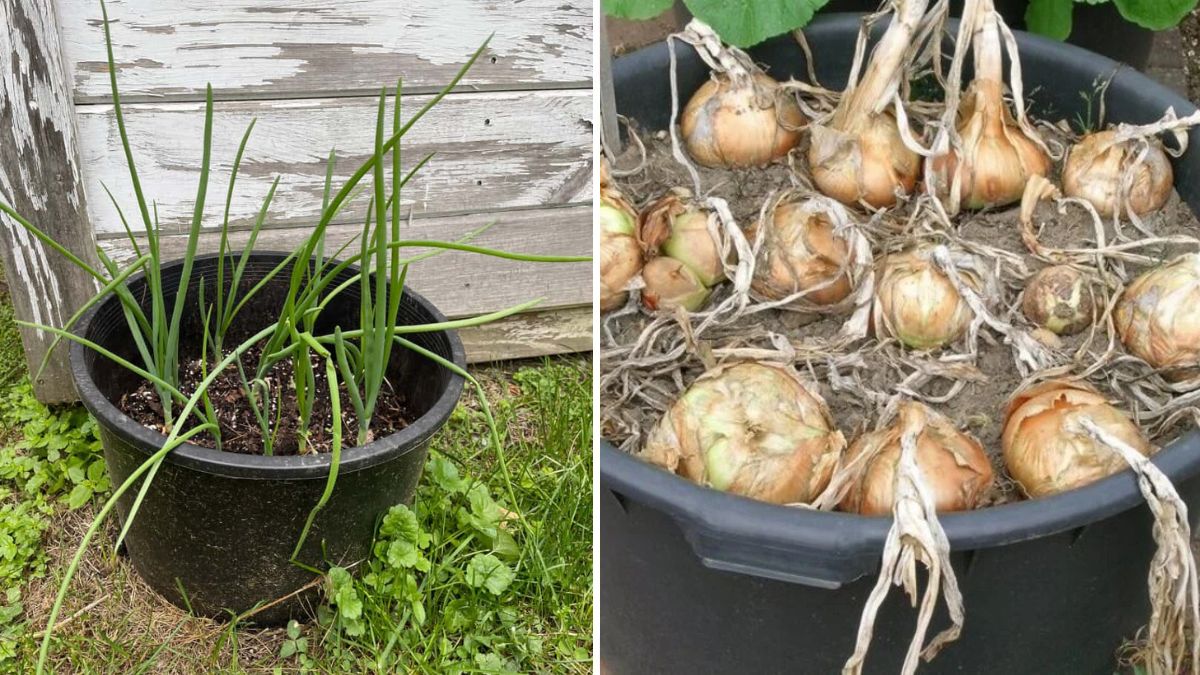
Onions are one of the most versatile and widely used vegetables in kitchens worldwide. They are easy to grow at home, nutritious, and add incredible flavor to any dish. Whether you have a garden bed, a balcony, or small containers, onions can thrive with proper care and attention. This guide will walk you through growing onions at home from start to finish, from planting seeds or sets to harvesting and storing your homegrown onions.
Why Grow Onions at Home?
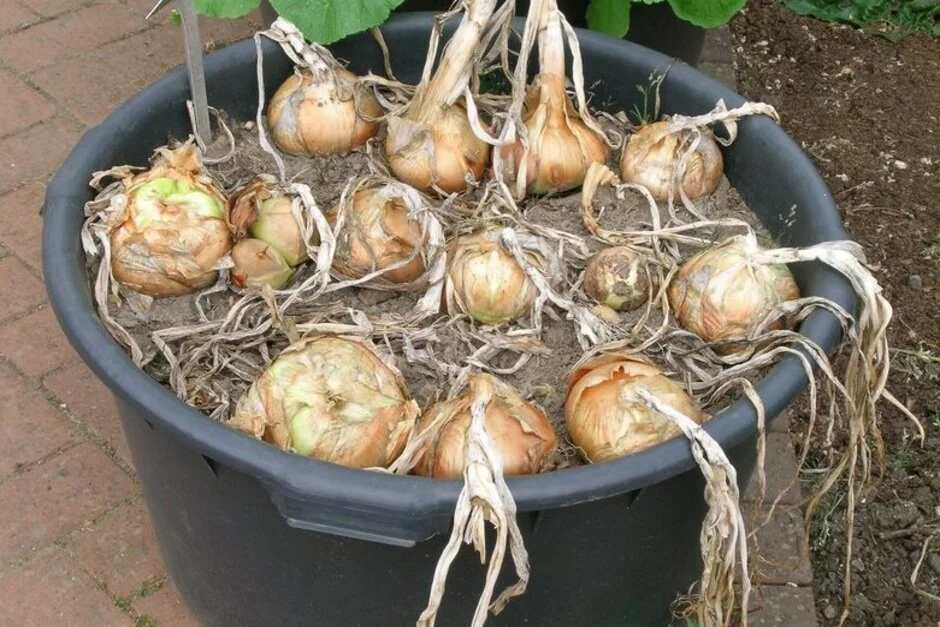
Growing onions at home comes with many advantages:
- Freshness: Homegrown onions are far more flavorful and aromatic than store-bought ones.
- Nutritional Value: Onions are rich in vitamins C, B6, potassium, and antioxidants.
- Cost-Effective: Growing your own onions saves money and reduces dependency on store-bought produce.
- Satisfaction: Watching onions grow from seeds or sets into mature bulbs is a rewarding experience.
With patience and proper care, you can enjoy fresh, homegrown onions year-round.
Step 1: Choosing the Right Onion Type
There are three main types of onions suitable for home gardening:
- Seeds: Starting onions from seeds gives you a wide variety of choices. However, it takes longer (3–4 months) for onions to mature.
- Sets: Small, immature onion bulbs that grow quickly and are easier for beginners. They usually mature in 2–3 months.
- Transplants: Young seedlings grown from seeds that are then planted in the garden. They provide a good balance between speed and variety.
Choose the type based on your growing time, space, and convenience.
Step 2: Selecting the Planting Site
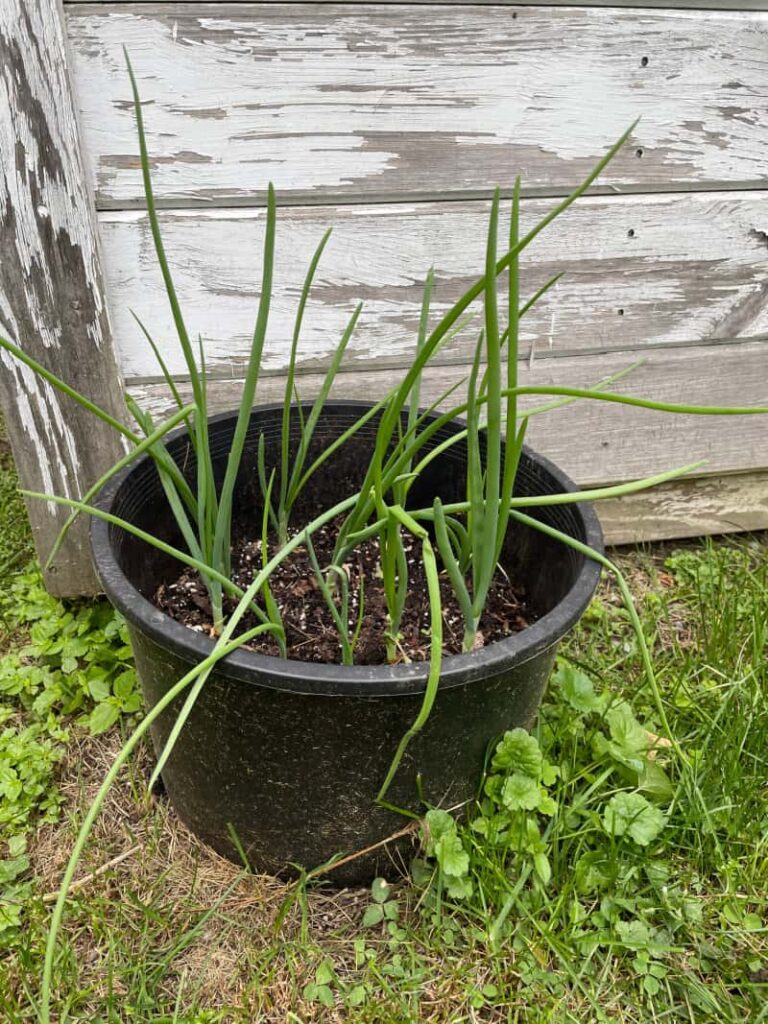
Onions thrive in well-draining, fertile soil with plenty of sunlight.
- Sunlight: Onions require at least 6–8 hours of direct sunlight daily.
- Soil: Loamy or sandy soil with good drainage works best. Avoid heavy clay soil, which can rot the bulbs.
- pH Level: Slightly acidic to neutral soil (pH 6–7) is ideal.
Pro Tip: Raised beds or containers can be used if garden space is limited, as they improve drainage and soil control.
Step 3: Preparing the Soil
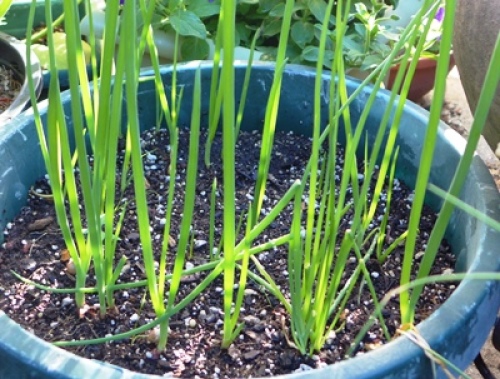
Healthy soil is key to growing strong onion bulbs:
- Remove weeds, rocks, and debris from the planting area.
- Add compost or well-rotted manure to enrich the soil with nutrients.
- Mix in balanced organic fertilizer or 10-10-10 NPK for best growth.
Pro Tip: Onions grow better in loose soil that allows the bulbs to expand without restriction.
Step 4: Planting Onions
From Seeds:
- Sow seeds ¼ inch deep and ½ inch apart in rows 12 inches apart.
- Keep the soil consistently moist for proper germination.
- Thin seedlings to 3–4 inches apart once they are 2–3 inches tall.
From Sets:
- Plant onion sets 1–2 inches deep with the pointed tip facing upward.
- Space sets 4–6 inches apart in rows 12 inches apart.
- Water lightly after planting to settle the soil.
From Transplants:
- Dig holes slightly larger than the root ball.
- Plant seedlings at the same depth as they were in their trays.
- Space plants 4–6 inches apart to allow bulb growth.
Step 5: Watering and Fertilizing
Onions require consistent moisture for optimal growth, especially during the early stages:
- Water 1–2 times per week depending on soil and climate.
- Avoid overwatering, which can lead to rot and fungal diseases.
- Fertilize every 3–4 weeks with a nitrogen-rich fertilizer during early growth for leafy development. Switch to phosphorus and potassium-rich fertilizer as bulbs start forming.
Pro Tip: Mulching with straw or dry leaves helps retain soil moisture, regulate temperature, and control weeds.
Step 6: Caring for Onions
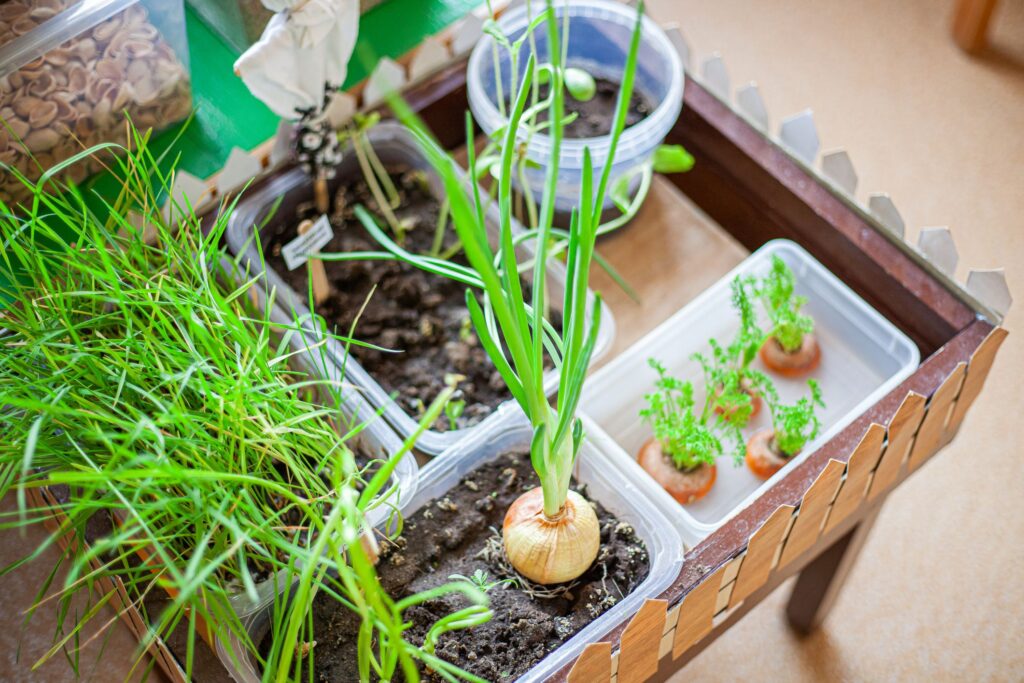
Proper care ensures healthy, strong bulbs:
- Weeding: Remove weeds regularly to reduce competition for nutrients and water.
- Thinning: Keep proper spacing to allow bulbs to develop fully.
- Sunlight Exposure: Ensure all plants receive enough sunlight for strong growth.
- Pest Control: Keep an eye out for onion flies, thrips, and aphids. Use neem oil, garlic spray, or insecticidal soap for organic pest control.
- Disease Prevention: Prevent fungal infections like downy mildew and pink root by ensuring good air circulation and avoiding waterlogging.
Step 7: Bulb Formation and Maturation
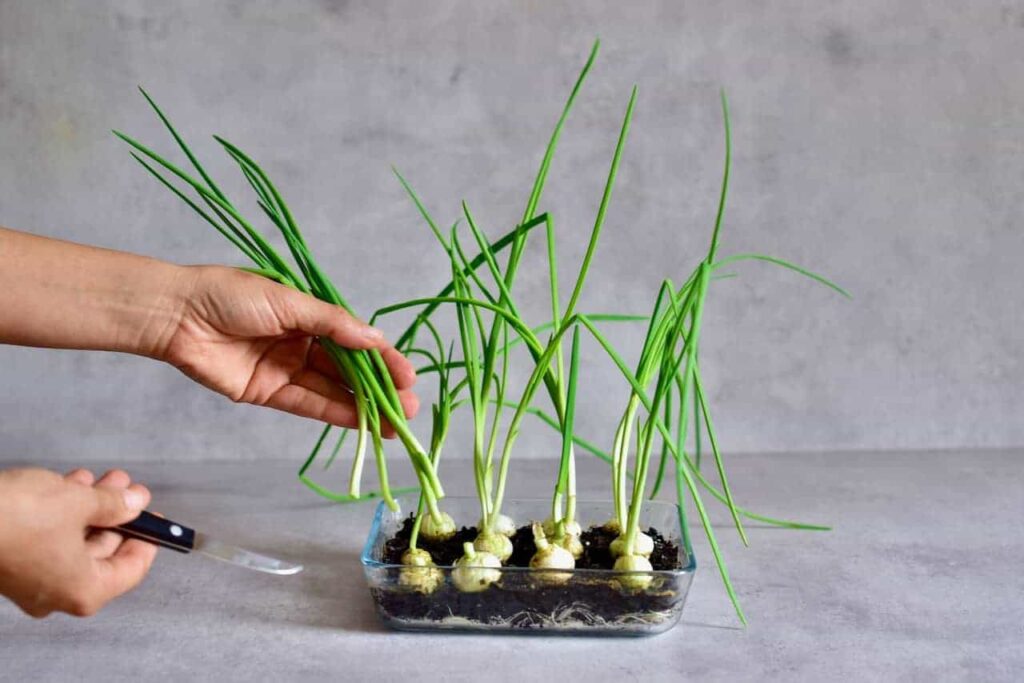
- Onions form bulbs as the day length changes, typically requiring 90–120 days from planting.
- When the tops begin to yellow and fall over, it’s a sign that bulbs are maturing.
- Avoid harvesting too early, as immature bulbs do not store well.
Pro Tip: Stop fertilizing once bulb formation begins to avoid excessive leafy growth at the expense of bulb size.
Step 8: Harvesting Onions
- Gently loosen the soil around onions using a fork or trowel.
- Pull the bulbs carefully to avoid bruising.
- Leave onions to dry in the sun for a few days to cure. This helps the outer skin harden and improves storage life.
Pro Tip: Harvest on a dry day to reduce the risk of fungal infections during curing.
Step 9: Storing Onions
Proper storage ensures your onions last for months:
- Cool, Dry Place: Store cured onions in a ventilated, dry area away from direct sunlight.
- Avoid Moisture: Keep onions away from plastic bags or damp containers.
- Long-Term Storage: Braiding tops or using mesh bags improves airflow and prolongs shelf life.
Pro Tip: Do not store onions near potatoes, as they release moisture that can cause onions to spoil quickly.
Tips for Growing Onions Successfully
- Start with Sets: For beginners, onion sets are easier and faster to grow than seeds.
- Provide Full Sunlight: Onions need at least 6 hours of sunlight daily for proper bulb formation.
- Maintain Consistent Moisture: Avoid overwatering, but keep soil evenly moist.
- Regular Fertilization: Adjust fertilizer based on growth stage—nitrogen for leaves, phosphorus and potassium for bulbs.
- Mulching: Retains soil moisture and suppresses weeds effectively.
- Patience: Onions take time to mature; proper care ensures high-quality bulbs.
Benefits of Growing Onions at Home
- Fresh and Organic: Avoid pesticides and chemicals found in store-bought onions.
- Nutritious: Onions boost immunity, improve heart health, and have anti-inflammatory properties.
- Cost-Effective: Growing onions reduces grocery expenses.
- Satisfying Hobby: Gardening helps relieve stress and enhances mental well-being.
Conclusion
Growing onions at home is simple, rewarding, and cost-effective. By following the steps from choosing seeds or sets, preparing soil, planting, watering, fertilizing, and harvesting, anyone can enjoy fresh, homegrown onions.
With proper sunlight, soil preparation, pest management, and patience, your onions will thrive and produce healthy, flavorful bulbs that can be used in countless recipes. Onions are perfect for beginners and experienced gardeners alike, making them a staple for any home garden.
Start planting onions today and enjoy the satisfaction of growing this essential kitchen vegetable from start to finish, right at home.