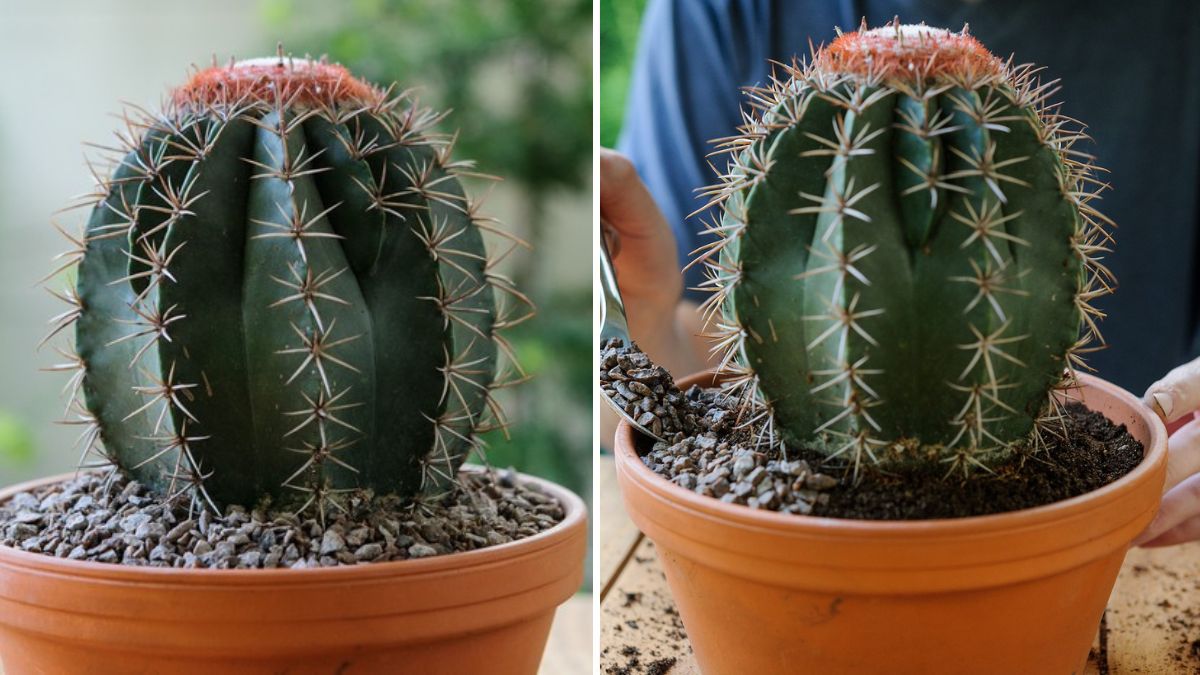
Cactus plants are some of the most fascinating and low-maintenance houseplants you can grow. They come in thousands of shapes, sizes, and colors—round, columnar, ribbed, thorny, or even spineless. While growing cactus from cuttings or pups is very common, producing cactus seeds at home is an exciting, rewarding, and highly educational process.
Many plant enthusiasts buy cactus seeds online, but did you know you can easily make your own fresh cactus seeds at home through hand pollination? Better yet, you can even create unique hybrid varieties that don’t exist in nature!
This detailed 1200-word guide will teach you step-by-step how to pollinate cactus flowers, collect seeds, dry them properly, and store them for future use. Whether you have blooming Mammillaria, Gymnocalycium, Opuntia, or Echinopsis, this guide covers everything you need.
🌵 1. Understanding How Cactus Flowers Produce Seeds
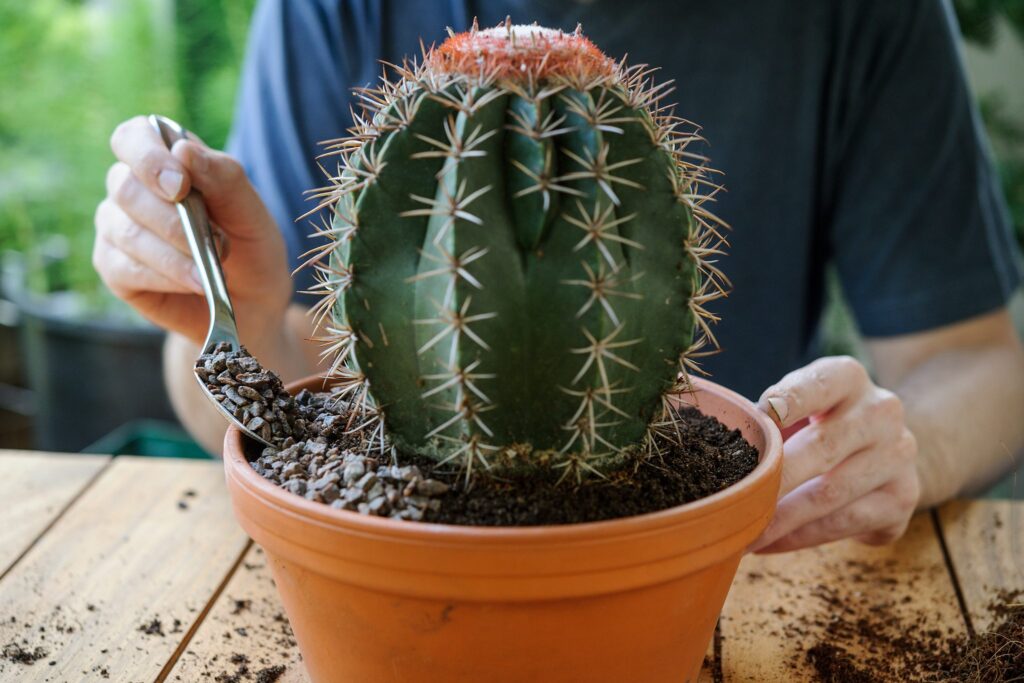
Before we begin, it’s important to understand cactus reproduction:
A cactus flower contains:
- Stamen → Produces pollen (male part)
- Stigma → Receives pollen (female part)
- Ovary → Converts the pollinated flower into fruit filled with seeds
Most cactus varieties need either:
✔ Self-pollination (pollen from same flower)
✔ Cross-pollination (pollen from another cactus of the same species)
Some cactus plants cannot self-pollinate, and hand pollination becomes essential.
🌵 2. When Do Cactus Plants Bloom?
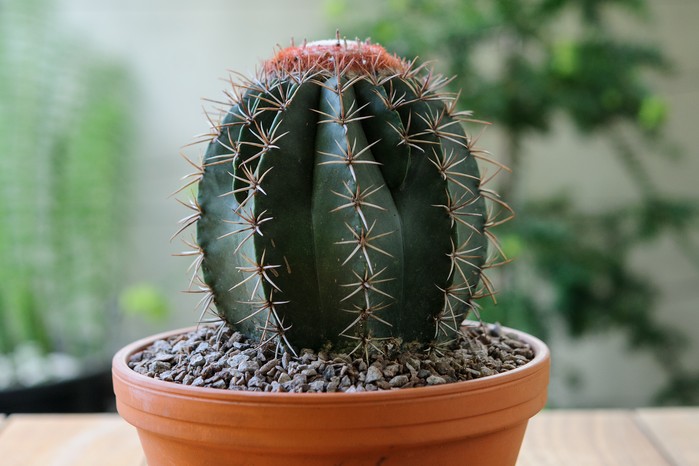
Different cactus species bloom at different times.
Common Bloom Periods:
- Echinopsis → Summer
- Gymnocalycium → Late spring to monsoon
- Mammillaria → All year depending on care
- Opuntia (Prickly Pear) → Hot summer
- Christmas Cactus → Winter
Important Note:
Most cactus flowers bloom for only 1 day or one night, so timing is everything!
🌵 3. Things You Need for Hand Pollination
You will need:
- A soft, clean paintbrush or cotton bud
- A small cup or container
- Tweezers (optional)
- Sticky notes to label plants
- A magnifying glass (optional but helpful)
Make sure all tools are clean to avoid contamination.
🌵 4. Step-by-Step Hand Pollination Method
Hand pollination is simple but must be done with precision. Follow these steps:
🌼 Step 1: Identify a Fresh and Open Flower
A flower ready for pollination will:
✔ Fully open
✔ Look bright, fresh, and hydrated
✔ Have visible pollen on the anthers
Pollination should be done in the morning or early evening.
🌼 Step 2: Collect the Pollen
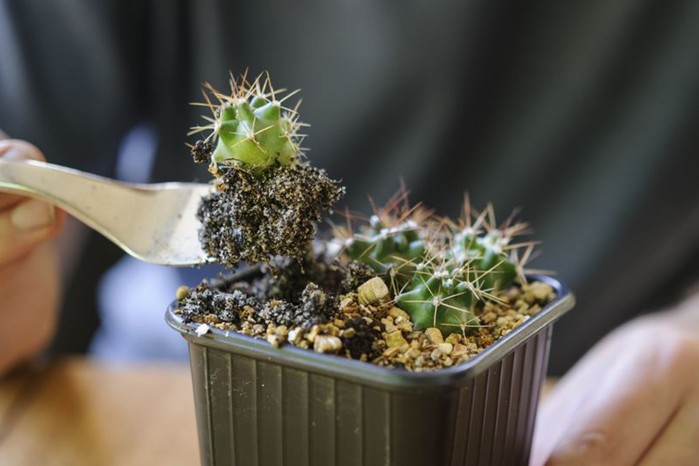
- Take your brush or cotton swab.
- Gently touch the anthers (yellow parts) inside the flower.
- You will see fine yellow dust — this is pollen.
- Collect enough pollen on the brush.
If the pollen seems sticky or clumpy, the flower is at the perfect maturity stage.
🌼 Step 3: Apply Pollen to the Stigma
- Locate the central part of the flower — the stigma.
- It often looks like:
- A round sticky dot
- Or star-shaped structure
- Or a white/yellow cluster
- Gently dab your brush full of pollen onto the stigma.
- Make sure pollen sticks properly.
This is the moment where fertilization begins.
🌼 Step 4: Cross Pollination (Optional but Better)
If you have two cacti of the same species, cross-pollinate them:
- Take pollen from cactus A → apply to cactus B
- Take pollen from cactus B → apply to cactus A
Benefits:
✔ Higher success rate
✔ Stronger seeds
✔ Possibility of hybrids
🌼 Step 5: Tag the Pollinated Flower
Use a tag or sticky note to mark:
- Date
- Parent names (if hybrid)
- Type of pollination (self or cross)
This helps track seed development.
🌵 5. What Happens After Successful Pollination?
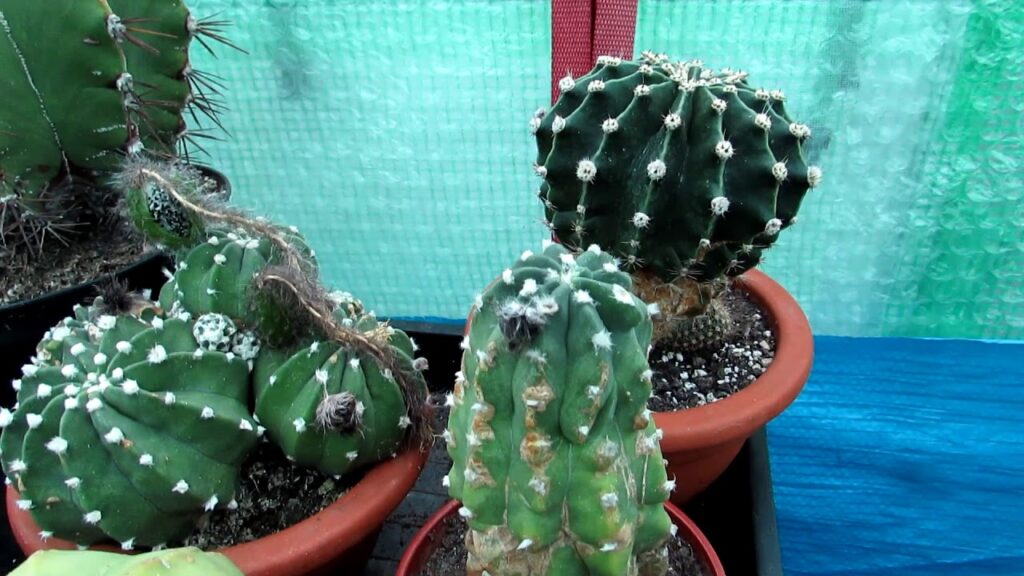
If pollination is successful:
- Flower will not dry immediately
- Over days/weeks, the base of the flower swells
- A fruit (berry-like structure) forms
- Color may turn green, red, purple, or yellow depending on species
This fruit contains your cactus seeds.
Fruit maturation time:
✔ 30–90 days depending on species
🌵 6. Harvesting Cactus Seeds
Once the fruit becomes soft and colored, it’s time to harvest.
How to Harvest:
- Gently twist the fruit—if it comes off easily, it’s ripe.
- Cut open the fruit with a knife.
- Scoop out the seeds (they look like tiny black or brown dots).
- Rinse seeds in clean water to remove sticky pulp.
- Spread them on a tissue or plate.
🌵 7. Drying Seeds Properly
Seeds must be dried to prevent fungus.
Drying Method:
- Spread seeds in a single layer
- Keep in shade, never in direct sunlight
- Let dry for 24–48 hours
- Shake occasionally to prevent clumping
When seeds feel hard and non-sticky, they are ready.
🌵 8. Storing Cactus Seeds
Proper storage increases seed life.
Storage Tips:
✔ Use airtight glass jars or ziplock bags
✔ Add silica gel packet to reduce moisture
✔ Label with species & date
✔ Store in cool, dark place
Cactus seeds can remain viable for 5–15 years if stored correctly.
🌵 9. Germinating Your Home-Made Cactus Seeds
Once you have seeds, you can grow new cactus plants!
Simple Germination Method:
- Prepare seed tray with:
- 50% cocopeat
- 30% sand
- 20% compost
- Sprinkle seeds on top—do not bury deeply.
- Spray water lightly.
- Cover tray with plastic wrap or clear lid.
- Keep in bright indirect light.
Germination Time:
- 7–30 days in warm conditions
- Temperature: 20–30°C
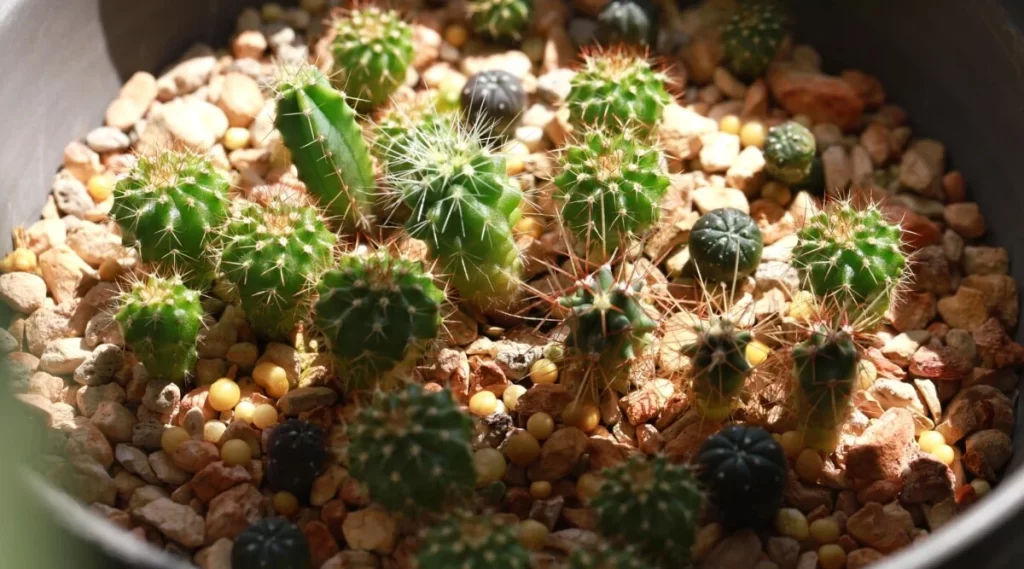
Young cactus seedlings look like tiny green balls!
🌵 10. Common Reasons Pollination Fails
❌ Flower dried too quickly
❌ No pollen transfer
❌ Wrong timing
❌ Pollination done after rainfall
❌ Weak or immature plant
❌ Hybrid species incompatibility
❌ Pest attack on flowers
Don’t worry—cactus blooming gives multiple chances every season.
🌵 11. Tips to Increase Pollination Success
✔ Perform pollination early morning
✔ Use fresh, dry pollen
✔ Keep plant healthy and well-fed
✔ Give 6–8 hours of sunlight daily
✔ Use phosphorus-rich fertilizer before blooming
✔ Protect flowers from rain and insects
✔ Cross-pollinate for stronger seed production
🌵 12. Advantages of Making Cactus Seeds at Home
Growing cactus from your own seeds gives you:
✔ Cost-free propagation
✔ Satisfaction of growing from scratch
✔ Unique hybrid varieties
✔ Better adaptation to your climate
✔ Healthier, disease-resistant plants
✔ Potential to grow hundreds of new cacti
It’s an amazing experience for beginners and experts alike.
🌵 Conclusion
Learning how to make cactus seeds at home through hand pollination is an incredibly rewarding gardening skill. Once you understand flower anatomy, pollination timing, and seed-collection techniques, the entire process becomes simple and enjoyable. Whether you’re growing seeds for fun, propagation, or to create your own hybrid cactus varieties, the journey is full of excitement and surprises.
With patience and the steps provided in this guide, you can easily produce fresh, strong, and viable cactus seeds right from your home garden.