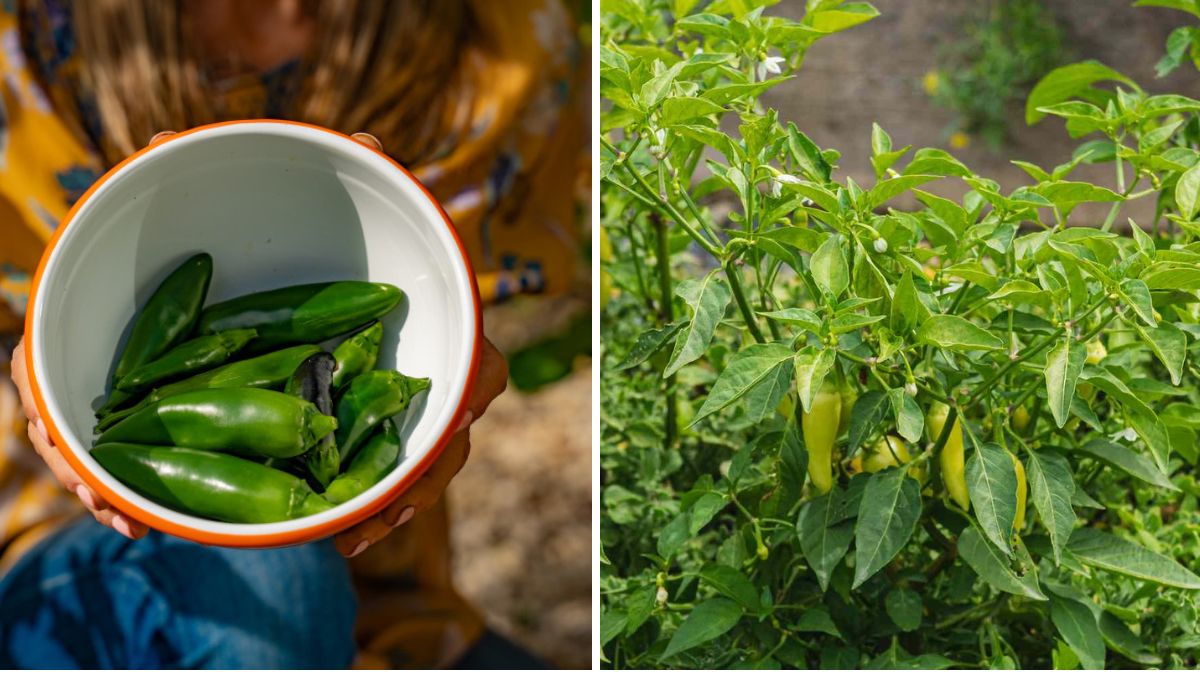
Jalapeño peppers are one of the most popular chili varieties grown worldwide—and for good reason. They’re flavorful, moderately spicy, extremely productive, and surprisingly easy to grow, even for beginners. Whether you want to spice up your recipes, make homemade pickles, or simply enjoy the beauty of pepper plants, growing jalapeños at home is a rewarding experience from start to finish.
This detailed, beginner-friendly guide will walk you through every stage of growing jalapeño peppers—from seed to harvest—with practical steps, clear timelines, and tips to ensure you get a bountiful harvest of fresh, crunchy, and spicy jalapeños.
Let’s get started!
Why Grow Jalapeño Peppers at Home?
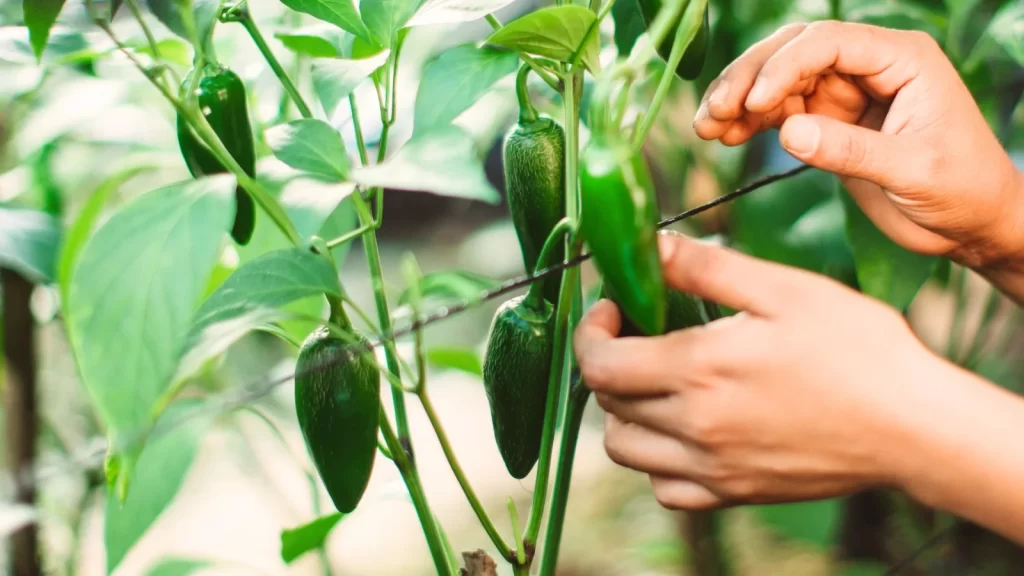
You may wonder: Why grow jalapeños when you can buy them easily?
Here’s why homegrown is always better.
✔ More Flavorful
Freshly picked jalapeños taste richer and crunchier.
✔ Extremely Productive
One plant can produce 30–40 peppers in a single season.
✔ Perfect for Containers
Grow them on balconies, patios, or sunny windows.
✔ Easy for Beginners
Jalapeños tolerate heat, sun, and slight neglect.
✔ Versatile in the Kitchen
Use them for salsa, pickles, stuffing, grilling, and more.
If you enjoy spicy or savory cooking, growing jalapeños is a must.
Understanding Jalapeño Plants
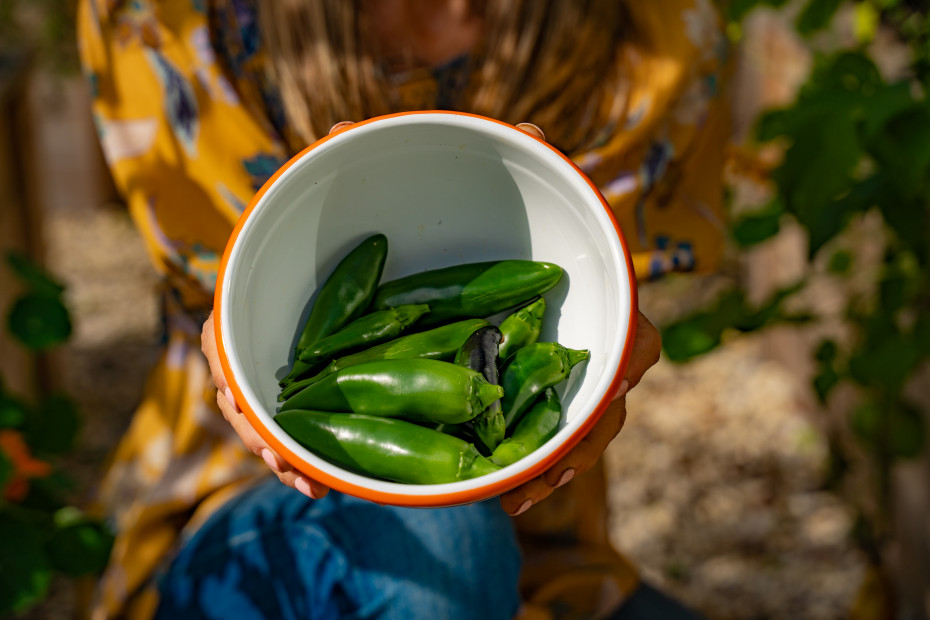
Before planting, it helps to know a little about how these peppers grow.
Plant Type:
Warm-season vegetable (technically a fruit)
Growing Duration:
70–90 days from transplanting to harvest
Size:
2–3 feet tall (compact and bushy)
Sunlight Needs:
6–8 hours of direct sunlight daily
Temperature Range:
20–35°C (68–95°F)
With proper care, jalapeños thrive in both garden beds and containers.
What You Need to Start Growing Jalapeños
Growing peppers doesn’t require much equipment. Here’s your essential list:
- High-quality jalapeño seeds
- Seed-starting tray or small pots
- Potting mix (light, well-draining)
- Compost or organic fertilizer
- 1-gallon pots or grow bags (for transplanting)
- Sunny location or grow lights
- Watering can or spray bottle
Once you have these ready, it’s time to begin your jalapeño journey.
Step-by-Step Guide: Jalapeños from Seed to Harvest
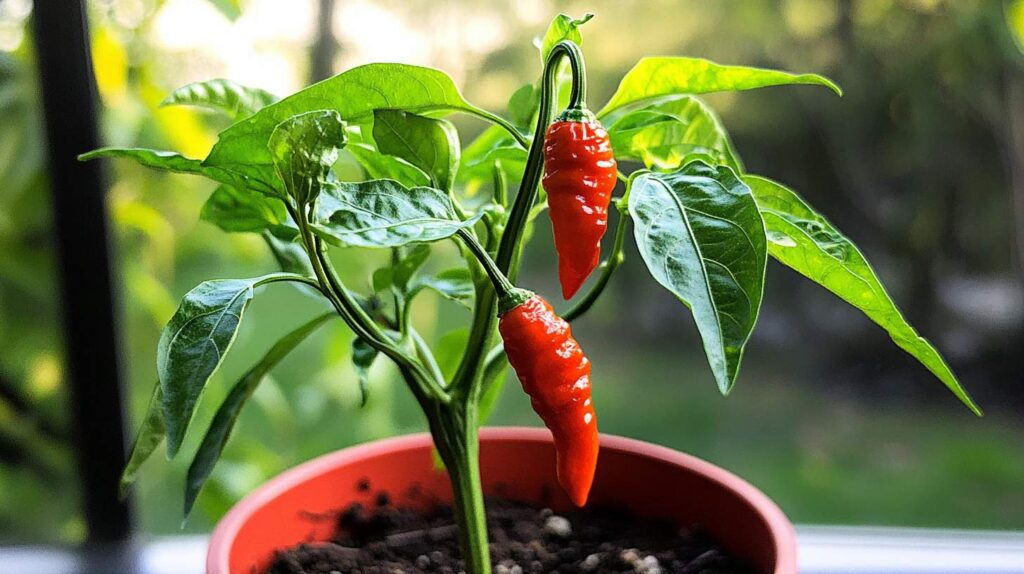
We’ll walk through the complete process in simple steps.
1. Starting Jalapeño Seeds (Days 1–14)
Since peppers love warmth, start seeds indoors or in a warm area.
How to Prepare the Soil
Use a seed-starting mix made of:
- Cocopeat
- Perlite
- Vermicompost
This ensures quick germination.
Sowing Steps
- Fill your seed tray with the soil mix.
- Plant seeds ¼ inch deep.
- Water lightly with a spray bottle.
- Cover with plastic wrap or a humidity dome (optional).
- Place in a warm location (25–30°C / 77–86°F).
Germination Time
Seeds sprout in 7–14 days.
Keep the soil moist, not soggy, during this phase.
2. Seedling Stage (Days 14–30)
Once seedlings develop 2–3 sets of true leaves, they’re ready for more sunlight.
Lighting Tips
- Provide 6–8 hours of sunlight
- If indoors, use a grow light (12–14 hours daily)
Watering
Water gently when the top layer of soil feels dry.
Strengthening Seedlings
You can expose seedlings to mild outdoor conditions for a few hours daily (hardening off).
This prepares them for transplanting.
3. Transplanting Jalapeños (Days 30–40)
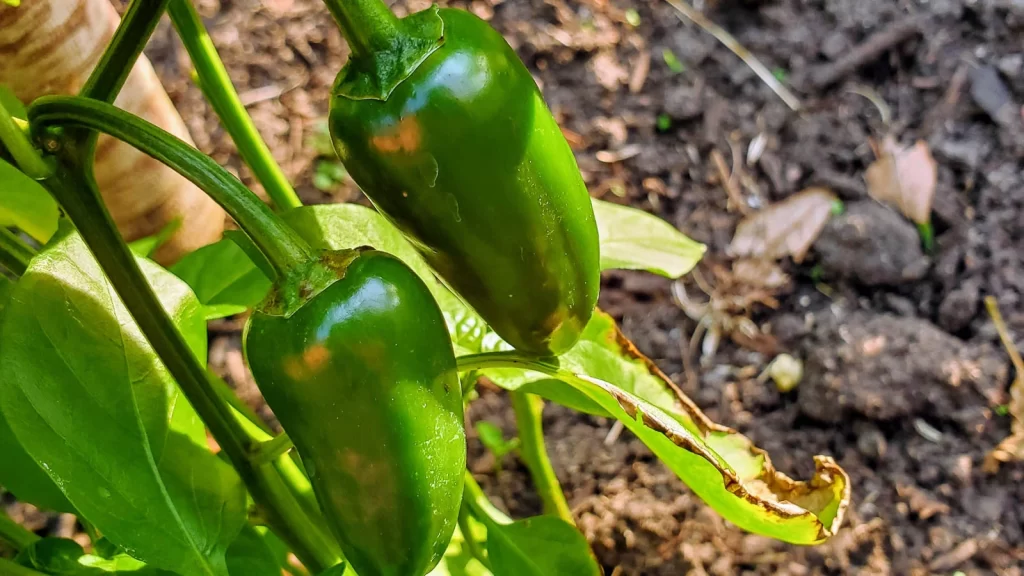
When seedlings are 6–8 inches tall, it’s time to transplant.
Best Container Size
- 1–2 gallon pot for one plant
- 10–12 inch grow bag
- Optional: Plant directly into the ground
Soil Mix for Transplanting
- 50% potting soil
- 30% compost
- 20% cocopeat or sand
Transplant Process
- Remove seedlings gently from the tray.
- Plant deeper than the original soil line for stronger stems.
- Water thoroughly after planting.
- Place the pot in full sunlight.
Avoid transplanting in the afternoon heat—early morning or evening is best.
Caring for Jalapeño Plants
This is where your plants begin to grow taller, stronger, and bushier.
1. Sunlight Requirement
Jalapeños love direct sunlight.
- 6–8 hours minimum
- Place pots in sunniest location
If indoors, grow lights are essential.
2. Watering the Plants
Peppers prefer evenly moist soil.
Tips:
- Water deeply every 2–3 days
- Avoid overwatering
- Let the top inch of soil dry before watering again
Overwatering can cause root rot and yellow leaves.
3. Fertilizing Schedule
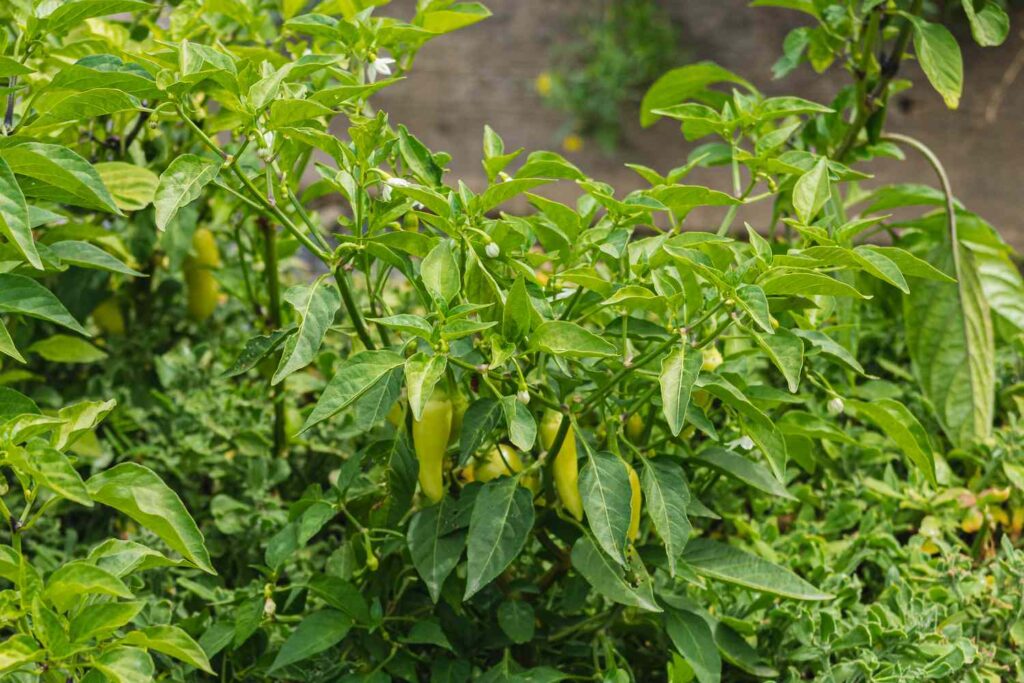
Feed your jalapeños every 15–20 days.
Best fertilizers:
- Compost
- Fish emulsion
- Seaweed liquid fertilizer
- Balanced NPK (5-10-10 or 10-10-10)
Avoid high nitrogen—this causes more leaves and fewer peppers.
4. Pruning for Better Growth
Pruning is optional but helps produce more peppers.
When to prune:
When the plant reaches 10–12 inches in height.
How to prune:
- Remove the first “Y” branch
- Trim lower leaves
- Remove small suckers
This boosts branching and flowering.
Flowering Stage (Days 45–70)
Around day 45, small white flowers appear. Each flower has the potential to become a jalapeño pepper.
Promote More Flowering
- Provide bright sunlight
- Keep watering consistent
- Use high-potassium fertilizer
- Avoid overhead watering
Fruit Formation and Growth (Days 60–90)
Flowers begin turning into small green peppers.
Tips for Faster Fruit Growth
- Support plants with stakes
- Remove yellow leaves
- Do not allow the soil to dry completely
- Avoid water splashing on leaves
Within a few weeks, the jalapeños will reach full size.
Harvesting Jalapeño Peppers
Here comes the exciting part!
When to Harvest
You can harvest jalapeños at different stages:
Green Jalapeños (Mild to Medium Spice)
- Ready at 2–3 inches long
- Firm and shiny
- Usually around 70–80 days
Red Jalapeños (Hotter & Sweeter)
- Fully ripe, vibrant red color
- Spicier due to increased capsaicin
- More flavorful
How to Harvest Correctly
- Use scissors or pruning shears
- Do not pull the pepper—it may damage the plant
Once harvesting begins, jalapeños continue to produce more peppers for months.
Common Problems & Solutions
Even beginners can handle jalapeño problems with ease.
1. Yellow Leaves
Cause: Overwatering
Fix: Water less and improve drainage.
2. Dropping Flowers
Cause: Heat stress or lack of pollination
Fix:
- Provide afternoon shade
- Gently shake branches to help pollination
3. Small Peppers
Cause: Poor sunlight or low nutrients
Fix:
- Increase sunlight exposure
- Use potassium-rich fertilizer
4. Pests (Aphids, Spider Mites)
Fix:
- Spray with neem oil
- Keep plants clean and dust-free
Tips for 100% Jalapeño Growing Success
⭐ Start seeds indoors for best germination
⭐ Use well-draining soil
⭐ Keep plants in full sunlight
⭐ Water deeply, not frequently
⭐ Pinch early flowers for stronger plants
⭐ Harvest regularly to encourage more peppers
Follow these and your jalapeño plants will reward you with continuous, spicy harvests.
Final Thoughts: Your Jalapeño Journey Begins Now
Growing jalapeño peppers at home is one of the easiest and most satisfying gardening projects for beginners. Starting from tiny seeds and watching them transform into tall, productive plants full of vibrant peppers is truly rewarding. With proper care—sunlight, watering, and occasional feeding—you can enjoy fresh, homegrown jalapeños all season long.
Whether you’re gardening for fun, flavor, or a limitless supply of spicy peppers, this seed-to-harvest guide will help you achieve outstanding results. Start today, and in just a few weeks, your home will be filled with crisp, flavorful jalapeños ready to star in your favorite dishes.