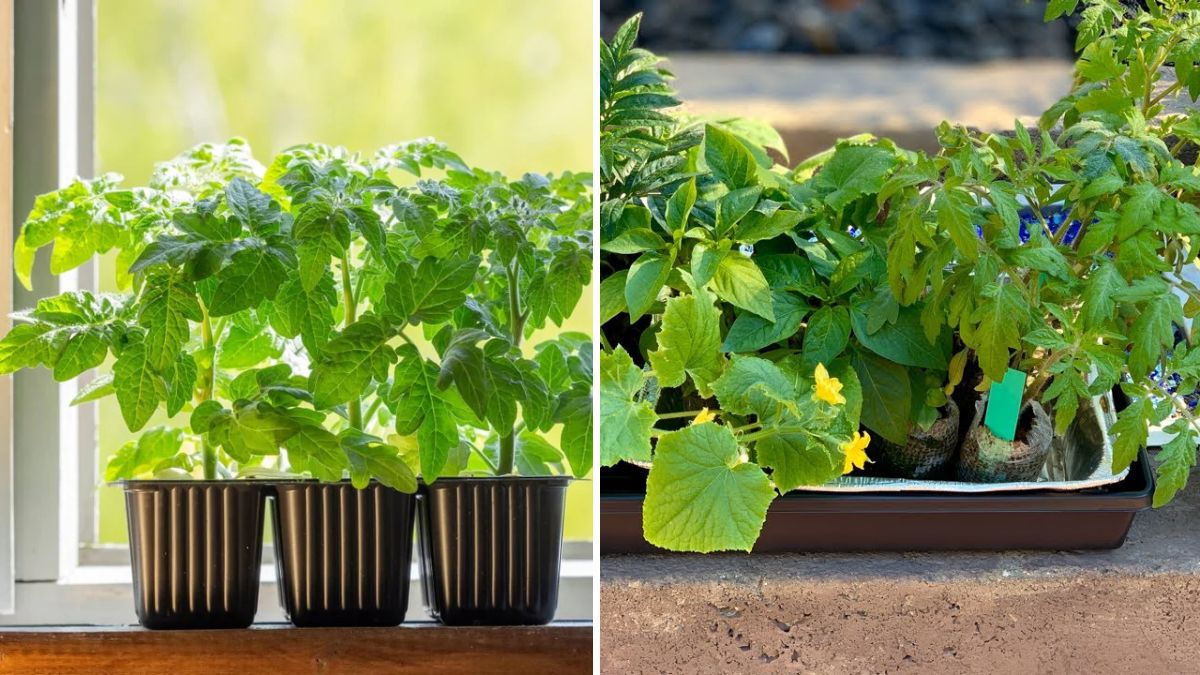
Growing vegetables at home doesn’t require a large garden. Even with limited space, such as a balcony, patio, or windowsill, you can cultivate fresh, healthy vegetables in small pots. Small space gardening is an ideal solution for urban dwellers and beginners, allowing them to enjoy the benefits of homegrown produce without needing a backyard. In this guide, we’ll explore the best vegetables to grow in small pots, along with tips for soil, watering, and maximizing yields.
Why Grow Vegetables in Small Pots?
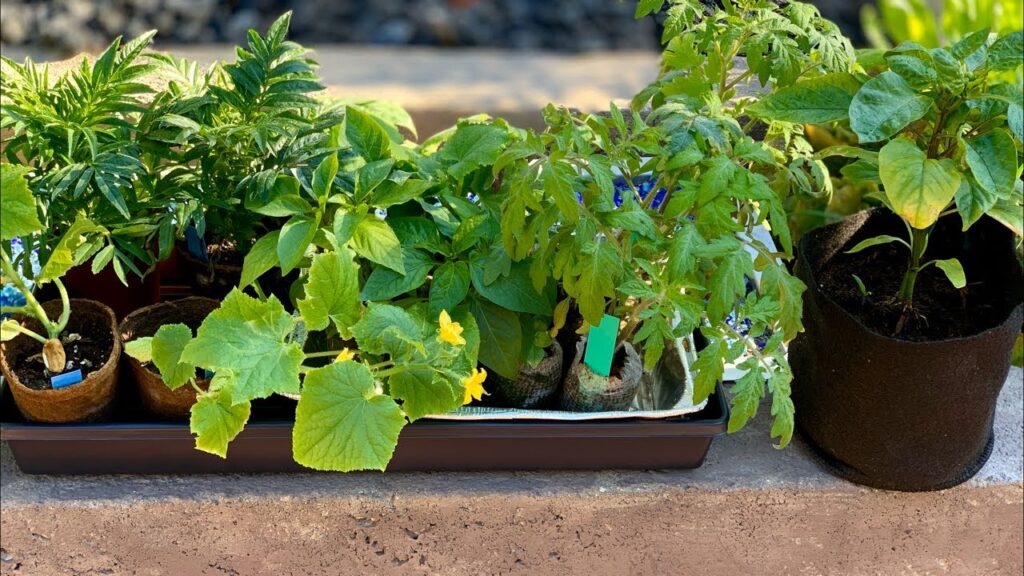
There are several reasons why small space gardening is becoming increasingly popular:
- Space Efficiency: Ideal for apartments, terraces, and balconies.
- Fresh and Healthy Produce: Homegrown vegetables are chemical-free and rich in nutrients.
- Cost-Effective: Saves money compared to buying vegetables from the market.
- Therapeutic Activity: Gardening reduces stress and provides a sense of accomplishment.
- Year-Round Gardening: Containers allow you to move plants indoors during extreme weather.
Small pots can accommodate a wide variety of vegetables, from leafy greens to compact fruiting plants, making them a versatile choice for urban gardening.
Choosing the Right Containers for Small Space Gardening
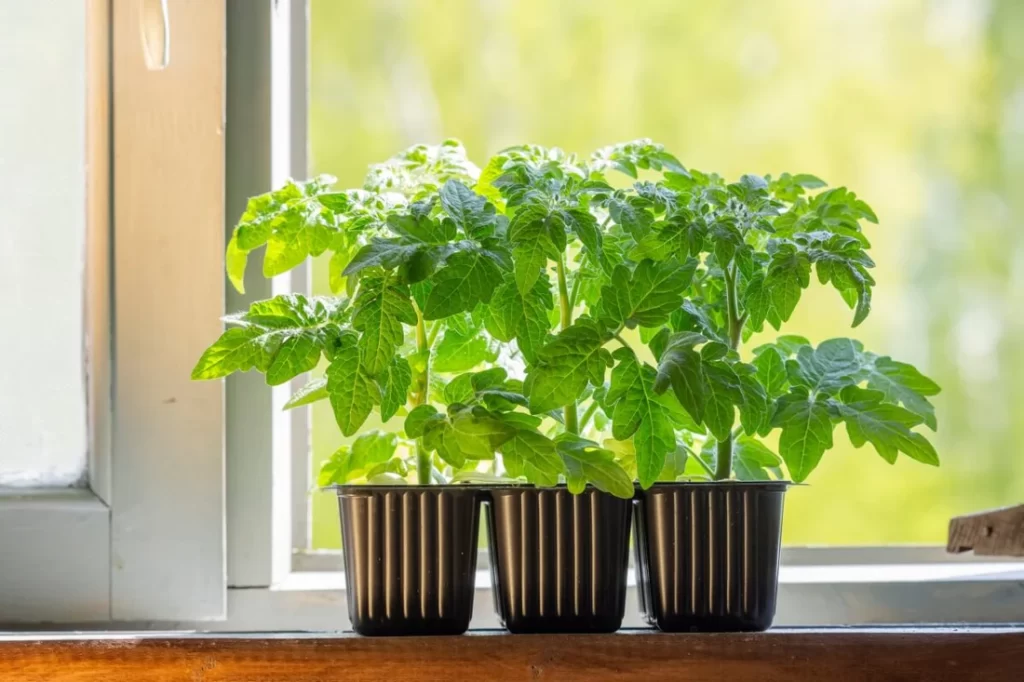
The first step in small space gardening is selecting appropriate containers:
- Size Matters: Choose pots with enough depth for root growth. Leafy greens need 6-8 inches, while root vegetables like carrots or radishes require 8-12 inches.
- Material: Plastic, ceramic, terracotta, or grow bags are all suitable. Plastic retains moisture, terracotta allows aeration, and grow bags are lightweight and portable.
- Drainage: Ensure all pots have drainage holes to prevent waterlogging and root rot.
- Mobility: Lightweight pots are easier to move to optimize sunlight exposure or protect from harsh weather.
Tip: Consider vertical gardening by stacking pots or using hanging containers to save floor space.
Best Vegetables to Grow in Small Pots
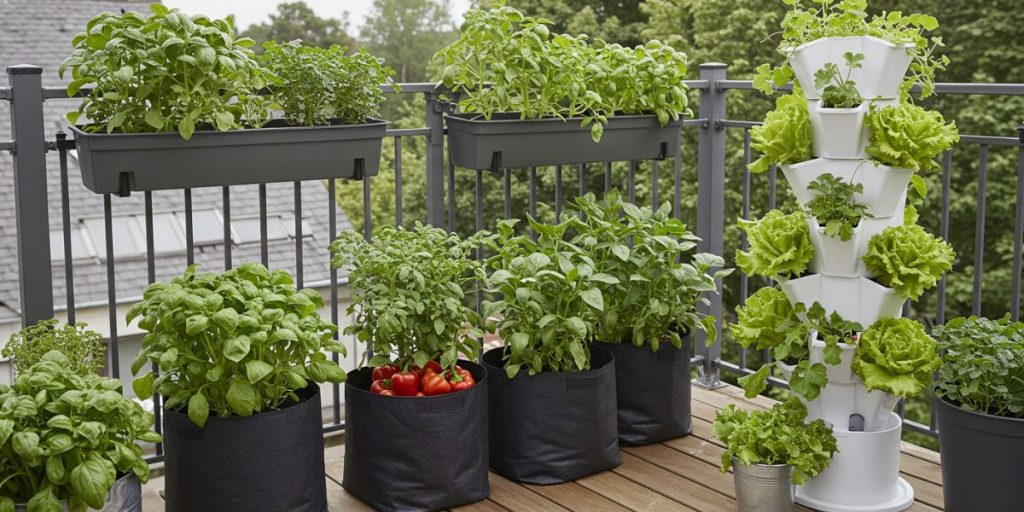
Here’s a list of vegetables that thrive in small containers and produce great yields:
- Lettuce and Other Leafy Greens
- Varieties: Romaine, butterhead, spinach, arugula, kale.
- Pot Size: 6-8 inches deep.
- Tips: Sow seeds close together and harvest leaves regularly for continuous growth.
- Radishes
- Varieties: Cherry Belle, French Breakfast.
- Pot Size: 8-10 inches deep.
- Tips: Radishes grow quickly in 20-30 days. Harvest promptly to avoid woody roots.
- Carrots
- Varieties: Nantes, Chantenay, Mini or Baby Carrots.
- Pot Size: 10-12 inches deep.
- Tips: Use loose, sandy soil for straight roots. Thin seedlings to avoid overcrowding.
- Tomatoes
- Varieties: Cherry, patio, dwarf determinate types.
- Pot Size: 12-16 inches deep.
- Tips: Provide a stake or cage for support. Ensure full sun and regular watering.
- Chilies and Peppers
- Varieties: Bell peppers, jalapeños, bird’s eye chilies.
- Pot Size: 10-12 inches deep.
- Tips: Warmth and sunlight are crucial. Fertilize regularly to support fruiting.
- Spinach
- Varieties: Baby spinach, Savoy, Bloomsdale.
- Pot Size: 6-8 inches deep.
- Tips: Harvest young leaves for the best flavor. Spinach prefers cooler temperatures.
- Herbs
- Varieties: Basil, coriander, mint, parsley, thyme.
- Pot Size: 6-10 inches.
- Tips: Herbs are perfect for small pots and windowsills. Pinch off flowers to encourage leaf growth.
- Green Beans
- Varieties: Bush beans for pots.
- Pot Size: 10-12 inches deep.
- Tips: Provide vertical support for climbing varieties. Beans are fast-growing and high-yielding.
- Cucumbers
- Varieties: Bush or dwarf cucumbers.
- Pot Size: 12-16 inches deep.
- Tips: Train vines on trellises. Water consistently to prevent bitter fruits.
- Beets
- Varieties: Detroit Dark Red, Golden Beet.
- Pot Size: 8-10 inches deep.
- Tips: Beets provide edible roots and greens. Thin seedlings for optimal growth.
Soil and Fertilization for Pot Vegetables
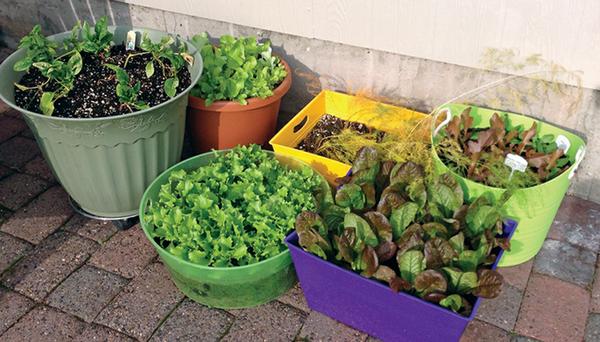
- Soil: Use well-draining, nutrient-rich potting mix. Mix garden soil with compost or coco peat for aeration and fertility.
- Fertilizer: Slow-release or liquid fertilizers support container-grown vegetables. Apply according to plant type and growth stage.
- pH Level: Most vegetables thrive in slightly acidic to neutral soil (pH 6.0-7.0).
Tip: Avoid heavy garden soil in pots, as it compacts easily and hinders root growth.
Watering and Maintenance
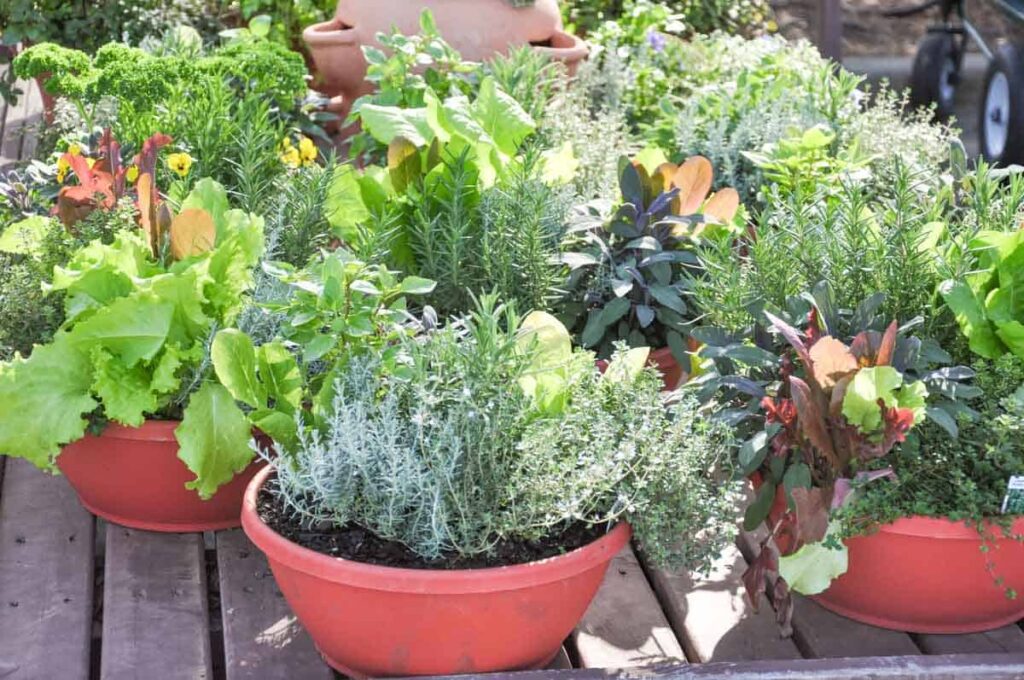
- Consistency: Container vegetables dry out faster than garden beds. Water regularly, keeping the soil evenly moist.
- Drainage: Ensure pots drain well to avoid root rot.
- Mulching: Use straw or small pebbles to retain soil moisture and regulate temperature.
- Sunlight: Rotate pots to ensure all plants receive adequate sunlight. Most vegetables need 6-8 hours of sunlight daily.
Tip: Check moisture by sticking a finger into the soil. If the top inch is dry, it’s time to water.
Pest and Disease Management in Small Pots
Even in small containers, pests and diseases can occur:
- Common Pests: Aphids, whiteflies, slugs, spider mites. Control naturally with neem oil, insecticidal soap, or hand-picking.
- Diseases: Root rot, powdery mildew, leaf spots. Prevent by ensuring good airflow, proper spacing, and avoiding overwatering.
- Preventive Measures: Clean pots and tools regularly, rotate crops, and remove damaged leaves promptly.
Tip: Companion planting, like growing basil with tomatoes, can naturally repel pests.
Maximizing Yields in Small Spaces
- Succession Planting: Sow new seeds as soon as one crop finishes for continuous harvest.
- Vertical Gardening: Use trellises, hanging pots, or wall-mounted planters to save space.
- Companion Planting: Plant complementary crops together, such as lettuce under taller tomatoes, to maximize space and reduce pests.
- Regular Harvesting: Harvest leafy vegetables and herbs regularly to encourage new growth.
Benefits of Small Space Gardening
- Freshness: Enjoy fresh, homegrown produce all year round.
- Sustainability: Reduce carbon footprint by growing your own vegetables.
- Learning Opportunity: Ideal for teaching kids about plant growth, nutrition, and responsibility.
- Aesthetic Value: Pots and containers with vegetables and herbs enhance the visual appeal of balconies or patios.
Conclusion
Small space gardening proves that limited space doesn’t mean limited possibilities. By selecting the right vegetables, providing proper soil, sunlight, and care, you can grow a thriving container garden even in apartments or urban settings. From leafy greens like lettuce and spinach to fruiting vegetables like tomatoes, chilies, and cucumbers, almost any gardener can enjoy the satisfaction of growing fresh, homegrown produce.
Whether you’re starting on a balcony, terrace, or windowsill, container gardening offers a rewarding way to eat fresh, save money, and beautify your home. With the tips outlined in this guide—from choosing the best vegetables for pots, managing soil, water, and nutrients, to pest control and harvesting—you can create a productive and visually appealing small space garden that delivers health, flavor, and joy all year long.