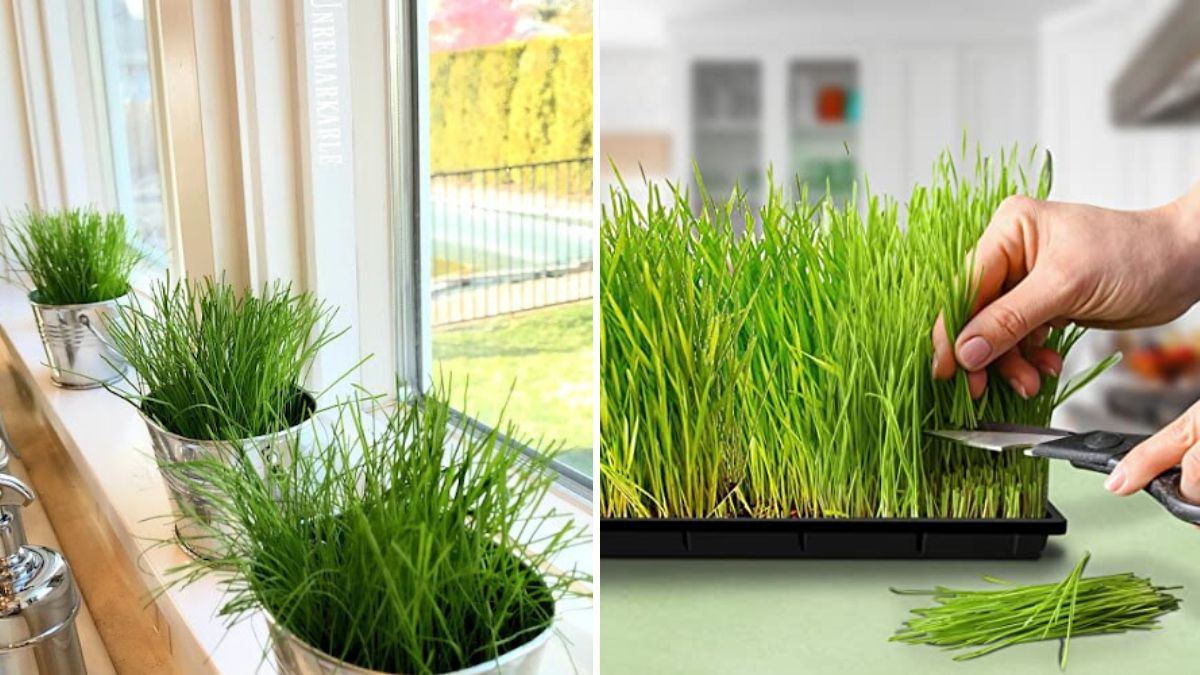
A lush, green lawn instantly enhances the beauty of your home, garden, or outdoor space. While many people rely on sod or artificial turf, growing grass from seed is a cost-effective and rewarding method that allows you to create a healthy, natural lawn. Whether you are starting a new lawn or repairing a patchy one, this guide will take you from planting seeds to achieving the perfect green carpet.
Why Grow Grass from Seed?
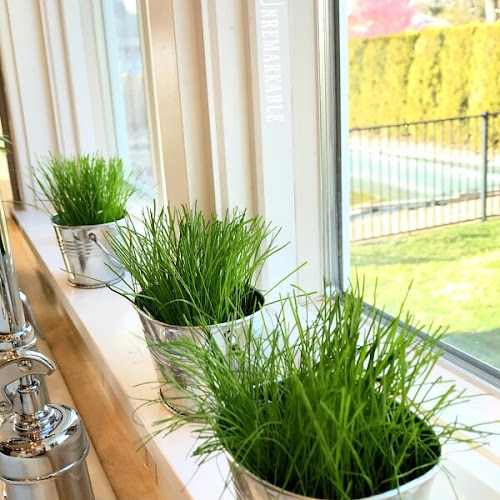
Growing grass from seed offers several advantages:
- Cost-Effective: Seeds are much cheaper than sod and allow coverage of large areas without breaking the bank.
- Variety: You can choose grass varieties that suit your climate, soil, and desired appearance.
- Control: Growing from seed allows you to manage the lawn’s health, soil quality, and maintenance naturally.
- Satisfaction: Watching a lawn grow from tiny seeds to a full, green carpet is incredibly rewarding.
Step 1: Selecting the Right Grass Seed
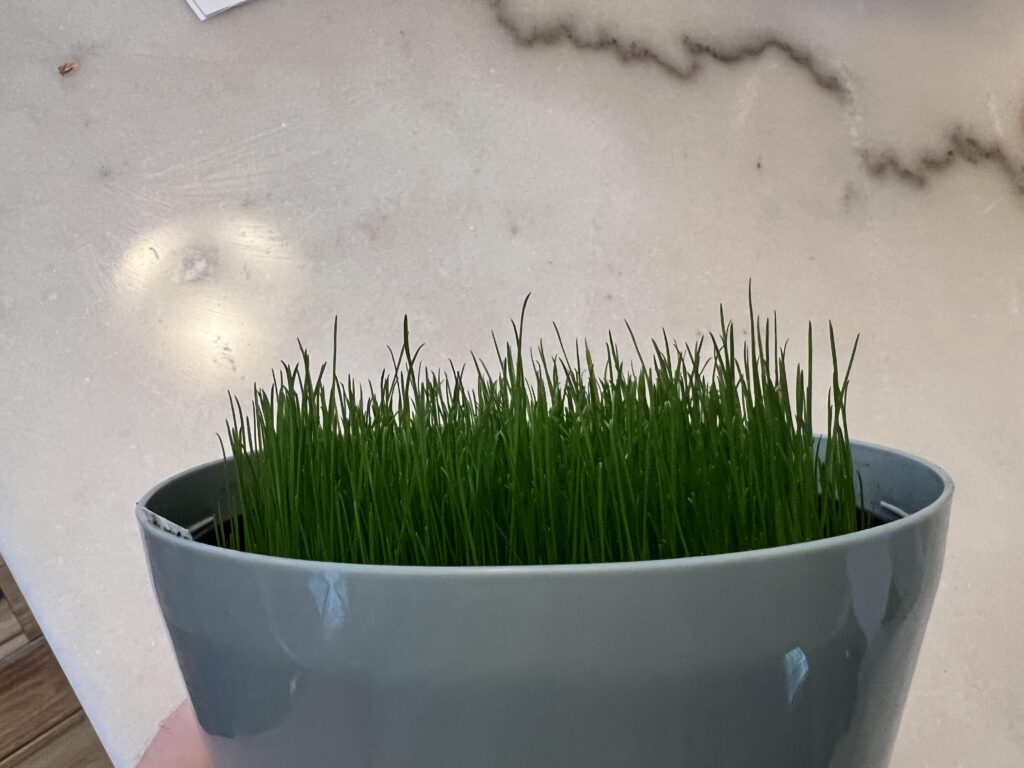
Choosing the right grass variety is crucial for a successful lawn. Consider climate, sunlight, and usage before selecting:
- Cool-Season Grasses: Ideal for temperate regions. Examples include Kentucky bluegrass, ryegrass, and fescues. They grow best in spring and fall.
- Warm-Season Grasses: Perfect for tropical or subtropical climates. Examples include Bermuda, Zoysia, and St. Augustine grass. These thrive in summer.
- Drought-Tolerant Varieties: If water is scarce, consider drought-resistant grasses like buffalo grass or Bermuda grass.
Pro Tip: For mixed climates, a combination of cool- and warm-season seeds may provide year-round green coverage.
Step 2: Preparing the Soil
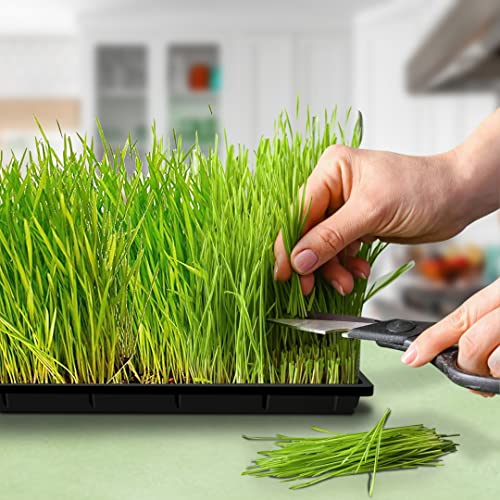
Healthy soil is the foundation of a thriving lawn:
- Clear the Area: Remove weeds, rocks, debris, and old grass from the site.
- Loosen Soil: Till or rake the soil to a depth of 2–3 inches to allow roots to penetrate easily.
- Improve Fertility: Mix in compost, well-rotted manure, or lawn fertilizer to enrich the soil.
- Level the Ground: Smooth the surface with a rake, ensuring even terrain for uniform growth.
Pro Tip: Test the soil pH. Most grasses prefer a slightly acidic to neutral pH (6.0–7.0). Adjust with lime (for acidity) or sulfur (to lower pH) as needed.
Step 3: Seeding the Lawn
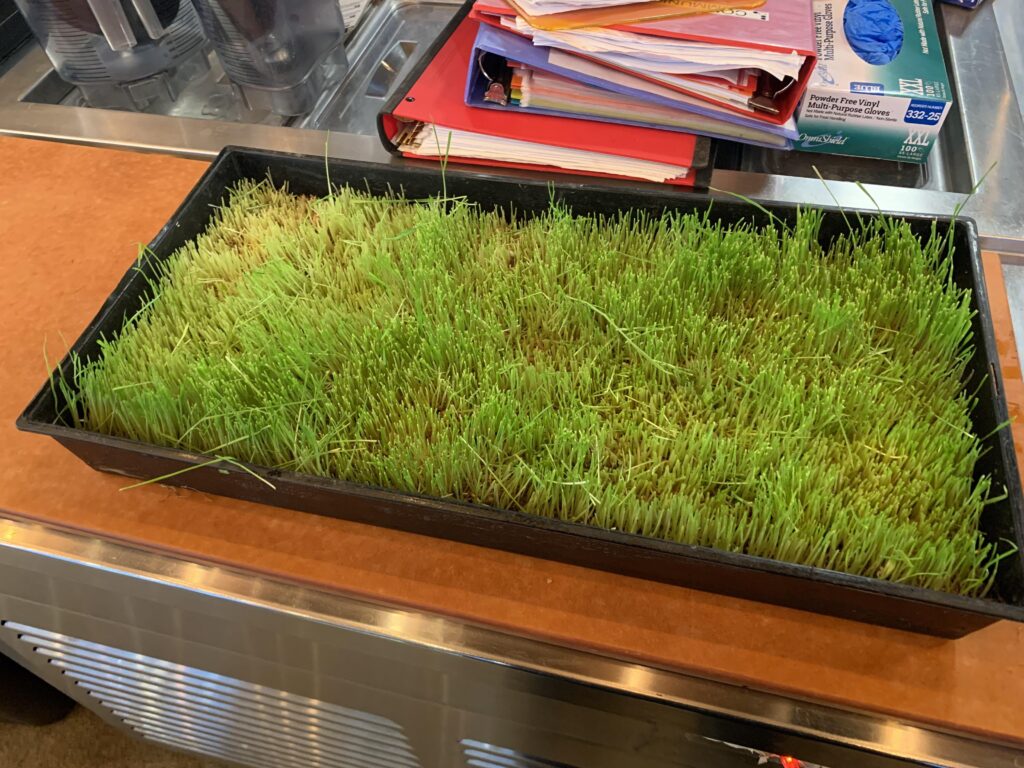
- Determine Seed Quantity: Check the recommended seeding rate on your seed package. Over-seeding can cause competition, while under-seeding leaves gaps.
- Even Distribution: Use a broadcast spreader or sow seeds by hand for small areas. Apply seeds evenly to prevent patchy growth.
- Rake Lightly: Gently rake the seeds into the top ¼ inch of soil to ensure contact. Do not bury them too deep.
- Initial Watering: Mist the soil lightly to moisten without washing away seeds.
Pro Tip: Consider dividing the seeds into two passes in perpendicular directions for more even coverage.
Step 4: Watering and Germination
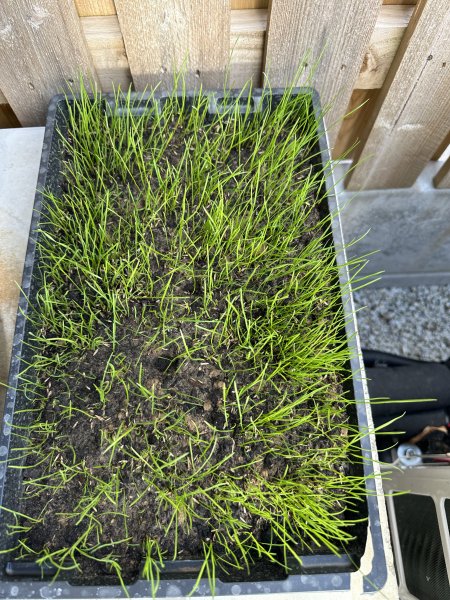
Grass seeds need consistent moisture to germinate successfully:
- Watering Frequency: Water lightly 2–3 times per day until seeds germinate.
- Soil Moisture: Keep the soil consistently damp but not waterlogged.
- Germination Time: Most grass seeds germinate within 7–21 days, depending on variety and temperature.
Pro Tip: Use a fine spray nozzle to prevent seeds from washing away. Covering the seeded area with a thin layer of straw can retain moisture and protect seeds from birds.
Step 5: Fertilizing Young Grass
Once grass seedlings emerge, they need nutrients for healthy growth:
- Apply a starter fertilizer high in phosphorus to promote strong root development.
- Avoid over-fertilizing, as young grass can be burned by excess nutrients.
- Feed again after 4–6 weeks with a balanced fertilizer to encourage dense, lush growth.
Pro Tip: Organic fertilizers or compost tea are gentle alternatives for young lawns.
Step 6: Mowing Your Lawn
Mowing is an essential step in establishing a healthy lawn:
- First Mow: Wait until grass reaches 3–4 inches in height. Cut only the top 1/3 of the blade.
- Mowing Frequency: Regular mowing encourages dense growth. Adjust frequency depending on growth rate.
- Blade Height: Cool-season grasses should be kept around 2.5–3 inches, while warm-season grasses do well at 1.5–2 inches.
Pro Tip: Keep mower blades sharp to avoid tearing grass, which can stress young seedlings.
Step 7: Weed and Pest Management
Weeds and pests can hinder a new lawn’s growth:
- Weeds: Hand-pull or use organic herbicides for young grass. Avoid chemical herbicides during the first 6–8 weeks.
- Pests: Watch for grubs, aphids, or caterpillars. Natural solutions like neem oil or beneficial insects can help.
- Fungal Diseases: Avoid overwatering and ensure proper airflow to prevent fungal growth.
Pro Tip: Healthy, dense lawns naturally resist weeds and pests over time.
Step 8: Maintaining Your Lawn
Once your lawn is established, proper maintenance is key:
- Watering: Water deeply 1–2 times per week to encourage deep roots. Reduce frequency during rainy periods.
- Fertilization: Apply a slow-release fertilizer every 6–8 weeks during the growing season.
- Aeration: Aerate your lawn annually to improve soil drainage and root growth.
- Overseeding: Fill bare patches with fresh seed to maintain a thick, lush lawn.
Pro Tip: Grass grows best when it receives a balance of sunlight, water, and nutrients. Avoid excessive foot traffic on young lawns.
Benefits of a Homegrown Lawn
- Aesthetic Appeal: A green lawn adds beauty and value to your home.
- Cooling Effect: Grass lowers surrounding temperatures and reduces heat compared to concrete or asphalt.
- Soil Protection: Grass prevents soil erosion and improves soil structure.
- Recreation: Provides a safe space for children, pets, and outdoor activities.
Common Mistakes to Avoid
- Uneven Seeding: Can lead to patchy lawns. Always sow evenly.
- Overwatering: Leads to fungal growth and weak roots.
- Cutting Too Short: Stresses young grass and promotes weed growth.
- Ignoring Soil Preparation: Poor soil results in poor germination and growth.
- Neglecting Maintenance: Regular watering, mowing, and fertilizing are essential for a thriving lawn.
Conclusion
Growing grass from seed is a rewarding and cost-effective way to create a beautiful, lush lawn. By following the steps from choosing the right seed, preparing soil, sowing, watering, fertilizing, and maintaining, you can transform bare soil into a green, vibrant carpet.
With patience and proper care, your lawn will thrive, providing beauty, comfort, and environmental benefits for years to come. Start today, and enjoy the satisfaction of nurturing your lawn from seed to final result, creating a space that’s both functional and visually stunning.