Cacti are among the most fascinating plants for indoor and outdoor gardening. Their unique shapes, vibrant flowers, and low maintenance make them a favorite for plant enthusiasts. While most people buy cactus seedlings or mature plants, growing cacti from seeds is a rewarding and cost-effective way to expand your collection. With proper techniques, you can achieve a 100% success rate and watch tiny seeds grow into healthy, thriving cactus plants.
This guide provides a step-by-step approach to growing cactus from seeds, covering everything from seed selection to mature plant care.
Why Grow Cactus from Seeds?
Growing cactus from seeds has several benefits:
- Cost-Effective: Seeds are inexpensive compared to buying mature plants.
- Variety Selection: You can choose from countless cactus species, including rare and exotic varieties.
- Satisfaction: Watching a cactus grow from a tiny seed is an incredibly rewarding experience.
- Learning Opportunity: Understanding the growth cycle and care requirements improves your overall gardening skills.
Step 1: Selecting Cactus Seeds
The first step is to choose the right seeds:
- Choose Fresh Seeds: Older seeds may have lower germination rates.
- Select Species: Some cactus species germinate faster than others. For beginners, try Mammillaria, Echinopsis, or Gymnocalycium varieties.
- Source Seeds: Obtain seeds from reputable sellers, or collect seeds from mature cactus plants.
Pro Tip: Label your seeds with the species name and date of sowing to track growth.
Step 2: Preparing the Soil
Cactus seeds need a well-draining soil mix for successful germination:
- Mix Ingredients: Combine sand, perlite, and peat moss in equal parts. Avoid heavy garden soil that retains water.
- Sterilize Soil: To prevent fungal infections, bake the soil at 180°F (82°C) for 30 minutes or use boiling water to sterilize.
- Fill Containers: Use shallow trays, seedling pots, or small containers with drainage holes. Fill them with the prepared soil mix.
Pro Tip: A light, sandy mix ensures roots develop without risk of rot.
Step 3: Sowing Cactus Seeds
- Surface Sowing: Sprinkle seeds evenly on the soil surface; do not bury them, as most cactus seeds require light to germinate.
- Spacing: Keep seeds 0.5–1 inch apart to prevent overcrowding.
- Watering: Mist the soil lightly using a spray bottle to moisten seeds without washing them away.
- Cover: Place a clear plastic lid, tray cover, or plastic wrap over the container to maintain humidity.
Pro Tip: Ensure seeds are exposed to indirect light, not direct sunlight, which can damage them.
Step 4: Germination
Germination times vary depending on the species:
- Temperature: Keep the container at 70–85°F (21–29°C) for optimal growth.
- Humidity: Maintain high humidity by keeping the cover on until seedlings appear.
- Light: Provide bright, indirect light. A sunny windowsill or grow light works well.
- Watering: Mist lightly to keep the soil moist but not soggy.
Germination usually occurs within 1–6 weeks, depending on the species and environmental conditions.
Pro Tip: Avoid overwatering, as it can lead to fungal growth and seed rot.
Step 5: Caring for Seedlings
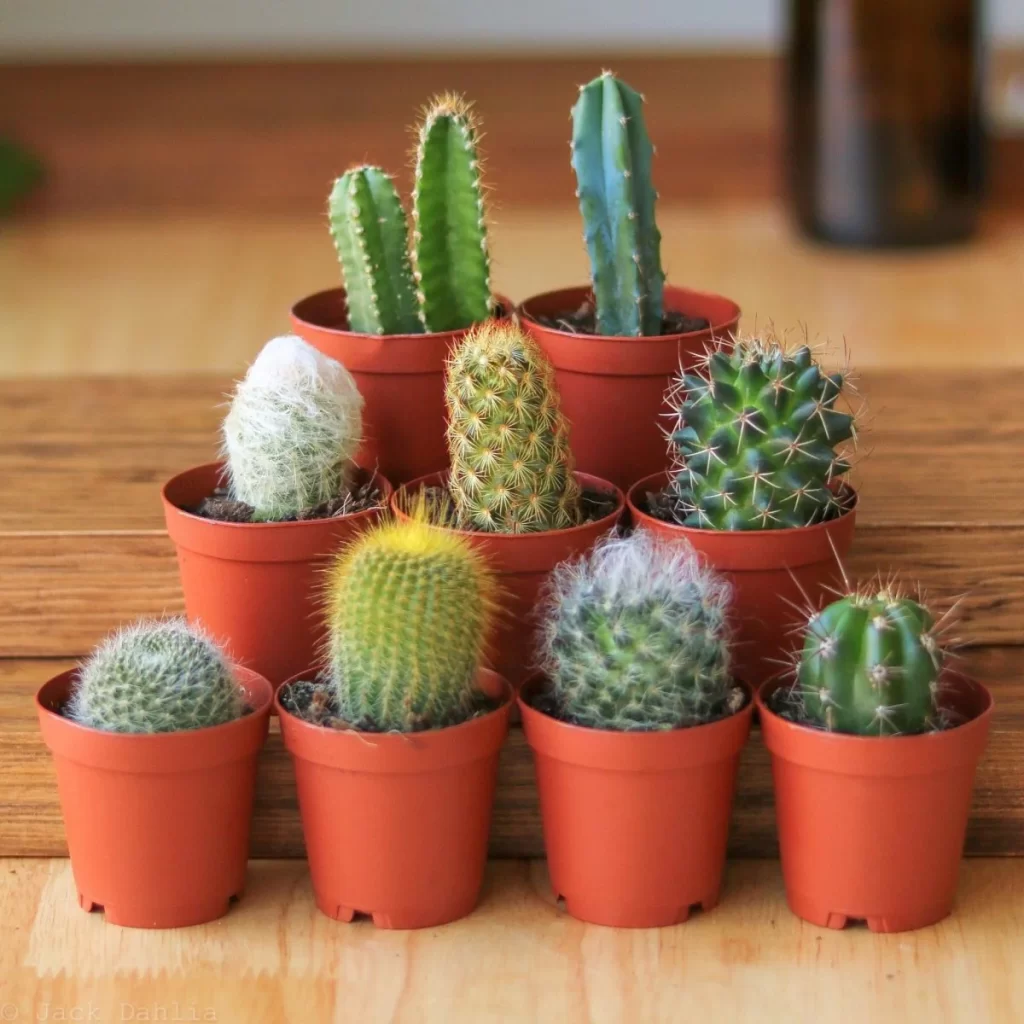
Once seedlings emerge, proper care is essential for healthy growth:
- Gradually Reduce Humidity: Remove the cover for a few hours each day to acclimate seedlings to normal conditions.
- Light: Provide 12–14 hours of bright, indirect light daily. Avoid harsh, direct sunlight on young seedlings.
- Watering: Allow the top layer of soil to dry between watering. Mist gently rather than pouring water directly.
- Fertilization: Avoid fertilizing until seedlings are at least 3–4 months old. After that, use a diluted cactus fertilizer.
Pro Tip: Be patient—cactus seedlings grow slowly. It may take several months before they look like miniature cacti.
Step 6: Transplanting Seedlings
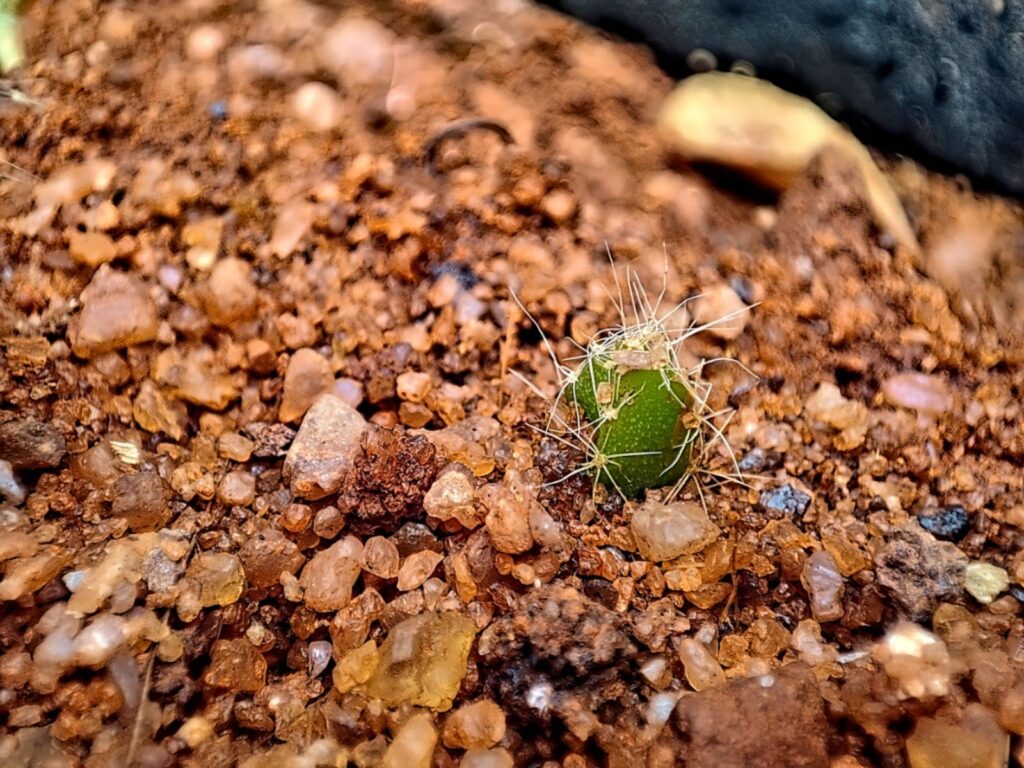
After 6–12 months, seedlings can be transplanted into individual pots:
- Prepare Pots: Use small pots with drainage holes and the same sandy soil mix.
- Handle Carefully: Use a spoon or tweezers to avoid damaging delicate roots.
- Spacing: Plant one seedling per pot to prevent overcrowding and ensure proper growth.
- Acclimate: Keep seedlings in indirect sunlight for a week before moving to brighter light.
Pro Tip: Transplant during the growing season (spring or early summer) for the best results.
Step 7: Watering and Fertilization
Cactus care requires balance:
- Watering: Water deeply but infrequently. Allow the soil to dry completely between waterings. Overwatering is the most common cause of cactus death.
- Fertilization: Use a cactus-specific fertilizer diluted to half strength during the growing season (spring and summer). Avoid fertilizing in winter when growth slows.
- Soil Maintenance: Ensure soil remains well-draining and avoid compacting it around roots.
Pro Tip: Water in the morning to allow the soil to dry throughout the day.
Step 8: Sunlight Requirements
Cacti need plenty of sunlight to thrive:
- Indoor Plants: Place near a sunny window that receives 4–6 hours of light. Use grow lights if natural light is insufficient.
- Outdoor Plants: Gradually acclimate seedlings to direct sunlight to prevent sunburn.
- Rotation: Rotate pots weekly to ensure even light exposure and prevent uneven growth.
Pro Tip: Some cactus species prefer partial shade during extremely hot afternoons.
Step 9: Pests and Problems
Cacti are hardy but can face common issues:
- Mealybugs and Aphids: Wipe affected areas with alcohol-soaked cotton or use neem oil.
- Fungal Infections: Caused by overwatering or poor ventilation. Ensure proper drainage and airflow.
- Etiolation: Stretching due to insufficient light. Move to brighter areas to prevent weak, elongated growth.
Pro Tip: Regularly inspect seedlings and young plants to catch problems early.
Step 10: Flowering
Most cactus species grown from seed take 2–5 years to flower, depending on the species.
- Encourage Bloom: Provide adequate sunlight, proper watering, and seasonal temperature variations.
- Patience: Cactus flowers are rewarding and vibrant but require time and care to develop.
Pro Tip: Keep a journal of growth, noting watering schedules, sunlight, and fertilization to track progress.
Benefits of Growing Cactus from Seeds
- Cost-Free Gardening: Saves money compared to buying mature plants.
- Wide Variety: Access to rare species and hybrids.
- Decorative: Adds unique, exotic charm to homes and gardens.
- Low Maintenance: Once established, cacti require minimal care.
- Educational: Learn about seed germination, growth, and plant care.
Common Mistakes to Avoid
- Overwatering: Leads to rot and fungal infections.
- Poor Soil Drainage: Heavy or compacted soil can suffocate roots.
- Insufficient Light: Causes weak, etiolated seedlings.
- Handling Too Early: Cactus seedlings are delicate; avoid excessive handling.
- Skipping Acclimatization: Gradually expose seedlings to sunlight to prevent sunburn.
Conclusion
Growing cactus from seeds is a rewarding, cost-effective, and educational hobby. By following the steps from choosing seeds, preparing soil, sowing, germination, seedling care, transplanting, and proper maintenance, you can achieve a 100% success rate and cultivate healthy, thriving cactus plants.
With patience and consistent care, your tiny seeds will grow into unique, decorative plants that can enhance any indoor or outdoor space. Start today and enjoy the satisfaction of nurturing cacti from seed to mature plant, creating a beautiful and low-maintenance garden at home.