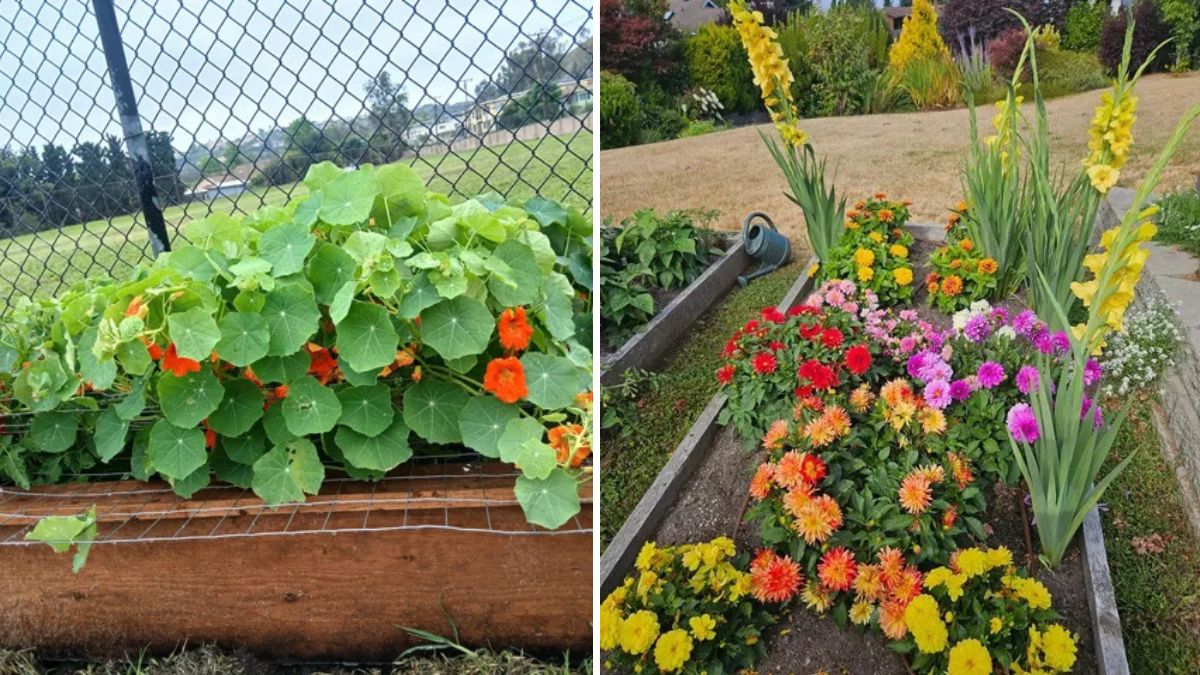
Summer is the perfect season to bring vibrant colors and life to your garden. Growing summer flowers from seeds is not only cost-effective, but it also gives you the joy of watching plants grow from tiny seeds into stunning blooms. With proper care, planning, and techniques, anyone can cultivate a beautiful summer garden—even in limited spaces.
This comprehensive guide provides A-Z information on growing summer flower seeds, covering seed selection, sowing, care, maintenance, and harvesting flowers for display or decoration.
Why Grow Summer Flowers from Seeds
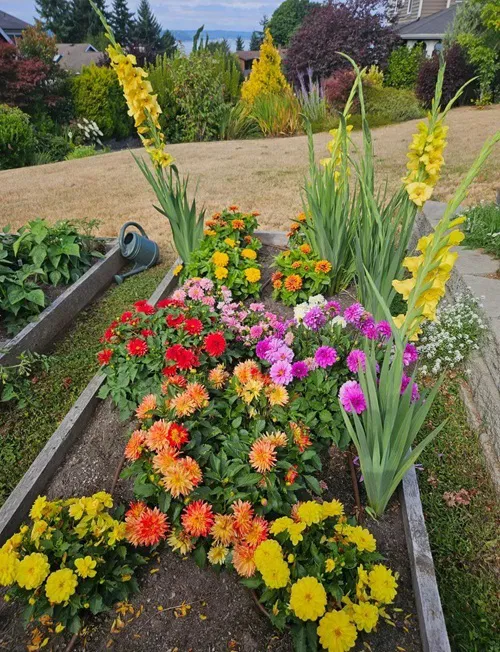
- Cost-Effective: Seeds are cheaper than buying grown plants.
- Variety: Choose from hundreds of flower types and colors.
- Satisfaction: Watching flowers grow from seeds is highly rewarding.
- Flexibility: Grow in garden beds, pots, or containers.
- Adaptability: Seeds adapt better to your garden environment over time.
Whether you want marigolds, zinnias, cosmos, sunflowers, or petunias, growing from seeds ensures a personalized and abundant flower garden.
Step 1: Selecting the Right Flower Seeds
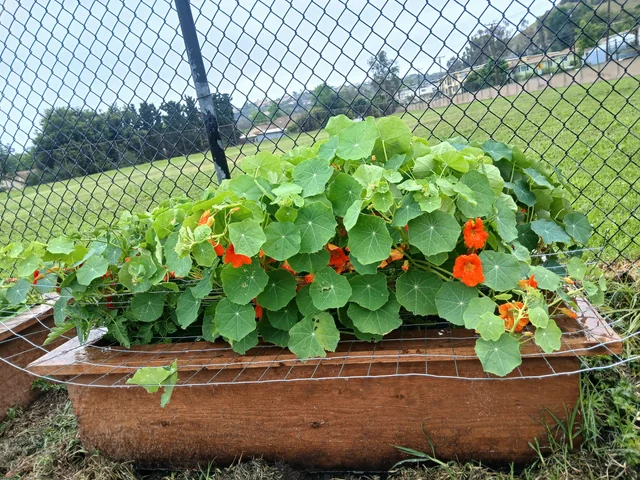
Choose flowers suitable for summer planting and your climate. Popular options include:
- Marigolds: Easy to grow, vibrant orange and yellow flowers.
- Zinnias: Bright, long-lasting blooms that attract butterflies.
- Sunflowers: Tall, cheerful flowers that grow fast.
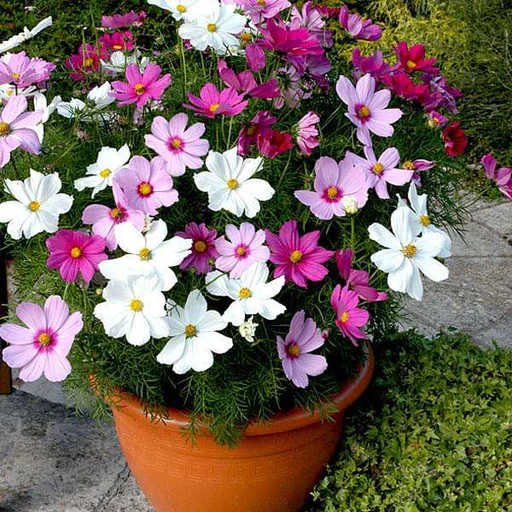
- Cosmos: Delicate, colorful flowers that thrive in hot weather.
- Petunias and Portulaca: Great for pots and hanging baskets.
Pro Tip: Check the seed packet for sowing season, germination period, and growth conditions before planting.
Step 2: Choosing the Right Containers and Soil
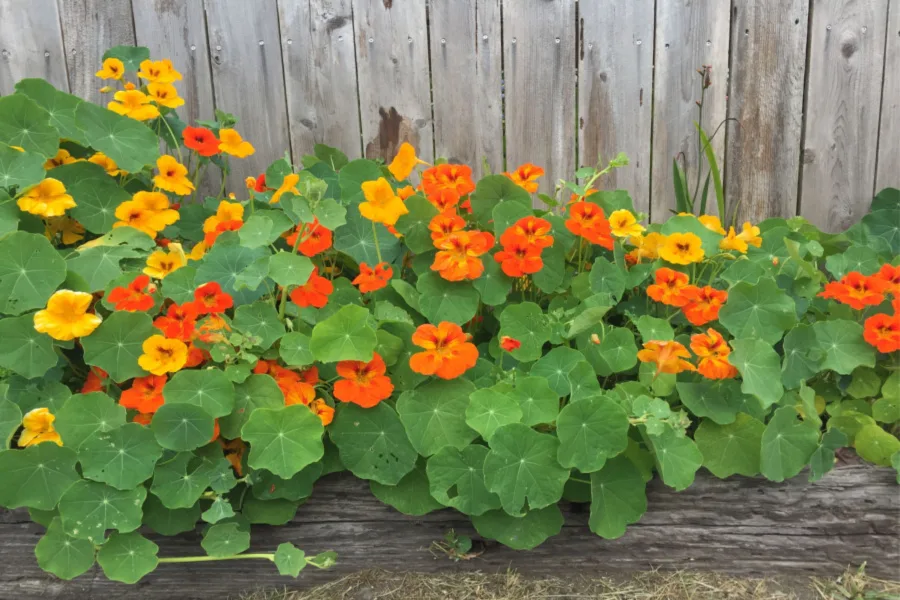
- Containers: Use seed trays, pots, recycled plastic containers, or small cups with drainage holes.
- Soil: Use lightweight, well-draining seed-starting mix. Avoid garden soil initially, as it may contain pests.
- Soil Preparation: Mix garden compost with sand or cocopeat to enhance drainage and nutrient content.
Pro Tip: For faster germination, pre-moisten the soil and remove large clumps to create a smooth seedbed.
Step 3: Sowing Seeds
- Seed Depth: Most summer flower seeds are small; sow ½ inch deep or as instructed on the packet.
- Spacing: Ensure seeds are spaced adequately to avoid overcrowding.
- Watering: Mist gently with a spray bottle to keep soil moist.
- Covering: Cover trays with a transparent lid or plastic wrap to retain humidity.
Pro Tip: Label containers with flower name and sowing date for easy tracking.
Step 4: Germination and Early Care
- Temperature: Summer flower seeds germinate best at 70–80°F (21–27°C).
- Light: Place trays in bright, indirect sunlight. Avoid harsh afternoon sun for seedlings.
- Watering: Keep soil consistently moist but not soggy. Overwatering can cause seeds to rot.
- Timeframe: Germination usually occurs in 5–14 days, depending on the species.
Pro Tip: Remove plastic covers gradually once seedlings emerge to prevent fungal growth.
Step 5: Transplanting Seedlings
Once seedlings have 2–3 true leaves, they are ready for transplanting.
- Hardening Off: Expose seedlings to outdoor conditions gradually for 4–5 days to reduce shock.
- Planting Site: Choose a sunny location with well-draining soil. Most summer flowers need 6–8 hours of sunlight.
- Planting Technique: Dig small holes slightly larger than the root ball. Gently remove seedlings from trays and plant in prepared soil.
- Spacing: Maintain recommended spacing for each variety to allow airflow and growth.
Pro Tip: Water immediately after transplanting to settle the soil and reduce transplant shock.
Step 6: Watering and Fertilization
- Watering: Water early in the morning or late afternoon to prevent evaporation.
- Frequency: Keep soil consistently moist, especially during the first 2–3 weeks.
- Fertilization: Use balanced liquid fertilizer every 2–3 weeks for continuous blooming. Organic options like compost tea or diluted cow dung water work well.
Pro Tip: Mulching around plants retains moisture, suppresses weeds, and regulates soil temperature.
Step 7: Sunlight and Temperature Management
- Most summer flowers thrive in full sun, but some varieties prefer partial shade.
- Avoid exposure to extremely hot midday sun for delicate seedlings.
- Maintain soil temperature around 20–30°C (68–86°F) for optimal growth.
Pro Tip: Using light shade nets or placing pots in partially shaded areas can protect flowers from scorching during peak summer.
Step 8: Pest and Disease Control
Common summer flower pests include:
- Aphids: Spray with neem oil or mild soap solution.
- Whiteflies: Use sticky traps or natural insect repellents.
- Fungal Diseases: Powdery mildew and damping-off can be prevented by good air circulation and proper watering.
Pro Tip: Regular inspection is key to keeping flowers healthy and vibrant. Remove damaged leaves promptly.
Step 9: Supporting Tall Flowers
- Tall varieties like sunflowers or cosmos may require support.
- Use bamboo sticks, trellises, or stakes to prevent stems from bending or breaking.
- Tie gently with soft ties to avoid damaging stems.
Pro Tip: Adequate spacing also reduces the risk of plants toppling over in wind or heavy rain.
Step 10: Flowering and Maintenance
- Deadheading: Remove spent flowers to encourage more blooms.
- Pruning: Trim leggy or unhealthy stems to redirect energy to flowering.
- Regular Feeding: Continue fertilizing with flower-boosting fertilizers every 2–3 weeks.
Pro Tip: A well-maintained summer flower garden can bloom for 2–3 months or more, providing continuous color and fragrance.
Step 11: Harvesting and Enjoying Flowers
- Cut Flowers: Harvest flowers in the morning when they are freshest.
- Bouquets and Decorations: Use flowers for home decor, gifts, or ceremonies.
- Seed Collection: Collect seeds from matured flowers to grow next season.
Pro Tip: Cutting flowers regularly encourages the plant to produce more blooms.
Step 12: Benefits of Growing Summer Flowers
- Beautification: Adds color, fragrance, and life to your home or garden.
- Pollinator-Friendly: Attracts bees, butterflies, and birds.
- Stress Relief: Gardening is therapeutic and improves mental health.
- Cost-Effective: Growing from seeds is cheaper than buying fully grown plants.
- Sustainable: Encourages organic gardening and reduces environmental impact.
Pro Tip: Summer flowers improve the overall ecosystem in your garden by supporting beneficial insects.
Step 13: Tips for Success
- Start with Easy-to-Grow Flowers: Marigolds, zinnias, and cosmos are ideal for beginners.
- Maintain Consistent Care: Water, fertilize, and remove weeds regularly.
- Protect from Extreme Heat: Use shade nets or move potted plants during heatwaves.
- Use Containers for Limited Space: Allows easy mobility and sunlight management.
- Track Growth: Keep a gardening diary for sowing dates, germination, and flowering.
Pro Tip: Consistency and observation are the keys to a thriving summer flower garden.
Step 14: Common Mistakes to Avoid
- Overwatering seedlings, leading to root rot.
- Planting in areas with insufficient sunlight.
- Neglecting pest control and fertilization.
- Overcrowding seeds or plants.
- Ignoring soil drainage or composting needs.
Pro Tip: Early attention to these issues ensures healthy, vibrant flowers and continuous blooms.
Conclusion
Growing summer flowers from seeds is fun, cost-effective, and rewarding. From marigolds and zinnias to sunflowers and cosmos, summer flowers brighten your surroundings while providing ecological and health benefits.
By following the A-Z guide—seed selection, sowing, transplanting, watering, fertilization, pest management, pruning, and harvesting—you can create a vibrant, colorful summer garden, whether in your backyard, balcony, or terrace.
Start your summer flower garden today and enjoy the beauty, fragrance, and joy of homegrown blooms that thrive throughout the season!