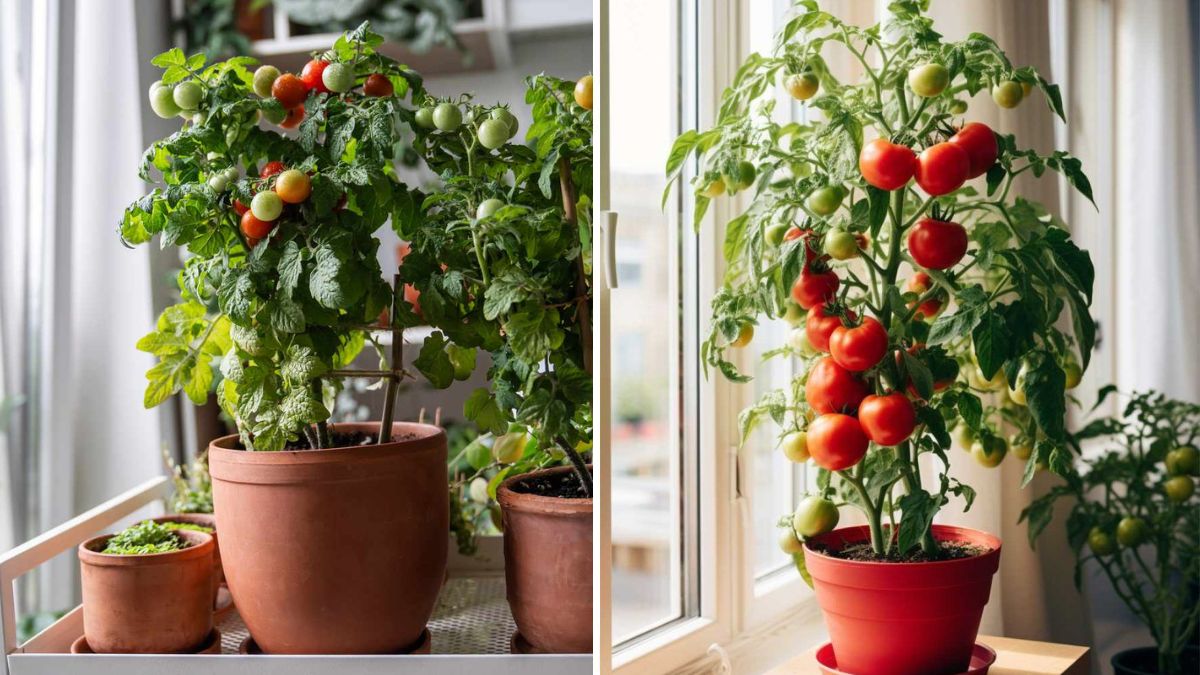
Tomatoes are one of the most popular and versatile vegetables (technically a fruit!) grown at home. Their juicy, flavorful fruits are perfect for salads, sauces, and cooking, making them a staple in kitchens worldwide. However, getting a bountiful tomato harvest requires a bit of knowledge and care. In this complete guide, we’ll share 12 expert tips to help you grow lots of healthy tomatoes at home, from planting to harvest.
Why Grow Tomatoes at Home?
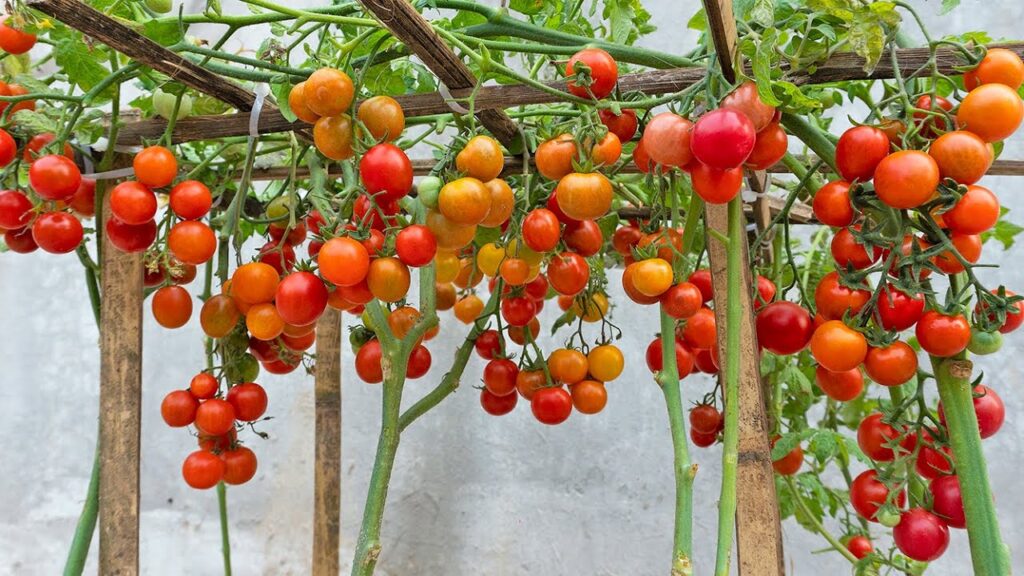
Growing tomatoes at home offers numerous benefits:
- Freshness and Flavor: Homegrown tomatoes are tastier and juicier than store-bought varieties.
- Cost-Effective: Growing your own tomatoes saves money in the long run.
- Control Over Pesticides: You can grow organic tomatoes free from harmful chemicals.
- Fun and Educational: Gardening teaches patience, care, and observation skills.
- Variety: You can grow heirloom, cherry, or specialty tomato varieties not commonly available in stores.
With the right tips and guidance, even beginners can achieve a high yield of vibrant, flavorful tomatoes.
Tip 1: Choose the Right Variety
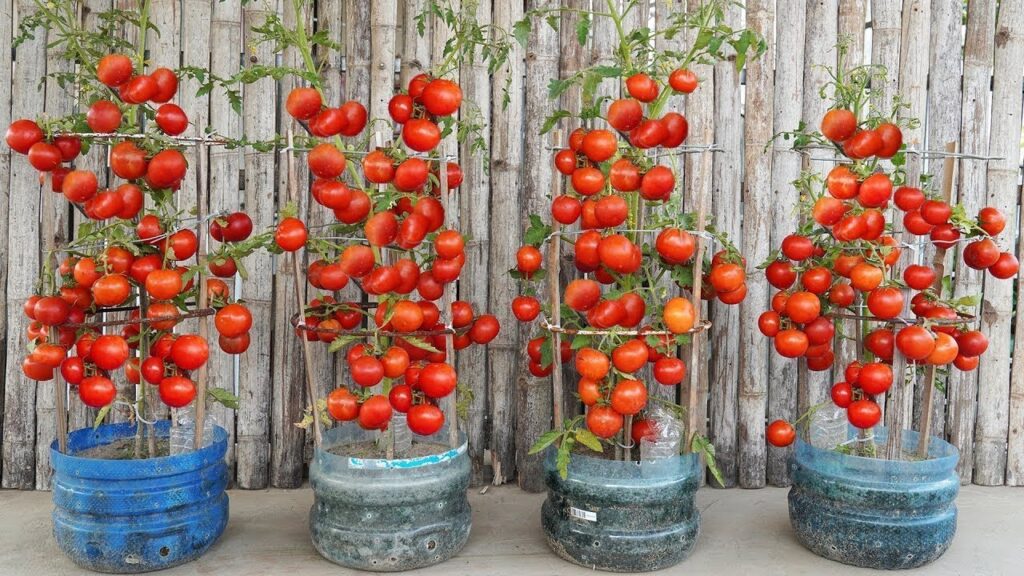
Selecting the right tomato variety is crucial for a successful harvest. Tomatoes are mainly categorized as:
- Determinate (Bush Tomatoes): These grow to a fixed size and produce all their fruits at once. Ideal for small gardens or containers.
- Indeterminate (Vining Tomatoes): These continue growing and producing fruit throughout the season. Perfect for large spaces and long harvests.
- Cherry or Grape Tomatoes: Small, sweet fruits that grow in clusters and are prolific producers.
Consider your space, climate, and harvest goals before selecting a variety.
Tip 2: Start Seeds Indoors
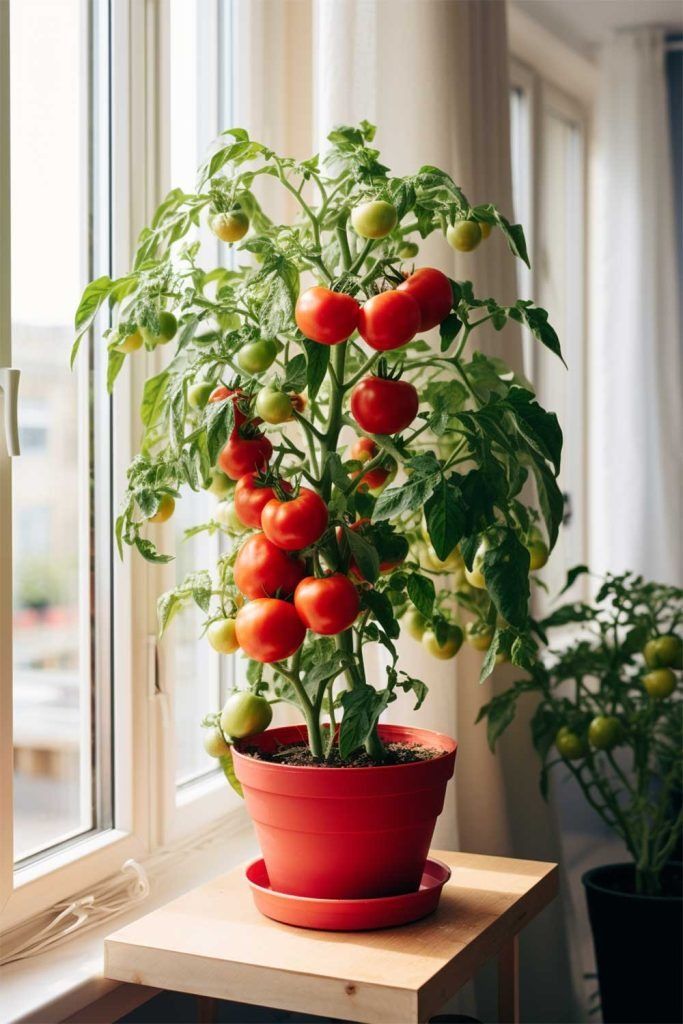
Starting tomatoes from seeds indoors gives you a head start, especially in regions with shorter growing seasons.
- Sow seeds 6-8 weeks before the last expected frost.
- Use seed trays or small pots with a good-quality seed-starting mix.
- Keep the soil moist and maintain a temperature of 20-25°C (68-77°F).
- Provide bright light for 12-16 hours a day or use grow lights if natural light is limited.
Tip: Seedlings with sturdy stems and healthy green leaves will produce stronger plants once transplanted outdoors.
Tip 3: Prepare the Soil Properly
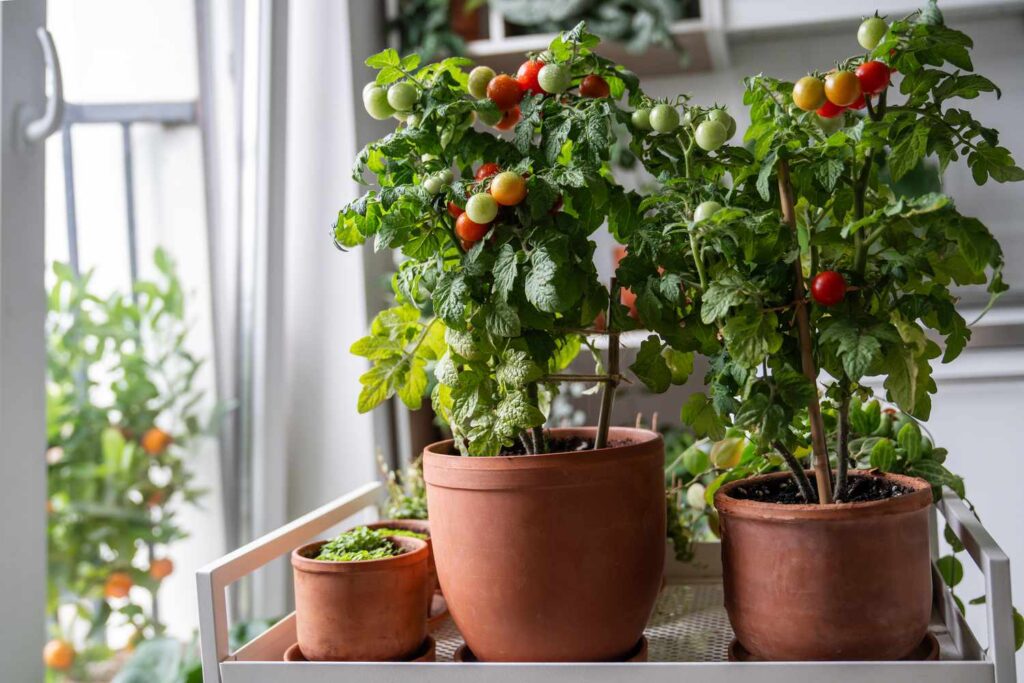
Tomatoes thrive in nutrient-rich, well-draining soil:
- Mix garden soil with compost or aged manure for added fertility.
- Ensure the soil is slightly acidic to neutral (pH 6.0-7.0).
- Avoid heavy clay or waterlogged soils, which can lead to root rot.
Tip: Loosening the soil before planting helps roots penetrate easily and promotes better growth.
Tip 4: Transplant Carefully
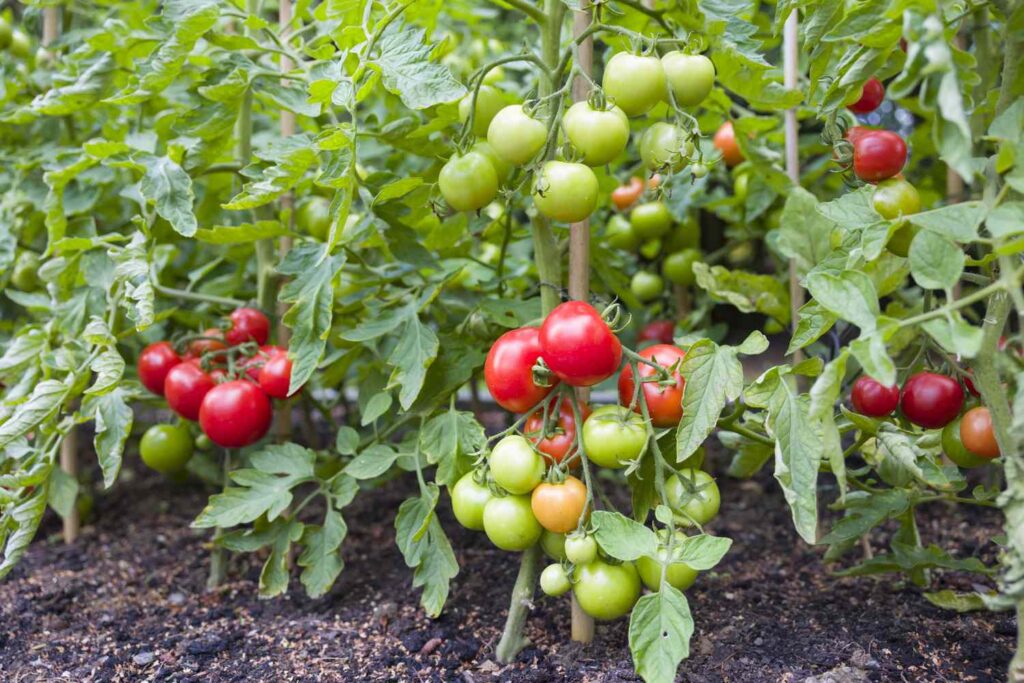
When seedlings are 6-8 inches tall with a few true leaves, they’re ready for transplanting:
- Harden off seedlings by gradually exposing them to outdoor conditions for 5-7 days.
- Dig a hole deep enough to bury 2/3 of the stem. Tomatoes develop roots along buried stems, resulting in stronger plants.
- Space plants 18-24 inches apart for determinate varieties and 24-36 inches for indeterminate types.
Tip: Transplant on a cloudy day or in the late afternoon to reduce transplant shock.
Tip 5: Provide Adequate Sunlight
Tomatoes are sun-loving plants and need at least 6-8 hours of direct sunlight daily.
- Choose a sunny spot in your garden or balcony.
- For container tomatoes, rotate pots regularly to ensure even sunlight exposure.
- Insufficient sunlight leads to weak plants and fewer fruits.
Tip 6: Support Your Plants
Most tomato plants, especially indeterminate varieties, need support to grow upright:
- Use stakes, cages, or trellises to keep plants off the ground.
- Tie stems loosely with soft ties to avoid damage.
- Supporting plants improves air circulation, reduces disease risk, and makes harvesting easier.
Tip 7: Water Consistently
Tomatoes need consistent moisture to thrive:
- Water deeply 2-3 times per week, depending on climate and soil type.
- Avoid frequent shallow watering, which encourages weak roots.
- Mulch around the base to retain soil moisture and reduce weed growth.
Tip: Water at the base of the plant to prevent wetting the leaves, which can cause fungal diseases.
Tip 8: Fertilize Properly
Tomatoes are heavy feeders and benefit from regular fertilization:
- Use a balanced fertilizer (NPK 10:10:10) during early growth.
- Switch to a phosphorus and potassium-rich fertilizer once flowers appear to promote fruiting.
- Avoid excessive nitrogen, which encourages leaf growth at the expense of flowers.
Tip: Organic options like compost tea, fish emulsion, or bone meal work well for home gardens.
Tip 9: Prune for Maximum Yield
Pruning improves airflow, sunlight penetration, and overall plant health:
- Remove lower leaves that touch the soil to prevent disease.
- Pinch off suckers (small shoots growing between the main stem and branches) for indeterminate varieties to direct energy to fruit production.
- Avoid excessive pruning, which can reduce the plant’s ability to photosynthesize.
Tip 10: Protect Against Pests and Diseases
Tomatoes are susceptible to pests and fungal diseases:
- Common pests: Aphids, whiteflies, tomato hornworms. Control naturally with neem oil, insecticidal soap, or manual removal.
- Diseases: Blight, powdery mildew, and leaf spots. Ensure proper spacing, good airflow, and avoid overhead watering.
- Rotate crops annually to reduce soil-borne diseases.
Tip 11: Harvest at the Right Time
Harvesting tomatoes at the right stage ensures the best flavor and encourages continued production:
- Pick tomatoes when they are fully colored and slightly soft to the touch.
- For longer shelf life, you can harvest slightly underripe tomatoes and let them ripen indoors.
- Regular harvesting prevents fruits from becoming overripe and attracts more flowers.
Tip 12: Companion Planting and Additional Care
- Companion Plants: Basil, marigold, and garlic can help repel pests and improve growth.
- Container Care: For potted tomatoes, repot larger plants into deeper containers as they grow.
- Season Extension: Use row covers or greenhouses to protect plants from early frost or extreme heat.
Conclusion
Growing lots of tomatoes at home is achievable with proper planning, care, and attention. By following these 12 expert tips, you can ensure healthy plants, vibrant blooms, and a bountiful harvest. From selecting the right variety to proper watering, fertilization, pruning, and pest management, every step contributes to a thriving tomato garden.
Whether you have a small balcony, a backyard garden, or a spacious plot, tomatoes can flourish in almost any space with the right approach. Fresh, juicy, homegrown tomatoes are a joy to harvest and a delight to taste. Start today, follow this guide from seed to harvest, and enjoy an abundant supply of one of the most loved vegetables in the world!