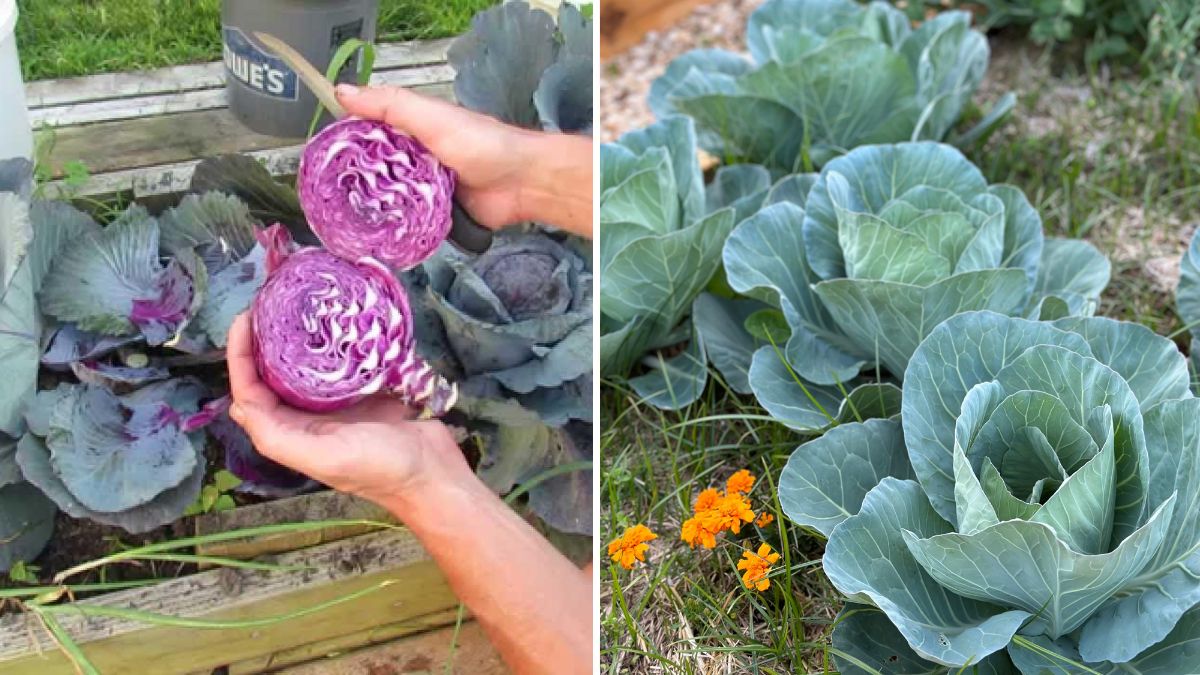
Cabbage is a versatile, nutrient-rich vegetable that’s widely used in salads, soups, stir-fries, and pickles. Growing cabbage at home from seeds is not only cost-effective but also ensures fresh, chemical-free produce. With the right care, you can cultivate healthy, large cabbage heads in your backyard, raised bed, or even containers. This step-by-step guide will take you from sowing tiny seeds to harvesting full-grown cabbage.
1. Why Grow Cabbage at Home?
Growing cabbage at home offers many benefits:
- Fresh and chemical-free: No pesticides or preservatives
- Nutritious: Rich in vitamins A, C, K, and antioxidants
- Cost-effective: Seeds produce dozens of plants
- Space-efficient: Can grow in containers or small garden patches
- Satisfying: Watching seeds grow into large heads is rewarding
Homegrown cabbage tastes far better than store-bought varieties and allows you to control quality from soil to harvest.
2. Best Cabbage Varieties for Home Gardening

Choosing the right cabbage variety is important. Common types include:
- Green Cabbage: Classic round heads, mild flavor, long storage life
- Red Cabbage: Vibrant color, slightly peppery taste, rich in antioxidants
- Savoy Cabbage: Wrinkled leaves, tender texture, mild taste
Tip: For continuous harvest, plant a mix of early, mid, and late-season varieties.
3. Preparing Cabbage Seeds for Sowing

High-quality seeds ensure strong seedlings.
Seed Preparation Steps:
- Purchase seeds from a trusted supplier
- Check the packet for germination rate
- Optionally soak seeds in lukewarm water for 2–3 hours to speed up germination
Cabbage seeds are tiny, so handle them carefully during sowing.
4. Choosing Soil and Containers

Cabbage grows well in both garden beds and containers.
Soil Requirements:
- Loose, fertile, well-draining soil
- Rich in organic matter or compost
- Slightly acidic to neutral (pH 6–7)
Container Guidelines:
- Use pots at least 10–12 inches deep
- Ensure proper drainage
- Large containers allow heads to grow fully
Raised beds also work well for larger yields.
5. Sowing Cabbage Seeds: Step-by-Step
Seed Sowing Process:
- Fill seed trays or pots with seed-starting mix
- Sow seeds thinly, about ¼ inch deep
- Lightly cover with soil
- Mist with water to keep soil moist
- Cover with plastic wrap or humidity dome for better germination
- Place in a bright, warm spot (20–25°C)
Germination Timeline:
- Seeds sprout in 5–10 days
- Keep soil moist but not waterlogged
6. Thinning and Transplanting Seedlings

Once seedlings have 2–3 true leaves, thin them so only strong plants remain.
Transplanting Steps:
- Choose a sunny spot with 6–8 hours of sunlight
- Dig holes spaced 12–18 inches apart
- Gently transplant seedlings with roots intact
- Water immediately after planting
Proper spacing ensures large, healthy cabbage heads.
7. Watering Your Cabbage Plants
Cabbage needs consistent moisture for healthy growth.
Watering Guidelines:
- Water 2–3 times per week depending on weather
- Keep soil evenly moist but not soggy
- Mulch around plants to retain moisture and control weeds
Avoid overwatering, which can cause root rot and diseases.
8. Fertilizing Cabbage for Maximum Growth
Cabbage is a heavy feeder.
Fertilizer Schedule:
- Before transplanting: Mix compost or well-rotted manure into soil
- During growth: Use nitrogen-rich fertilizer every 3–4 weeks for leafy growth
- Before head formation: Apply phosphorus and potassium-rich fertilizer for strong, dense heads
Balanced nutrition ensures large, firm cabbage heads.
9. Sunlight Requirements

Cabbage thrives in full sunlight:
- At least 6–8 hours of direct sun daily
- More sunlight = faster growth and stronger heads
- In low light, heads may be smaller and loose
10. Common Pests and Diseases
Pests:
- Cabbage worms
- Aphids
- Flea beetles
Natural Remedies:
- Neem oil spray
- Handpick worms
- Row covers to protect seedlings
Diseases:
- Downy mildew
- Clubroot
- Black rot
Prevention:
- Rotate crops each season
- Avoid overcrowding
- Keep leaves dry and ensure good airflow
11. Mulching and Weed Control
Mulch helps retain soil moisture, regulate temperature, and prevent weeds.
Mulch Materials:
- Straw
- Dry leaves
- Grass clippings
Regular weeding reduces competition for nutrients and water.
12. Head Formation and Harvesting
Cabbage forms heads after several weeks of growth.
Signs Heads Are Ready:
- Heads feel firm when squeezed
- Outer leaves begin to curl slightly
- Color is uniform for the variety
Harvesting Steps:
- Use a sharp knife to cut the head at the base
- Remove any damaged outer leaves
- Leave outer foliage intact if planning for additional smaller heads (for some varieties)
Proper timing ensures tender, crunchy cabbage.
13. Storing Homegrown Cabbage
- Store in a cool, dry place
- Cabbage can last 1–2 months in the refrigerator
- Wrap loosely in plastic or paper to maintain moisture
- Avoid storing with ethylene-producing fruits like apples for longer shelf life
14. Tips for Growing Tons of Cabbage
- Choose high-quality seeds
- Provide full sun and well-draining soil
- Water consistently and mulch regularly
- Fertilize according to growth stage
- Space plants properly for large heads
- Protect from pests and diseases
Following these tips ensures a bountiful harvest of healthy, crunchy cabbages.
15. Companion Planting With Cabbage
Cabbage grows well with:
- Companions: Beets, onions, celery, herbs
- Avoid planting with: Strawberries, tomatoes (may attract pests)
Companion planting can improve growth and reduce pests naturally.
Final Thoughts
Growing cabbage from seeds to harvest is a satisfying and productive gardening experience. With proper sunlight, water, soil, and care, you can enjoy fresh, crisp, and nutrient-rich cabbages straight from your home garden. Whether in raised beds, containers, or a backyard patch, cabbages are easy to grow, versatile in cooking, and a rewarding crop for beginner and experienced gardeners alike.
https://indogenericexport.com/# buy medicines online in india