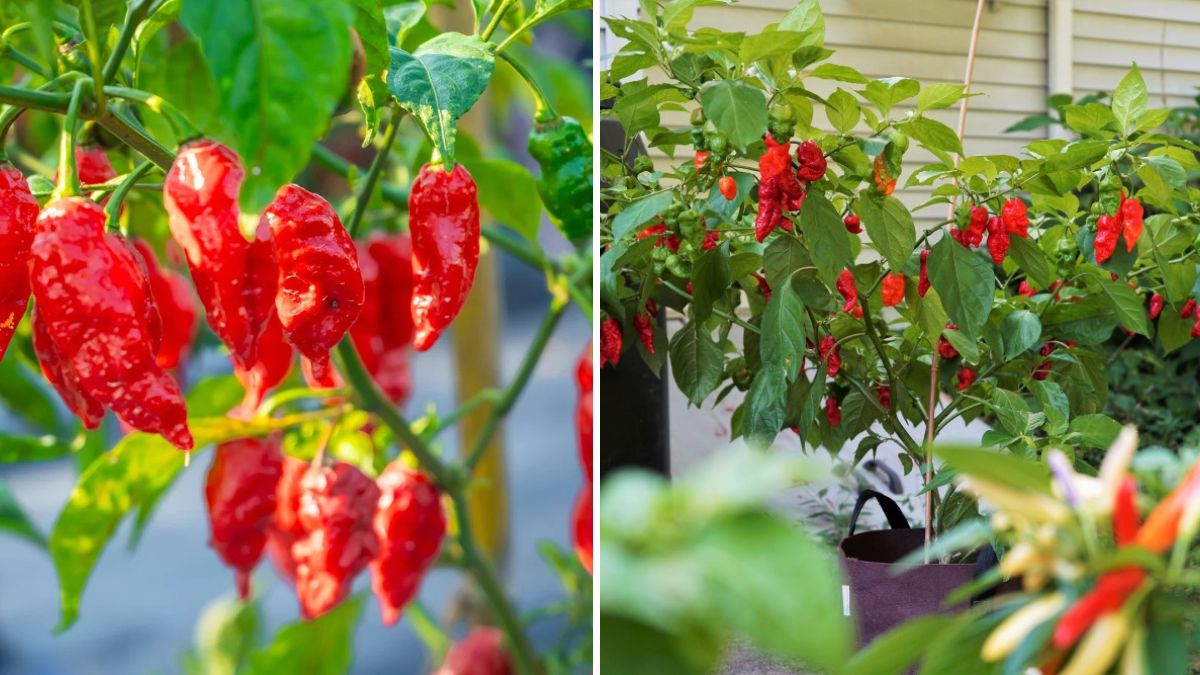
If you are a gardening enthusiast with a taste for adventure, growing the world’s hottest pepper at home is the ultimate challenge. Not only do these fiery peppers pack incredible heat, but they are also visually stunning, adding color and intensity to your garden. Best of all, you don’t need a huge backyard—you can grow these peppers easily in pots, making them perfect for balconies, terraces, and small gardens.
This comprehensive guide will walk you through everything from seed selection, sowing, and care to harvesting the world’s spiciest peppers right in your home garden.
🌶 Why Grow the World’s Hottest Pepper at Home?
Growing your own super-hot peppers has several benefits:
- ✔ Extreme flavor and heat – Perfect for hot sauces and culinary experiments
- ✔ Easy to grow in small spaces – Pots and containers work perfectly
- ✔ Health benefits – Rich in vitamin C, antioxidants, and capsaicin
- ✔ Thrilling challenge – Growing super-hot peppers is a satisfying hobby
- ✔ Unique aesthetics – Vibrant red or orange fruits are decorative
Popular super-hot varieties include Carolina Reaper, Trinidad Scorpion, Bhut Jolokia (Ghost Pepper), and 7 Pot Douglah. Each variety varies slightly in heat, but all require similar care.
🌱 Step 1: Choose the Right Seeds
The first step is selecting high-quality seeds from a reputable source.
Tips for Choosing Seeds
- Look for fresh seeds (avoid old, low-germination seeds)
- Choose seeds suited to your climate (some peppers need warmer conditions)
- Consider starting with smaller super-hot varieties if you are a beginner
Optional:
Soak seeds in warm water for 12–24 hours before sowing to speed up germination.
🪴 Step 2: Prepare Your Pots and Soil

Peppers grow well in pots, but soil and drainage are key to success.
Pot Requirements
- Depth: 10–12 inches minimum for healthy root development
- Width: At least 10 inches per plant
- Material: Clay, plastic, or ceramic pots
- Drainage: Must have multiple holes at the bottom
Soil Mix for Hot Peppers
- 40% garden soil or sandy loam
- 30% compost or vermicompost
- 20% cocopeat or perlite for drainage
- 10% organic matter (like neem cake or leaf mold)
Peppers thrive in well-drained, nutrient-rich soil. Avoid waterlogged soil, as roots can rot easily.
🌱 Step 3: Sowing the Seeds
Super-hot peppers are slow germinators, so patience is key.
How to Sow
- Fill seed trays or small pots with seed-starting mix
- Make small holes (0.5–1 cm deep)
- Place 1–2 seeds per hole
- Cover lightly with soil
- Water gently with a spray bottle
Germination Tips
- Keep soil warm: 25–30°C
- Cover trays with a plastic lid or cling film to retain moisture
- Germination can take 2–3 weeks, sometimes longer for ultra-hot varieties

🌞 Step 4: Light and Temperature Requirements
Hot peppers require plenty of sunlight and warmth.
Optimal Conditions
- Sunlight: 6–8 hours daily
- Temperature: 24–32°C during the day, 18–22°C at night
- Humidity: Moderate (avoid waterlogging)
If growing indoors, supplement with LED grow lights for 12–14 hours daily.
🌿 Step 5: Transplanting Seedlings

Once seedlings develop 2–3 true leaves and are 4–6 inches tall, they can be transplanted into larger pots.
Transplanting Steps
- Choose a pot with good drainage
- Fill with prepared soil mix
- Make a small hole in the soil
- Gently remove the seedling from tray, keeping roots intact
- Plant in the hole and water lightly
Spacing is important—give each plant at least 12 inches of space to grow.
💧 Step 6: Watering Your Hot Pepper Plants
Watering is critical for strong growth and fruiting.
Watering Guidelines
- Keep soil consistently moist, not soggy
- Water deeply 2–3 times a week, more in hot weather
- Avoid wetting leaves to reduce fungal infections
- Mulch with dry leaves or straw to retain moisture
🌱 Step 7: Fertilizing Super-Hot Peppers

Fertilization ensures strong stems, healthy leaves, and maximum fruit production.
Fertilizer Schedule
- Vegetative Stage: Nitrogen-rich fertilizer promotes leaf growth
- Flowering Stage: Switch to phosphorus and potassium-rich fertilizer
- Fruit Development: Continue phosphorus and potassium for larger, hotter peppers
Organic Fertilizers
- Vermicompost or cow dung
- Fish emulsion
- Banana peel fertilizer
- Compost tea
Chemical Fertilizers (Optional)
- Balanced NPK like 10:10:10 for young plants
- Bloom booster (low nitrogen, high phosphorus/potassium) during flowering
🌶 Step 8: Flowering and Pollination
Peppers produce flowers before fruit. Pollination is essential for fruit set.
Tips for Flowering
- Provide plenty of sunlight
- Avoid over-fertilizing nitrogen
- Hand-pollinate if needed using a small brush or gently shaking flowers
Healthy flowering leads to more peppers and intense heat.
🌿 Step 9: Pruning and Care

Pruning keeps plants healthy and encourages larger fruits.
Pruning Tips
- Remove small, weak, or yellowing leaves
- Pinch early flowers to promote stronger stem growth
- Support tall plants with stakes or cages to prevent bending
Regular inspection helps prevent pests like aphids, spider mites, and fungal diseases.
⏳ Step 10: Harvesting the World’s Hottest Peppers
Harvesting at the right time ensures maximum heat and flavor.
Signs of Ripeness
- Fruit reaches full color (red, orange, or yellow depending on variety)
- Firm to touch
- Stalks start to turn slightly brown
Harvesting Tips
- Use gloves to avoid contact with capsaicin
- Cut fruit carefully with scissors to avoid damaging plant
- Pick continuously to encourage new growth
Peppers can be harvested multiple times from the same plant, giving you a long season of fiery produce.
🌱 Step 11: Storing and Using Your Super-Hot Peppers
- Fresh storage: Refrigerate in perforated plastic bags for up to 2 weeks
- Drying: Hang in a ventilated area or use a dehydrator
- Making hot sauce: Blend with vinegar, garlic, and salt
- Freezing: Wash, dry, and freeze in airtight bags
Always handle with care—these are among the hottest peppers in the world!
🌟 Bonus Tips for Maximum Heat
- Grow peppers in full sunlight
- Avoid overwatering; slight water stress increases heat
- Fertilize properly—high potassium promotes spicy, thick-walled fruits
- Harvest fruits when fully ripe for maximum capsaicin
- Rotate varieties to compare heat levels and flavor
🌿 Troubleshooting Common Problems
1. Flowers drop without forming fruit
- Cause: Over-fertilization of nitrogen
- Fix: Switch to bloom booster and hand-pollinate
2. Small or underdeveloped peppers
- Cause: Lack of sunlight or nutrients
- Fix: Provide at least 6–8 hours of sunlight, add potassium-rich fertilizer
3. Yellow leaves
- Cause: Overwatering or nutrient deficiency
- Fix: Reduce watering and add compost or foliar feed
🌶 Conclusion
Growing the world’s hottest pepper in pots is an exciting and rewarding challenge for any gardener. From selecting high-quality seeds, preparing nutrient-rich soil, and ensuring proper sunlight and fertilization, every step plays a crucial role in producing vibrant, fiery fruits.
With patience, care, and the right techniques, you can enjoy home-grown super-hot peppers right on your balcony, terrace, or small garden—perfect for making hot sauces, spice blends, or impressing friends with your fiery harvest. 🌶🔥
Start today, follow this seed-to-harvest guide, and experience the thrill of growing one of the spiciest crops on the planet!