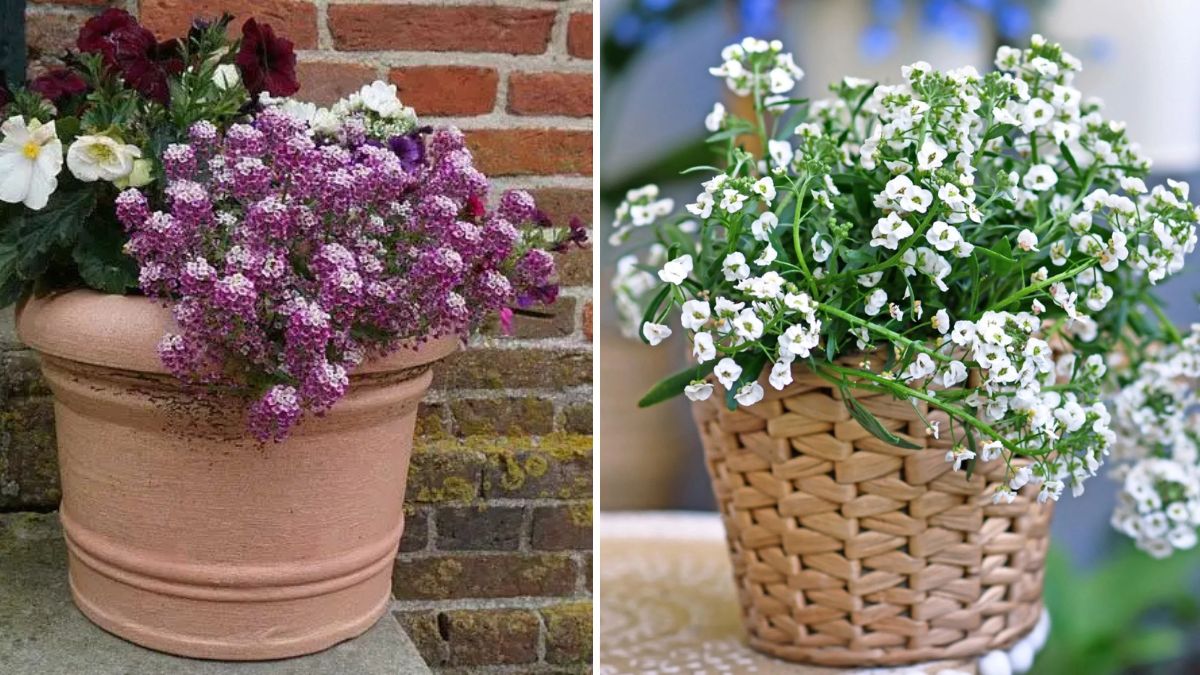
Alyssum, also known as Sweet Alyssum, is one of the most charming and fragrant flowering plants you can grow in your garden or balcony. Known for its delicate clusters of tiny flowers and heavenly fragrance, Alyssum is perfect for borders, hanging baskets, pots, and garden beds. It’s not only visually appealing but also attracts pollinators like bees and butterflies, making your garden lively and vibrant.
The best part? Alyssum is easy to grow from seeds, blooms quickly, and requires minimal care. In this guide, we’ll take you through the entire process—from seed to flower, including soil preparation, planting, watering, fertilizing, pruning, and harvesting seeds for future planting.
🌱 Why Grow Alyssum?
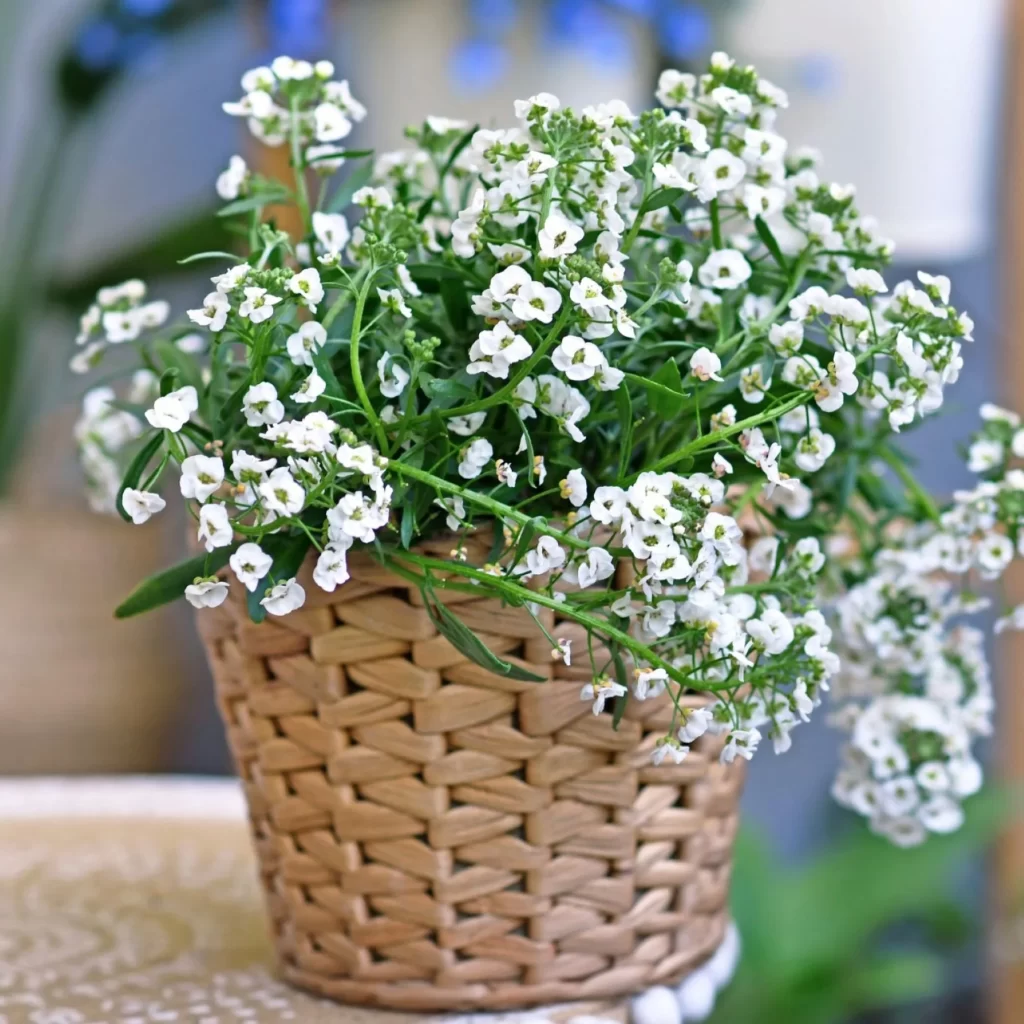
Before we dive into the process, let’s explore why Alyssum is a must-have in your garden:
- Beautiful fragrance: The sweet scent fills your garden, especially in the evenings.
- Continuous blooms: Once planted, Alyssum can flower throughout the season.
- Low maintenance: Thrives in various soil types with minimal care.
- Pollinator-friendly: Attracts bees, butterflies, and other beneficial insects.
- Versatile placement: Grows well in borders, pots, hanging baskets, or garden beds.
- Companion planting: Helps repel pests when planted alongside vegetables like tomatoes and cucumbers.
Whether you want a stunning balcony garden or a colorful garden bed, Alyssum is an ideal choice.
🌿 Step 1: Choosing the Right Alyssum Seeds
Alyssum comes in different varieties:
- Lobularia maritima: Common Sweet Alyssum, fragrant and low-growing.
- Alyssum saxatile: Rock cress, vibrant yellow blooms, slightly taller.
- Alyssum montanum: Mountain alyssum, hardy and drought-tolerant.
For beginners, Lobularia maritima is the easiest and most popular choice.
Tips for Seed Selection:
- Choose fresh seeds (less than 1 year old) for faster germination.
- Look for disease-free, plump seeds.
- Organic seeds often produce healthier plants.
🪴 Step 2: Preparing the Soil and Pots
Alyssum prefers well-draining soil with moderate fertility.
Best Soil Mix:
- 50% garden soil
- 30% compost or vermicompost
- 20% sand or cocopeat for drainage
pH preference: 6.0–7.5
Pot or Garden Bed:
- Small pots (6–8 inches) for balcony planting.
- Hanging baskets for cascading effect.
- Raised beds or garden borders for outdoor planting.
Ensure proper drainage to prevent root rot.
🌱 Step 3: Sowing Alyssum Seeds
Alyssum seeds are tiny, so handle them carefully.
Steps to Sow:
- Fill the pot or seed tray with prepared soil.
- Sprinkle seeds evenly on top.
- Lightly press seeds into the soil; do not cover them completely as they need light to germinate.
- Mist gently with water.
Germination Time:
- 7–14 days at temperatures of 15–21°C
- Keep soil moist, not soggy
Tip:
For uniform growth, sow seeds thinly or plan to thin seedlings after germination.
🌤 Step 4: Sunlight and Temperature Requirements
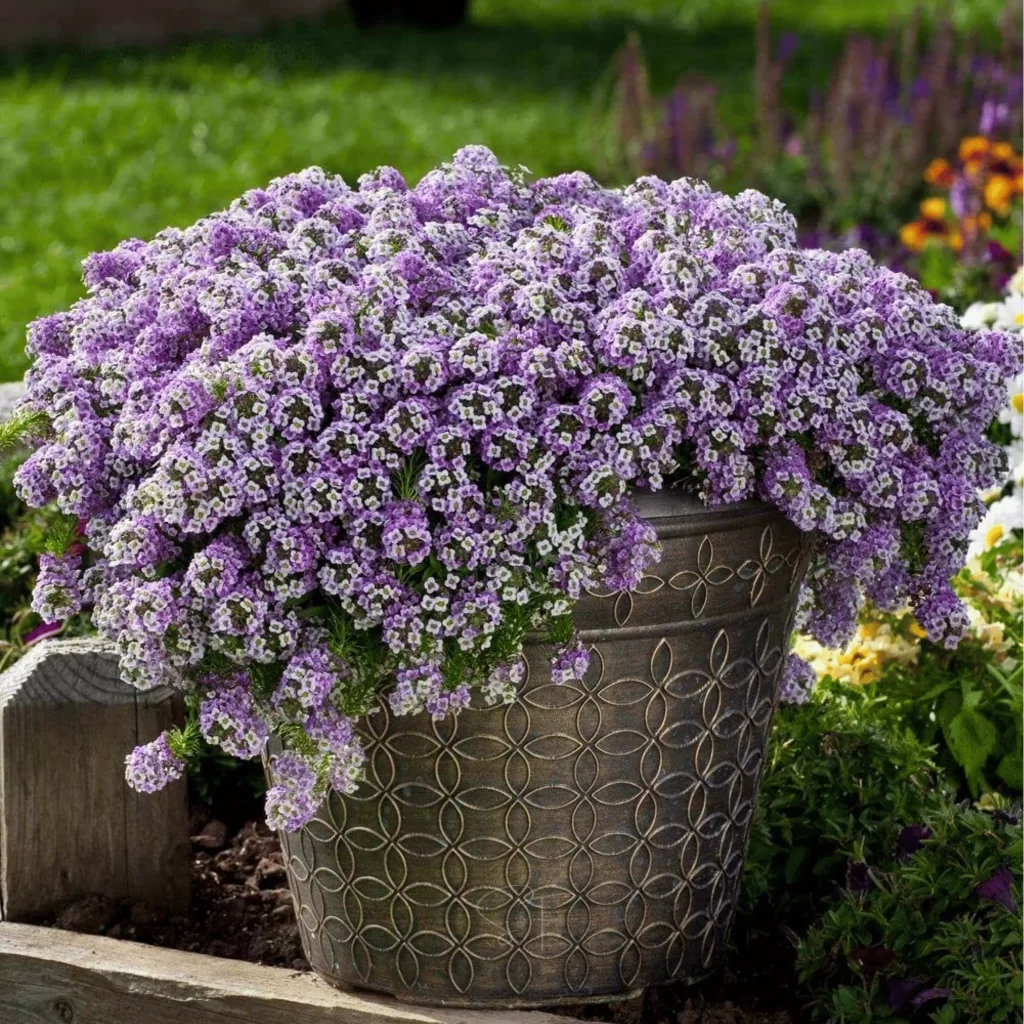
Alyssum thrives in cool to moderate temperatures.
- Sunlight: 4–6 hours of direct sunlight daily
- Partial shade: Works well in hot climates to prevent wilting
- Ideal temperature: 15–25°C
Too much heat may shorten blooming duration, while too little sunlight slows growth.
💧 Step 5: Watering Alyssum
Watering is crucial for healthy growth and continuous flowering.
Watering Guidelines:
- Keep soil consistently moist during germination.
- Once established, water 2–3 times per week depending on climate.
- Avoid overwatering; soggy soil can cause root rot.
- Mulch around the base of the plant to retain moisture and prevent weeds.
🧪 Step 6: Fertilizing for Continuous Blooms
Alyssum is a light feeder but benefits from occasional fertilization.
Fertilizer Options:
- Balanced liquid fertilizer (NPK 10:10:10) every 3–4 weeks
- Compost tea or vermicompost once a month
- Avoid excessive nitrogen as it encourages foliage growth at the expense of flowers
Healthy fertilized plants produce denser flower clusters and longer blooming periods.
✂️ Step 7: Pruning and Deadheading
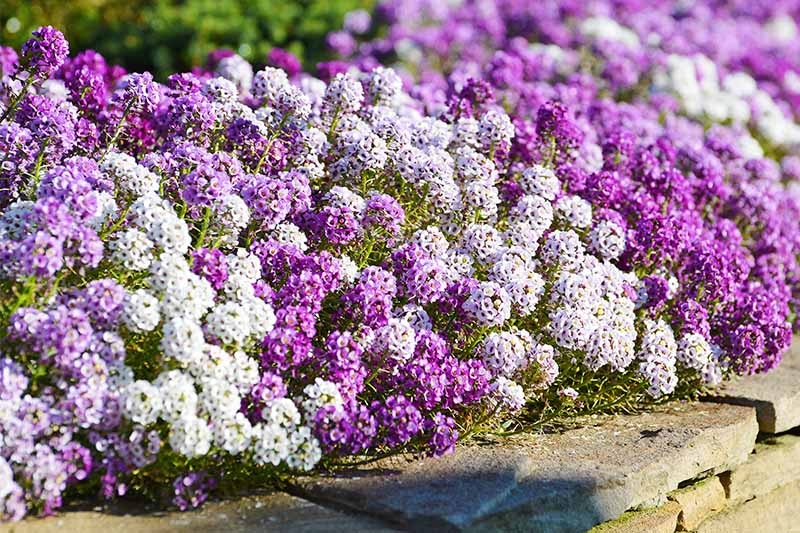
Regular pruning encourages bushy growth and more flowers.
Steps:
- Trim back overgrown stems after 4–6 weeks
- Remove faded flowers (deadheading) to stimulate new blooms
- Pinch young shoots for fuller plants
By maintaining proper pruning, Alyssum remains compact and vibrant throughout the season.
🌸 Step 8: Companion Planting and Garden Design
Alyssum works beautifully alongside other plants:
- Vegetables: Tomatoes, peppers, cucumbers
- Flowers: Petunias, pansies, marigolds
- Herbs: Basil, rosemary
Its low height and cascading growth make it perfect for borders, edges, and container combinations.
🐛 Step 9: Pest and Disease Management
Alyssum is generally pest-resistant, but watch out for:
- Aphids: Spray neem oil or soapy water
- Whiteflies: Neem oil or yellow sticky traps
- Fungal issues: Avoid waterlogging and ensure good airflow
Healthy soil and proper spacing prevent most problems.
🌿 Step 10: Flowering and Seed Collection
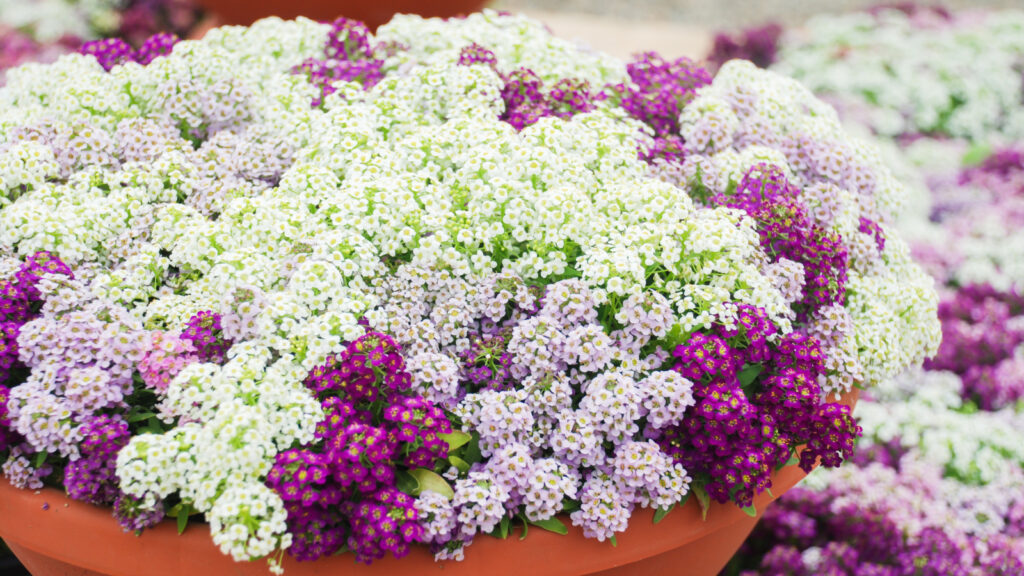
Alyssum blooms within 6–8 weeks from sowing and continues flowering for months.
Flowering Tips:
- Keep the plant well-watered and fertilized
- Deadhead regularly to prolong blooming
- Protect from extreme heat
Collecting Seeds:
- Allow some flowers to produce seeds
- Seeds appear in small pods after flowering
- Collect when pods dry and turn brown
- Store in a cool, dry place for future sowing
This ensures a continuous cycle of Alyssum plants every season.
🌱 Step 11: Seasonal Care and Tips
Summer:
- Water daily in hot climates
- Provide partial shade in afternoon sun
Winter:
- Protect from frost
- Water less frequently
Spring/Autumn:
- Ideal planting season
- Enjoy full flowering and fragrance
🌸 Step 12: Common Issues and Solutions
| Problem | Cause | Solution |
|---|---|---|
| Wilting | Drought or overwatering | Adjust watering schedule |
| Leggy growth | Lack of sunlight | Provide 4–6 hours of direct sunlight |
| Yellow leaves | Nutrient deficiency | Fertilize with compost or balanced fertilizer |
| Poor flowering | Excess nitrogen | Reduce nitrogen and deadhead faded blooms |
🌟 Step 13: Tips for a Stunning Alyssum Display
- Grow in clusters or cascading pots for maximum visual impact
- Mix with other flowers for a colorful border
- Keep soil moist but well-drained
- Fertilize lightly for continuous blooms
- Remove weeds regularly
- Pinch young stems to encourage bushy growth
With these simple steps, your Alyssum will become a fragrant carpet of tiny flowers.
🌿 Final Thoughts
Growing Alyssum from seed to flower is easy, rewarding, and ideal for beginner gardeners. This low-maintenance plant produces stunning floral displays, spreads delightful fragrance, and attracts pollinators to your garden. By following proper soil preparation, sunlight, watering, fertilization, and pruning, you can enjoy months of beautiful blooms in pots, garden beds, and hanging baskets.
Whether for your balcony, terrace, or backyard, Alyssum is the perfect plant to brighten your home and garden.