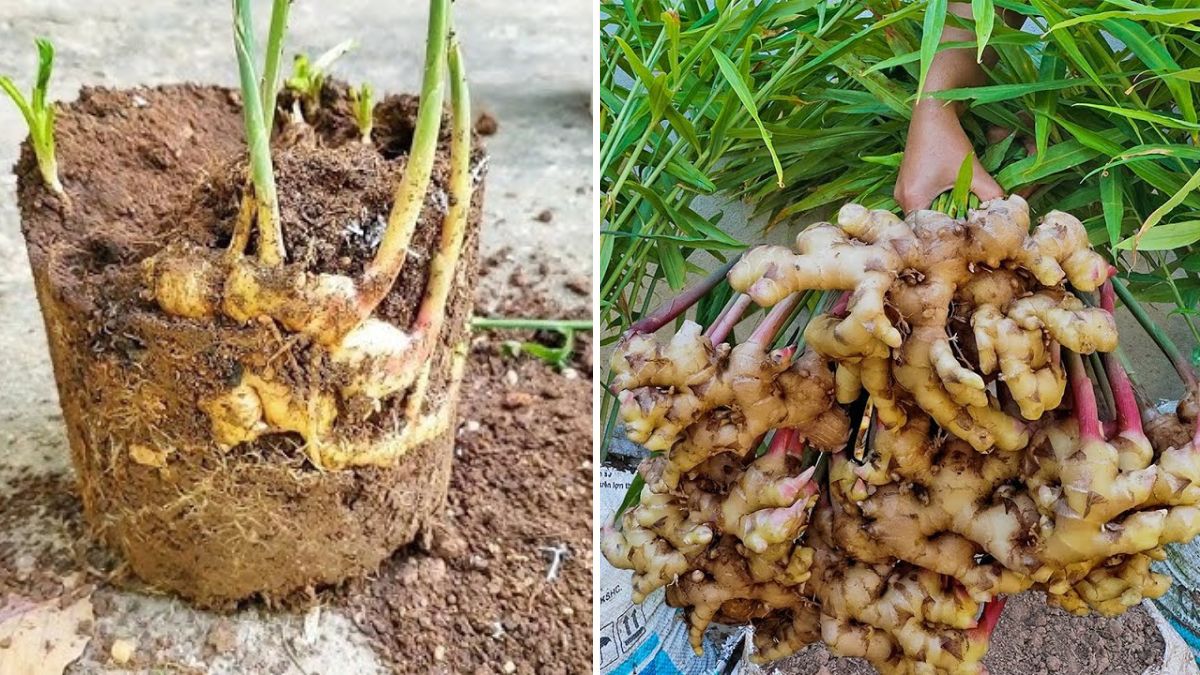
Ginger is one of the most rewarding plants you can grow at home—whether you’re gardening in a backyard, a balcony, or even a small windowside corner. This aromatic, flavour-packed rhizome is used daily in Indian kitchens, herbal teas, Ayurvedic remedies, and homemade kadhas. The best part? Ginger requires very little care, grows beautifully in pots, and gives you a generous harvest without much effort.
If you’ve ever wondered how to grow ginger the easiest way—from seed to harvest—this complete guide will walk you through every step in detail. By the end, you’ll be ready to grow fresh, pesticide-free ginger right at home.
Why Ginger Is the Easiest Plant to Grow
Before diving into the process, here’s why ginger is perfect for beginners:
- Grows in shade or indirect sunlight
- Low maintenance
- Pest-resistant
- Thrives in pots
- Grows even from store-bought ginger
- Needs no special soil or fertilizers
If you can water a plant twice a week, you can grow ginger successfully.
Step 1: Choosing the Right Ginger to Plant
Ginger grows from rhizomes—not seeds. These are the root-like pieces you buy in the market.
What to look for in planting ginger:
- Plump, firm rhizomes
- Visible eye buds (small nodes where shoots appear)
- Avoid wrinkled, dried, or soft pieces
- Choose organic ginger if possible
How to Prepare the Ginger
- Break the rhizome into small pieces—each piece with 1–2 eye buds.
- Let them dry for 24 hours to prevent rotting after planting.
- Optional: Soak rhizomes for 30 minutes in water to rehydrate before planting.
Step 2: Choosing the Right Pot & Soil
Best pot size for ginger
- Minimum 12–14 inches deep
- Wide container is more important than depth
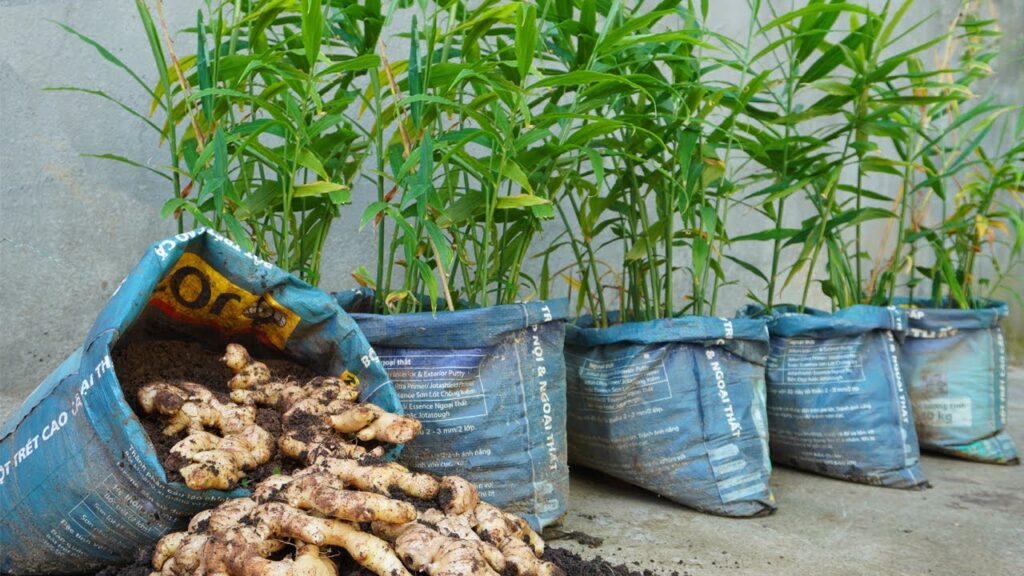
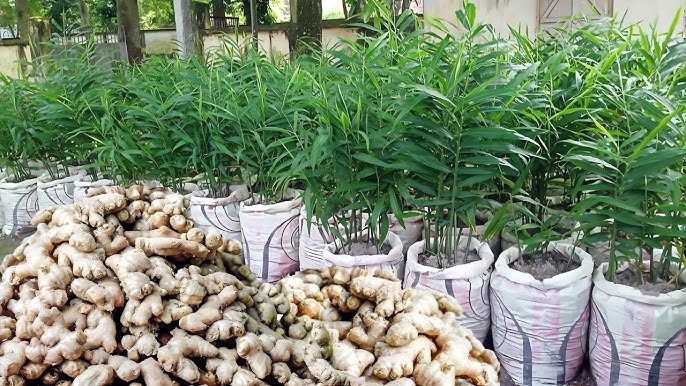
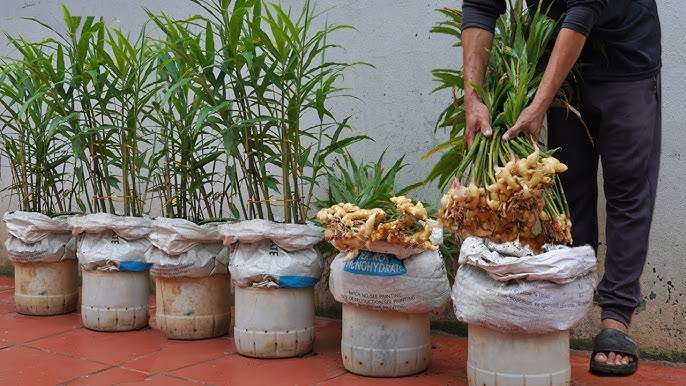
- Grow bags, buckets, tubs, or large pots all work great
Soil mix (perfect for ginger):
Ginger loves loose, airy soil.
Use this simple mix:
- 40% garden soil
- 40% compost/vermicompost
- 20% cocopeat or sand
Add a handful of neem cake powder if available—it prevents fungal issues and enriches the soil.
Step 3: Planting Ginger the Correct Way
- Fill the pot with the prepared soil mix.
- Place ginger pieces 2–3 inches deep, eye buds facing upward.
- Keep 4–5 inches spacing between two pieces.
- Cover gently with soil.
- Water lightly.
Important Tip:
Do NOT plant ginger in extremely hot summer.
The best time to plant ginger is:
- February to early June in India
- Or when temperatures are between 20–30°C
Step 4: Watering & Basic Care
Ginger likes moisture but not waterlogging.
Watering schedule:
- Water every 2–3 days in summer
- Once a week in winter
- Keep soil consistently moist, not soggy
Light requirement:
- Indirect sunlight or partial shade
- Avoid strong, direct afternoon sun
Place your pot where it gets morning or filtered light.
Step 5: Fertilizing for Healthy Growth
Ginger is a heavy feeder—it grows best when provided nutrients during the growing months.
Feed your ginger every 3–4 weeks with:
- Vermicompost
- Cow dung compost
- Banana peel fertilizer
- Seaweed extract (optional)
Mulch the soil with dry leaves or grass to retain moisture and encourage bigger rhizomes.
Step 6: Month-By-Month Growth Timeline
Month 1 – Germination
Small green shoots appear. Water lightly and keep the soil moist.
Month 2–3 – Leaf Growth
Leaves grow taller. Add compost once a month.
Month 4–5 – Rhizome Expansion
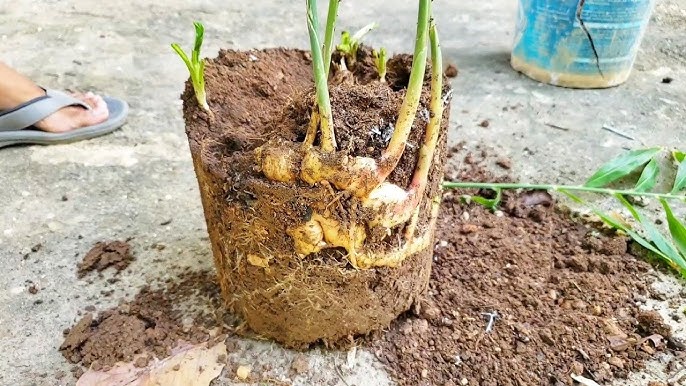
The plant becomes bushy. This is when ginger develops underground roots.
Month 6–8 – Maturity
Leaves start turning yellowish. Reduce watering.
Pests & Diseases (Rare but Easy to Manage)
Ginger is naturally pest-resistant.
Still, these simple remedies help:
- Aphids or mites: Spray neem oil weekly.
- Fungal rot: Ensure good drainage; do not overwater.
- Yellowing leaves early: Add compost or seaweed extract.
Harvesting Ginger the Right Way
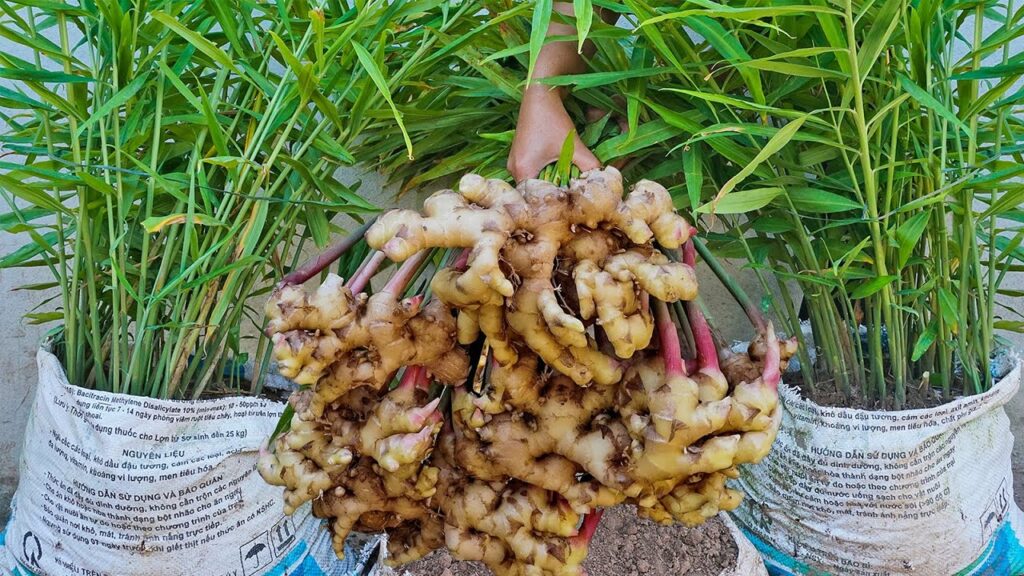
Ginger takes 8–10 months to mature fully.
Signs it’s ready to harvest:
- Leaves turn yellow
- Stems dry naturally
- Soil pulls back slightly from the plant base
How to harvest:
- Loosen the soil using your hand or a small fork.
- Carefully lift the plant from the soil.
- Break off the rhizomes you need.
- Replant some pieces if you want continuous ginger supply.
For baby ginger:
You can harvest as early as 4 months—soft, juicy, light-colored ginger.
How to Regrow Ginger Forever
Once you harvest ginger, you can keep replanting new pieces from your own harvest.
Steps:
- Choose fresh pieces with good buds.
- Prepare soil again.
- Plant as usual.
This gives you lifetime ginger—free and organic.
Bonus Tips for Bigger, Juicier Ginger
- Always keep soil moist—ginger loves humidity.
- Use wide containers for maximum rhizome growth.
- Do not move the pot repeatedly.
- Feed monthly with compost.
- Mulch to keep soil cool and moist.
- Plant in semi-shade, not full sun.
Final Thoughts
Growing ginger from seed (rhizome) to harvest is one of the simplest and most satisfying gardening experiences. You don’t need special tools, complicated soil mixes, or hours of daily care. Just plant a piece of ginger in moist soil, give it filtered light, and let nature do the rest.
Within months, you’ll have fresh, aromatic, pesticide-free ginger ready for cooking, tea, and health remedies. And if you keep replanting pieces from your harvest, you’ll enjoy an endless supply year after year.