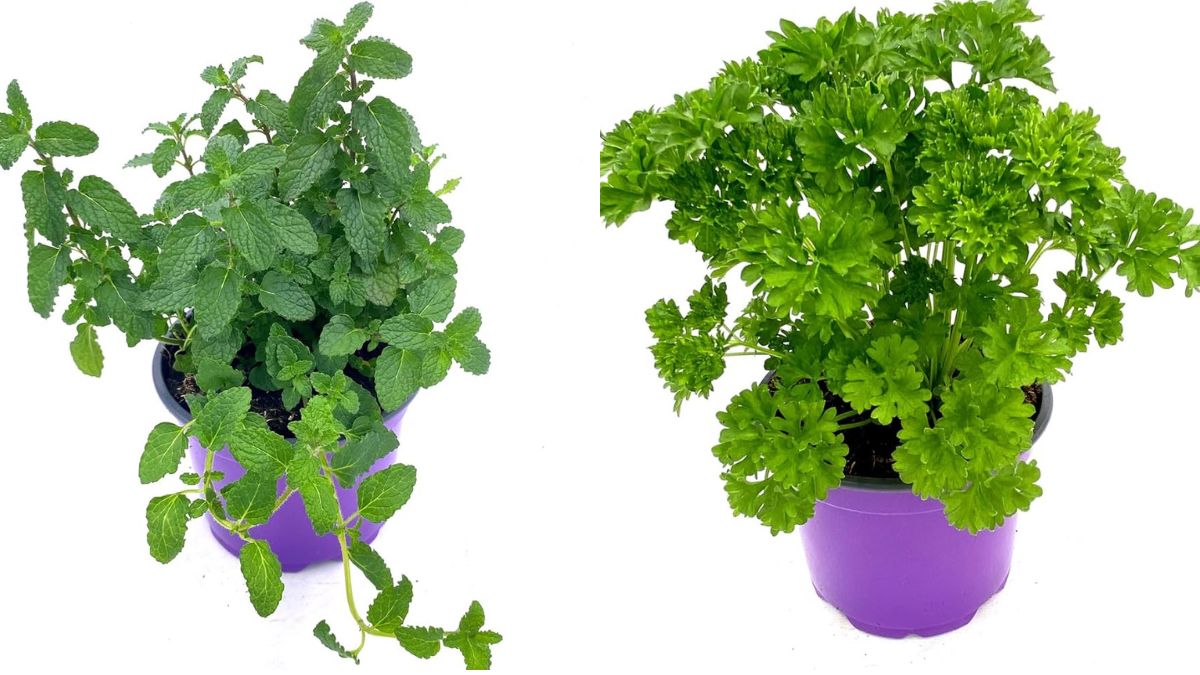
There’s nothing more satisfying than picking fresh herbs from your own garden or balcony. Not only do herbs enhance the flavor of your meals, but they also add freshness, aroma, and a touch of nature to your home. The good news? You don’t need a big backyard or years of gardening experience to start growing your own herbs.
Whether you’re a complete beginner or just looking to spice up your cooking with fresh ingredients, this guide will walk you through the top 5 easiest herbs to grow at home, from seed to harvest, with step-by-step tips for success.
Why Grow Your Own Herbs?
Growing your own herbs at home offers multiple benefits:
✔ Freshness and flavor
Nothing beats the taste and aroma of freshly harvested herbs.
✔ Cost-effective
A small investment in seeds or seedlings yields months of supply.
✔ Health benefits
Herbs like basil, mint, and rosemary are packed with antioxidants, vitamins, and minerals.
✔ Low-maintenance
Most herbs require minimal care and adapt well to containers or garden beds.
✔ Aesthetic value
Green, aromatic plants make your kitchen, balcony, or garden more inviting.
Herbs You Can Grow Easily at Home
Here are the top 5 herbs that are beginner-friendly, hardy, and versatile in cooking and home remedies:
- Basil
- Mint
- Coriander (Cilantro)
- Parsley
- Thyme
1. Basil (Ocimum basilicum)
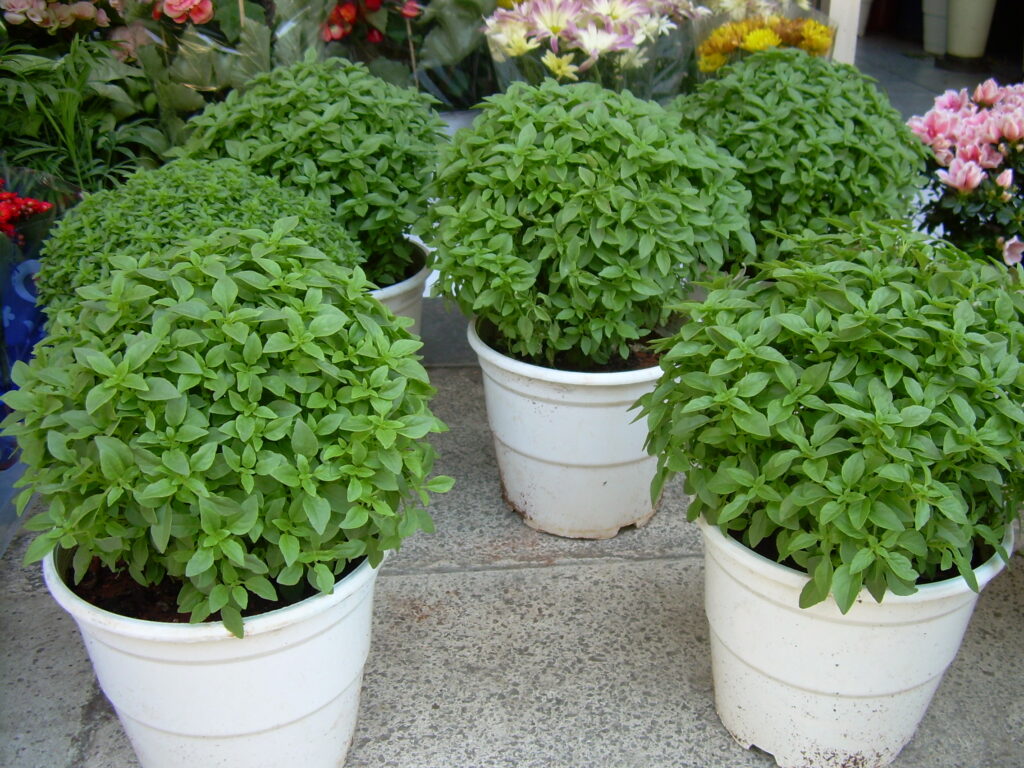
Basil is a fragrant, tender herb that’s widely used in salads, pasta, and sauces.
Planting Basil
- Seeds: Sow in seed trays or small pots with well-draining soil.
- Depth: Plant 0.5 cm deep.
- Germination: 5–10 days.
Care Tips
- Sunlight: 6–8 hours of direct sunlight.
- Watering: Keep soil moist but not soggy.
- Fertilizing: Use a light, balanced organic fertilizer every 2–3 weeks.
Harvesting
- Start harvesting when plants reach 15–20 cm in height.
- Pinch off leaves from the top to encourage bushy growth.
- Regular harvesting improves leaf production.
2. Mint (Mentha)
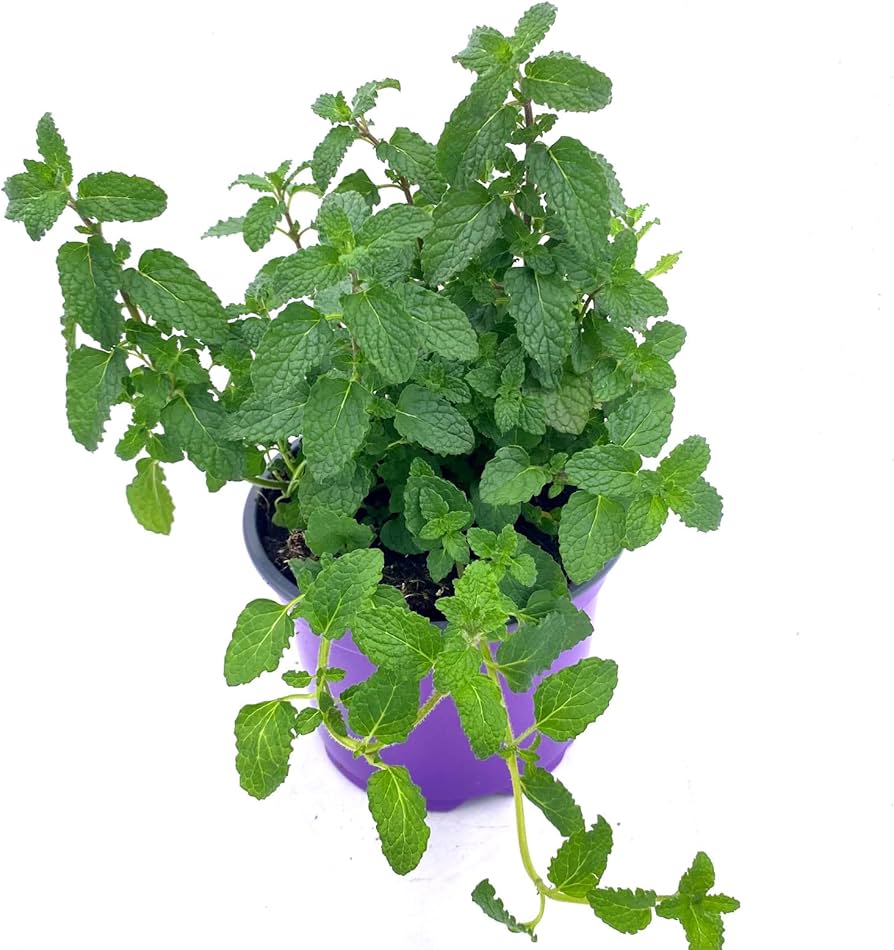
Mint is a hardy herb that grows rapidly and spreads easily. It’s perfect for tea, cocktails, and garnishing dishes.
Planting Mint
- Can be grown from seeds or cuttings. Cuttings often root faster.
- Use wide containers as mint spreads aggressively.
- Soil should be rich and well-draining.
Care Tips
- Sunlight: Partial sun to full sun.
- Watering: Keep soil consistently moist.
- Pruning: Regular trimming encourages fresh growth.
Harvesting
- Harvest leaves once the plant reaches 10–15 cm.
- Avoid cutting more than one-third of the plant at a time.
Mint is so hardy that it can thrive indoors or outdoors, making it ideal for beginners.
3. Coriander (Cilantro) (Coriandrum sativum)
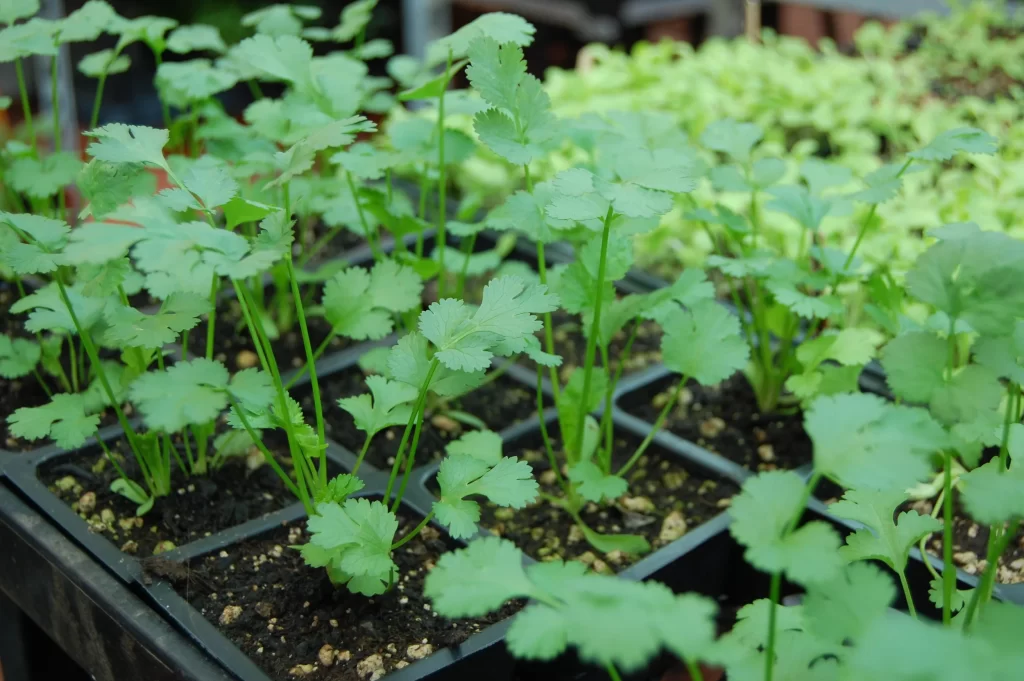
Coriander is a fast-growing herb used widely in cooking, from salads to curries. Both the leaves (cilantro) and seeds (coriander seeds) are edible.
Planting Coriander
- Sow seeds directly in pots or garden soil.
- Cover lightly with 0.5 cm of soil.
- Germination occurs in 7–10 days.
Care Tips
- Sunlight: 4–6 hours of sunlight daily.
- Watering: Keep soil moist but ensure good drainage.
- Fertilizing: Minimal fertilization needed; compost works well.
Harvesting
- Pick leaves when plants are 10–15 cm tall.
- Coriander bolts quickly in hot weather, so succession planting every 2–3 weeks ensures a steady supply.
4. Parsley (Petroselinum crispum)
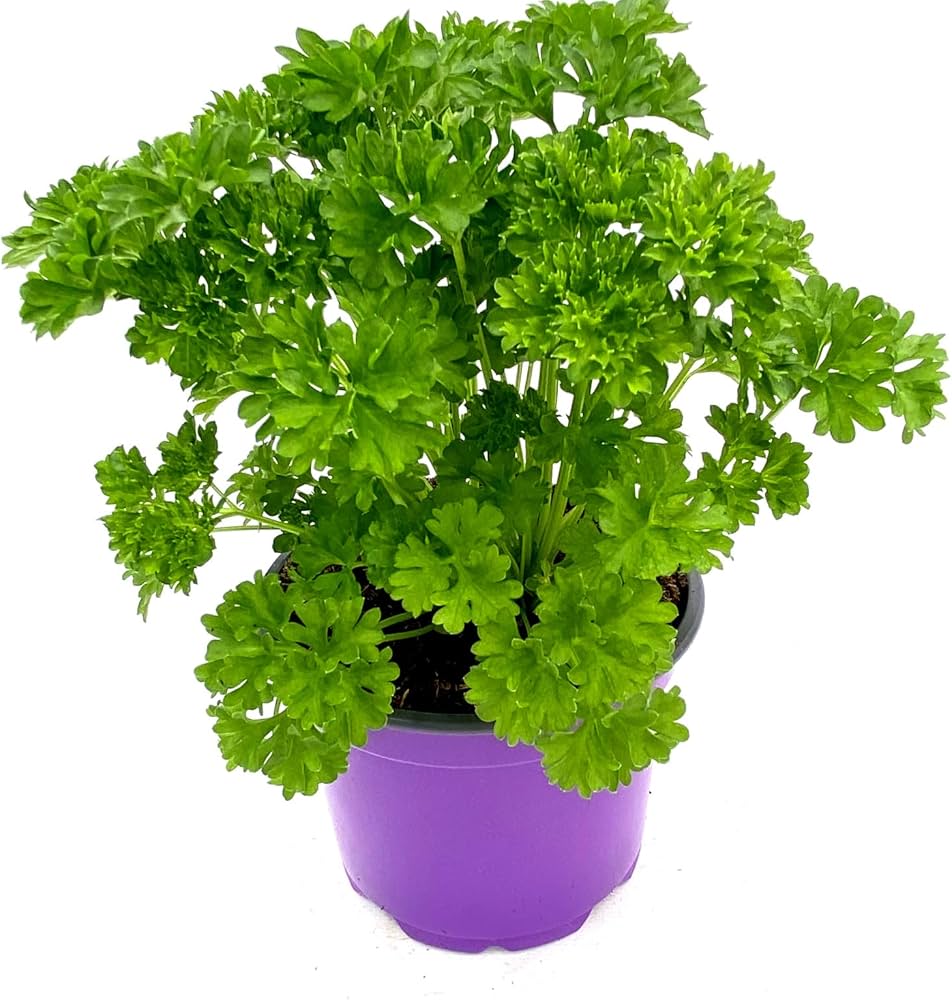
Parsley is a versatile herb that enhances flavor in soups, salads, and sauces. It’s a slow starter but thrives once established.
Planting Parsley
- Sow seeds 0.5–1 cm deep in a pot or garden bed.
- Keep soil moist until germination.
- Germination takes 2–3 weeks, so be patient.
Care Tips
- Sunlight: 4–6 hours of sunlight daily.
- Watering: Water regularly, keeping soil slightly moist.
- Fertilizing: Use compost or balanced organic fertilizer once a month.
Harvesting
- Harvest outer leaves first to allow inner growth.
- Regular harvesting promotes fresh, lush foliage.
5. Thyme (Thymus vulgaris)
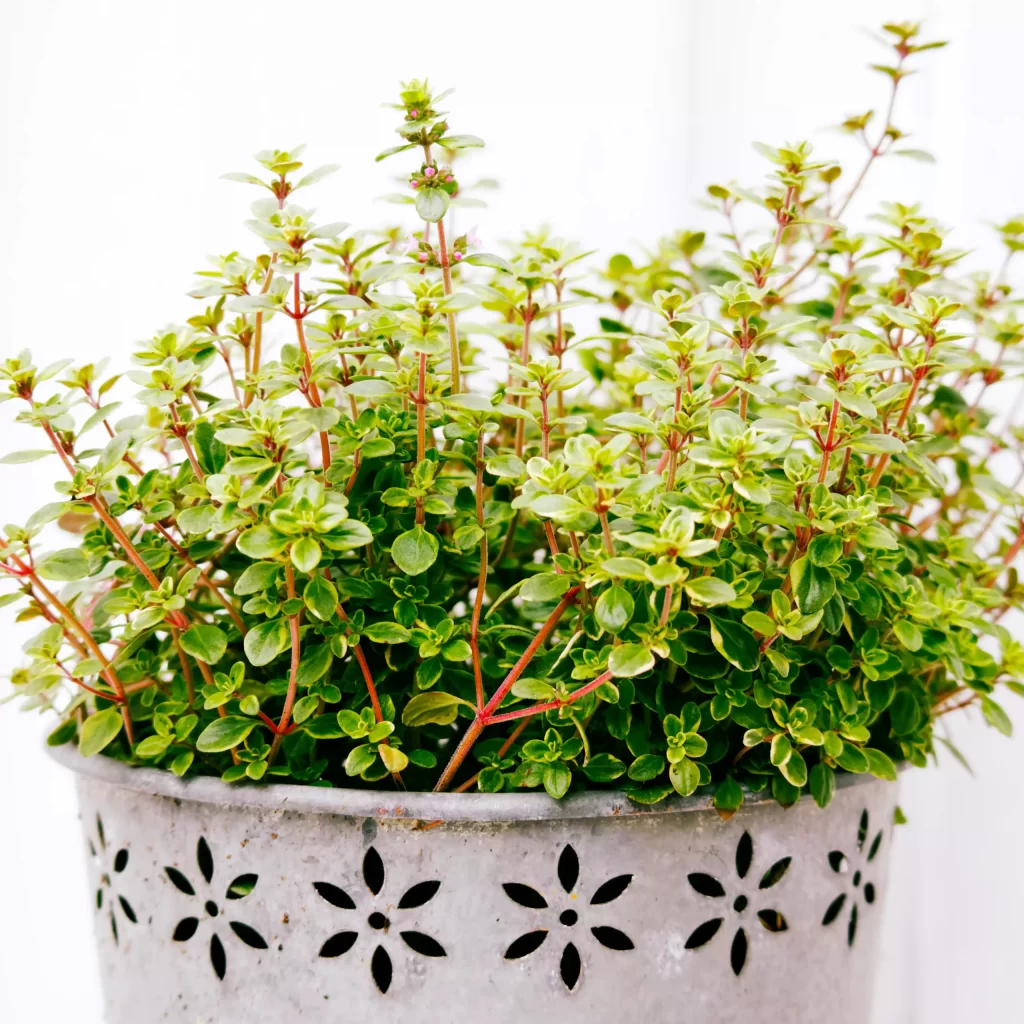
Thyme is a hardy, aromatic herb often used in soups, stews, and roasted dishes. It’s drought-tolerant and thrives in sunny locations.
Planting Thyme
- Sow seeds or plant cuttings in well-draining soil.
- Seeds can take 14–28 days to germinate.
Care Tips
- Sunlight: 6–8 hours of direct sunlight.
- Watering: Allow soil to dry between waterings.
- Pruning: Trim frequently to encourage bushy growth.
Harvesting
- Cut stems just above the leaf nodes.
- Harvest before flowering for the best flavor.
General Tips for Growing Herbs Successfully
1. Container Gardening
- Most herbs grow well in pots, planters, or grow bags.
- Ensure proper drainage to prevent root rot.
2. Sunlight
- Most herbs need at least 4–6 hours of sunlight.
- For indoor gardening, place herbs near a sunny window or use grow lights.
3. Watering
- Avoid overwatering; most herbs prefer slightly moist soil.
- Use a spray bottle for delicate seedlings.
4. Fertilization
- Organic compost or liquid fertilizers work best.
- Avoid heavy chemical fertilizers for a better taste and aroma.
5. Pruning
- Regular trimming encourages bushy growth and prevents legginess.
- Harvest leaves frequently to enjoy fresh herbs continuously.
6. Pest Management
- Common pests: aphids, whiteflies, and spider mites.
- Natural solutions: neem oil, garlic spray, or insecticidal soap.
Harvesting Herbs – Seed to Table
The beauty of growing herbs at home is the quick reward cycle. Depending on the herb:
- Basil: 3–4 weeks from seed to first harvest
- Mint: 4–6 weeks
- Coriander: 3–4 weeks
- Parsley: 6–8 weeks
- Thyme: 8–10 weeks
By following proper care, you can enjoy a continuous supply of fresh herbs for cooking, garnishing, and even making herbal teas.
Bonus Tips for Beginners
- Start small: Begin with 2–3 herbs and expand gradually.
- Label your plants: Especially if you grow multiple varieties.
- Rotate crops: Succession planting ensures a steady supply.
- Use clean tools: Prevent disease and contamination.
- Experiment: Try different varieties like lemon basil, chocolate mint, or flat-leaf parsley.
Conclusion: Your Herb Garden Journey Begins Now
Growing herbs at home is simple, fun, and highly rewarding. With minimal space and care, even beginners can enjoy fresh, aromatic herbs right from their kitchen, balcony, or garden.
Starting with basil, mint, coriander, parsley, and thyme, you’ll gain confidence in gardening and reap the benefits of healthier, tastier meals. The journey from seed to harvest teaches patience, consistency, and the joy of nurturing life—a truly satisfying experience for anyone who loves cooking, nature, or both.
So grab some seeds, pots, and soil, and start your herb-growing adventure today. Within a few weeks, you’ll be harvesting fresh, flavorful herbs to elevate every dish you make.