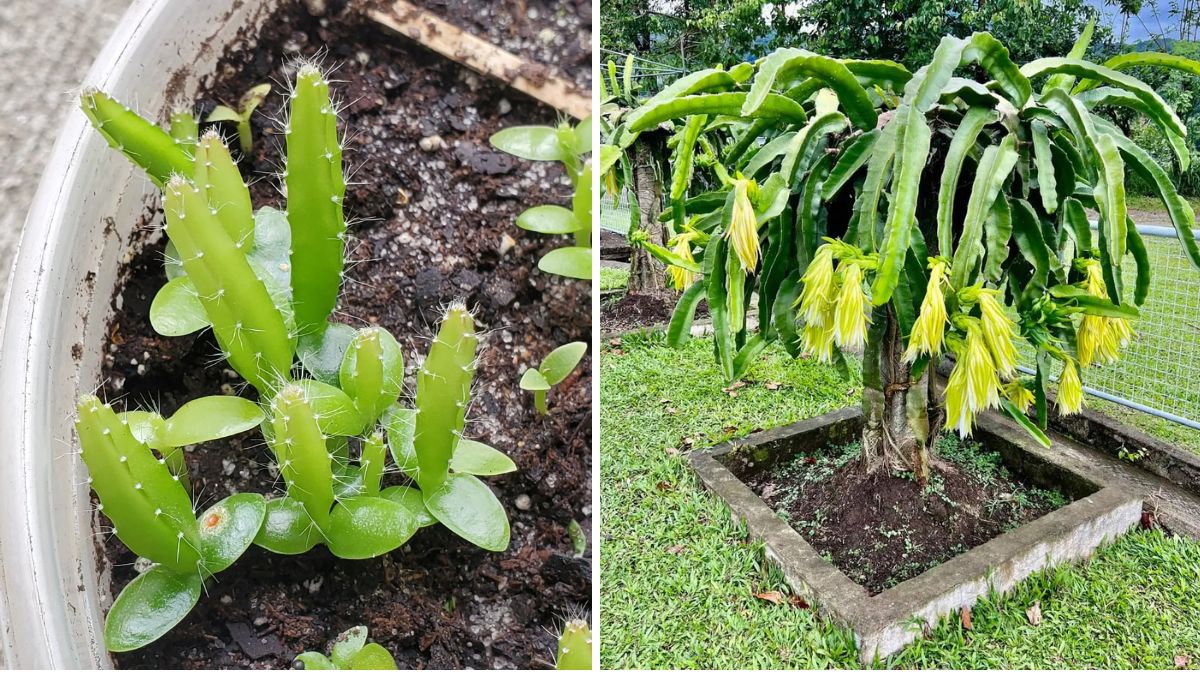
Dragon fruit, also known as pitaya, is a tropical wonder—vibrant pink or yellow skin, speckled with tiny black seeds, and a sweet, refreshing taste that makes it a favorite for smoothies, salads, and desserts. But did you know you can grow this exotic fruit right at home from seeds? From planting seeds to harvesting your first fruit, this step-by-step guide will help even beginners successfully grow dragon fruit at home.
Growing dragon fruit may sound complicated, but it’s actually quite simple with the right technique, patience, and care. Let’s take you on the journey from tiny seeds to succulent fruit.
Why Grow Dragon Fruit at Home?
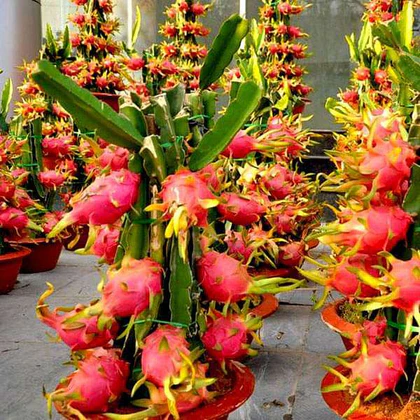
Dragon fruit isn’t just stunningly beautiful—it’s also a powerhouse of nutrients, containing vitamin C, fiber, antioxidants, and essential minerals. Here’s why growing dragon fruit at home is worth it:
✔ Unique and exotic plant for your garden or balcony
✔ Fresh, organic fruit without chemicals
✔ Fun and educational for beginners and kids
✔ Low-maintenance once established
✔ Fruit production year after year with proper care
Even if you live in a city apartment, dragon fruit can thrive in pots, planters, or on trellises indoors or on balconies.
Understanding Dragon Fruit Plants
Dragon fruit belongs to the cactus family, which means it’s a succulent and stores water in its stems. Understanding its growth habits will help you cultivate it successfully.
Botanical name: Hylocereus undatus (common pink variety)
Growth type: Climbing cactus
Maturity: 6–12 months to flowering from seed; fruiting may take 12–24 months
Sunlight: 6–8 hours of direct sunlight daily
Watering: Moderate, allowing soil to dry slightly between watering
Climate: Warm tropical or subtropical; can survive light frost if indoors
Dragon fruit grows as climbing stems, so providing a trellis or support is essential.
Materials Needed to Grow Dragon Fruit from Seeds
You don’t need expensive equipment. Here’s what you need to get started:
- Dragon fruit seeds (from a fresh fruit or purchased online)
- Seedling tray or small pots
- Well-draining soil (mix of garden soil, sand, and compost)
- Compost or organic fertilizer
- Trellis, stakes, or a support structure
- Watering can or spray bottle
With these simple items, you can begin your dragon fruit journey at minimal cost.
Step 1: Extracting and Preparing Dragon Fruit Seeds
If using seeds from fresh fruit:
- Cut the fruit in half.
- Scoop out the flesh with a spoon.
- Place the flesh in a fine mesh strainer and rinse with water to remove pulp.
- Spread seeds on a paper towel and let them dry for 24 hours.
Alternatively, you can buy high-quality seeds online or from a nursery.
Step 2: Sowing the Seeds
Dragon fruit seeds germinate easily with proper care.
How to sow seeds:
- Fill a seed tray or small pot with a well-draining soil mix: 50% garden soil + 30% sand + 20% compost.
- Sprinkle seeds evenly on the soil surface.
- Cover lightly with a thin layer of soil or vermiculite (0.5 cm).
- Mist the soil gently with water using a spray bottle.
- Cover the tray with plastic wrap to maintain humidity.
- Place the tray in a warm, sunny spot.
Germination timeline: 1–4 weeks
Keep the soil moist but not waterlogged during germination.
Step 3: Caring for Seedlings
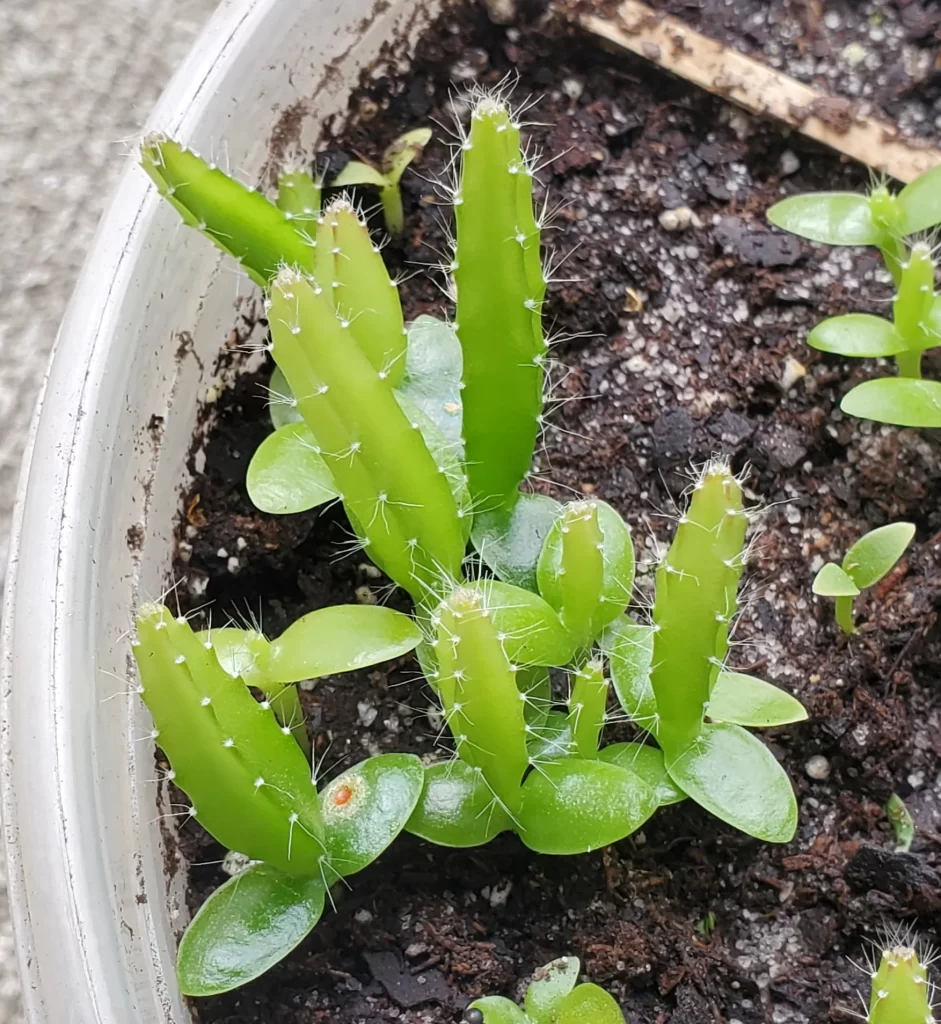
Once seedlings emerge:
1. Light
- Provide 4–6 hours of sunlight daily.
- Gradually move them to full sunlight over 1–2 weeks.
2. Watering
- Water every 2–3 days, ensuring soil is moist but not soggy.
- Avoid overhead watering to prevent stem rot.
3. Fertilizing
- Once seedlings have 2–3 true leaves, apply diluted liquid fertilizer or compost tea once every 2 weeks.
4. Transplanting
- When seedlings reach 10–15 cm tall, transplant them into larger pots (6–10 inches) with a well-draining cactus mix.
Step 4: Supporting Dragon Fruit Plants
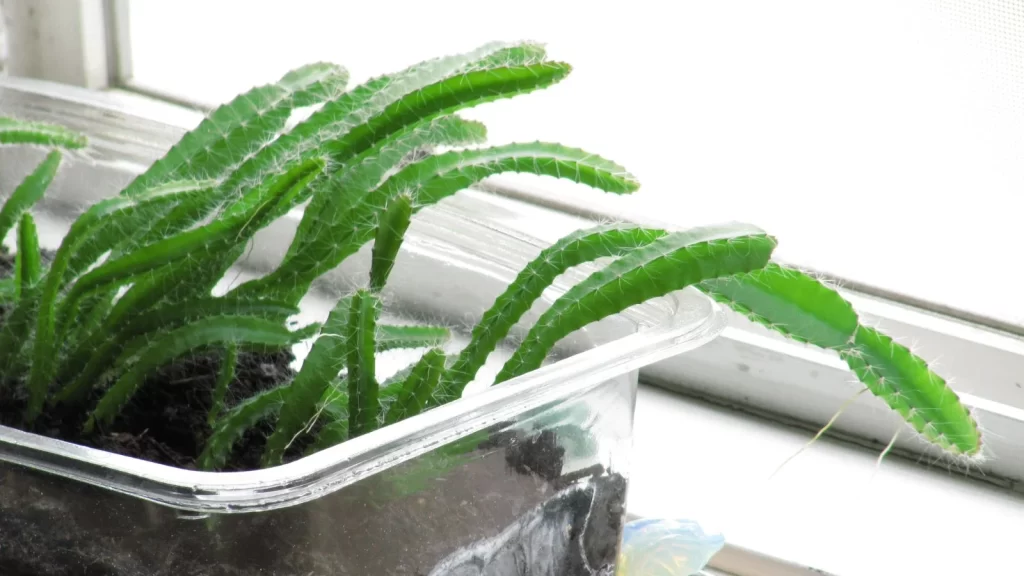
Dragon fruit is a climbing cactus, so providing support is crucial.
Support options:
- Bamboo stakes
- Wooden or metal trellis
- Concrete or wooden posts
Tie young stems gently with soft string as they grow. This encourages upright growth and prevents breakage.
Step 5: Ongoing Care for Growth
Dragon fruit is hardy but requires some attention for optimal growth.
Sunlight
- 6–8 hours of direct sunlight daily.
- If growing indoors, supplement with grow lights.
Watering
- Water deeply every 7–10 days, depending on climate.
- Allow soil to dry slightly between watering.
Fertilizing
- Apply balanced organic fertilizer (NPK 10:10:10) monthly.
- During flowering and fruiting, switch to high-phosphorus fertilizer to encourage blooms.
Pruning
- Remove weak or damaged stems to improve air circulation.
- Pinch growing tips to promote branching and more flowering sites.
Step 6: Flowering Stage
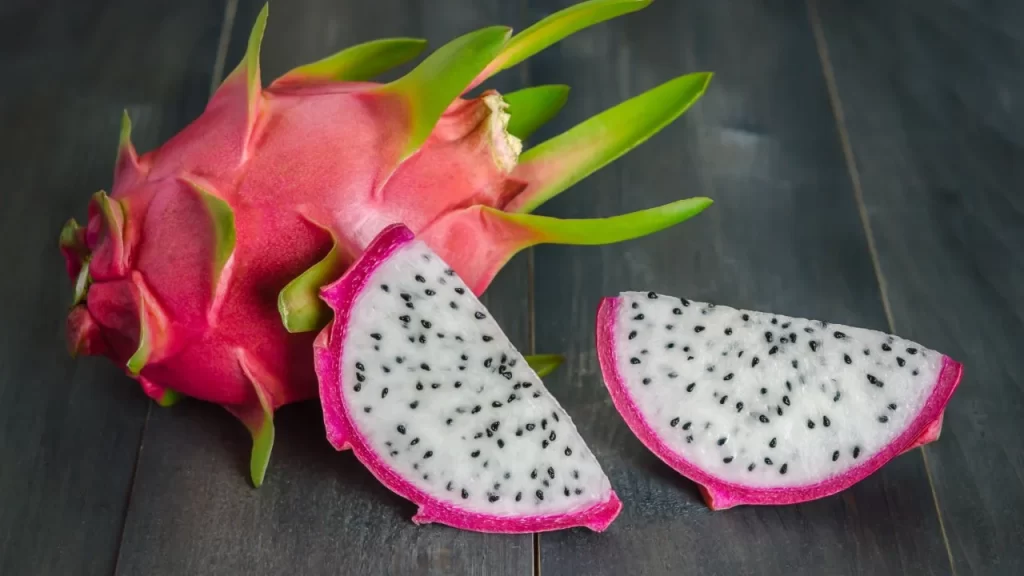
Dragon fruit typically flowers 6–12 months after sowing.
Flower characteristics:
- Large, white, and fragrant
- Bloom at night (pollinated by bats or moths outdoors; hand pollination indoors)
Pollination tip for indoor plants:
- Use a soft brush or cotton swab to transfer pollen from stamen to stigma.
- Hand pollination significantly increases fruit set.
Step 7: Fruit Formation
After successful pollination, fruits begin forming within 30–50 days.
Fruit growth tips:
- Keep the soil slightly moist
- Provide support to heavy stems to prevent breakage
- Avoid excessive fertilizer, which can reduce fruit quality
Fruits will ripen in 30–50 days, turning pink, red, or yellow depending on variety.
Step 8: Harvesting Dragon Fruit
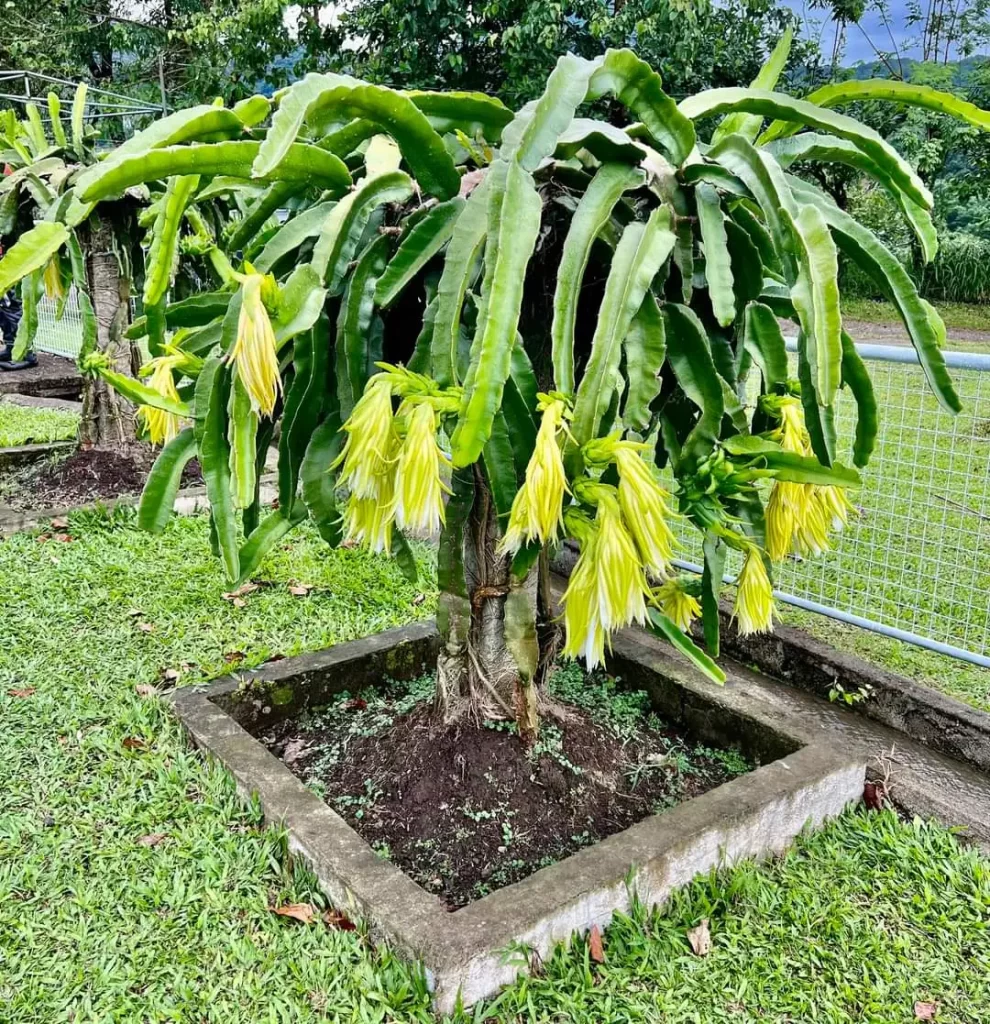
Harvesting is easy when you know the signs.
When to harvest:
- Fruit color turns bright pink, red, or yellow
- Slightly soft to touch
- Tips of scales begin to dry
How to harvest:
- Use scissors or garden shears to cut fruit from the stem
- Avoid pulling, as it can damage the plant
Common Problems & Solutions
1. Stem Rot
- Cause: Overwatering
- Solution: Reduce watering, ensure well-draining soil
2. Flowers Dropping
- Cause: Poor pollination or excessive heat
- Solution: Hand-pollinate, provide partial shade in extreme heat
3. Pests
- Common pests: Aphids, mealybugs
- Solution: Neem oil spray every 10–15 days
4. Slow Growth
- Cause: Low sunlight or nutrient deficiency
- Solution: Increase sunlight, add balanced fertilizer
Tips for 100% Success
✔ Start with healthy seeds
✔ Provide sturdy support for climbing stems
✔ Ensure bright sunlight daily
✔ Water moderately, avoid waterlogging
✔ Fertilize monthly with organic nutrients
✔ Hand-pollinate indoor flowers
✔ Prune regularly to encourage branching
Final Thoughts: Enjoy Exotic Dragon Fruit at Home
Growing dragon fruit from seeds is not only exciting and rewarding but also allows you to enjoy one of the most exotic fruits in your own home. Although fruiting takes patience (12–24 months), the joy of harvesting and tasting your very own dragon fruit is unmatched.
With simple steps, minimal supplies, and consistent care, anyone—even a beginner—can grow dragon fruit indoors or in a balcony garden. Start small, provide support, and watch your tiny seeds transform into a vibrant, fruit-bearing plant that will impress family, friends, and your taste buds alike.